null G-5DLXE7JB0V

Your Cart

Your cart is empty

Continue shopping
Skip to main content
The “WHEY” to Healthy Aging -- “Feed” your endurance, naturally

Posted by -Beyond Health on Nov 3rd 2025

The “WHEY” to Healthy Aging -- “Feed” your endurance, naturally

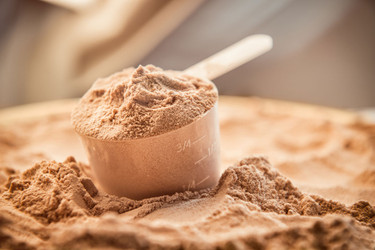
Whey Protein: Not Just for Muscles—But for Immunity, Longevity, and Healthy Aging Much has been written about whey protein as a recovery tool for athletes, bodybuilders, and gym enthusiasts. But whey’s true value extends far beyond muscle repair. Emerging research highlights whey protein as a powerful ally for immune resilience, metabolic health, and healthy aging—benefits that matter to everyone, not just those lifting weights. Is Whey “Dairy”? Clearing Up a Common Misunderstanding Resistance to whey protein often comes from individuals who are allergic or sensitive to dairy. What’s not widely understood is that whey protein is not the same as dairy. Milk contains two primary proteins: Casein (≈80%) Whey (≈20%) Whey exists in the liquid portion of milk. During cheese production, the solid curds become cheese, while the liquid whey separates. (That liquid you sometimes see floating on top of yogurt? That’s whey.) Historically…

read more
Why Your Heart Needs Vitamin E

Nov 3rd 2025

Why Your Heart Needs Vitamin E

February is Heart Month, and an absolutely critical nutrient for the heart and cardiovascular system is vitamin E. When experimental animals are deprived of vitamin E, they die of heart disease. The two principle roles vitamin E plays in heart health are as an antithrombin, preventing clots inside blood vessels, and as an antioxidant, preventing lipid peroxidation, or oxidation of fats. While vitamin C is our body’s major water-soluble antioxidant, vitamin E is its major fat-soluble antioxidant. Maintaining healthy arteries, free of plaque, is key to maintaining a healthy heart. Plaque forms when cholesterol (low-density lipoprotein or LDL), which is a type of fat, becomes oxidized. Vitamin E plays an essential role in protecting LDL from such oxidation. Cell membranes are composed primarily of fats. As we age our cell membranes tend to become stiffer, primarily due to oxidation. The blood cells themselves become thicker, which increases blood viscosity and impedes circulation…

read more
Why Your Heart Needs Vitamin E

Nov 3rd 2025

Why Your Heart Needs Vitamin E

An absolutely critical nutrient for the heart and cardiovascular system is vitamin E. When experimental animals are deprived of vitamin E, they die of heart disease. The two principle roles vitamin E plays in heart health are as an antithrombin, preventing clots inside blood vessels, and as an antioxidant, preventing lipid peroxidation, or oxidation of fats. While vitamin C is our body’s major water-soluble antioxidant, vitamin E is its major fat-soluble antioxidant. Maintaining healthy arteries, free of plaque, is key to maintaining a healthy heart. Plaque forms when cholesterol (low-density lipoprotein or LDL), which is a type of fat, becomes oxidized. Vitamin E plays an essential role in protecting LDL from such oxidation. Cell membranes are composed primarily of fats. As we age our cell membranes tend to become stiffer, primarily due to oxidation. The blood cells themselves become thicker, which increases blood viscosity and impedes circulation. Vitamin E helps blood cell…

read more
30 Years of Compelling Science Documents Curcumin’s Remarkable Health-Promoting Abilities

Nov 3rd 2025

30 Years of Compelling Science Documents Curcumin’s Remarkable Health-Promoting Abilities

Researched extensively since the 1990s, more than 120 clinical trials and thousands of research papers have focused on curcumin’s remarkable health benefits. What is curcumin?  Curcumin is the principal active ingredient of turmeric, the spice that gives Indian curries their golden color. In India, turmeric is revered as “holy powder,” and it has played a major role in traditional Ayurvedic (Indian) medicine for centuries. Curcumin is now being studied in search of possible remedies for some of the major epidemics of our time. Curcumin beneficially affects the expression of more than 700 genes and influences numerous biochemical pathways at the same time. Its unique and powerful antioxidant and anti-inflammatory effects make it extraordinarily beneficial for every system in the body.  Arthritis and any other "itis."  If you've got any of the "itis" diseases, your symptoms are caused by chronic inflammation. Studies have shown that curc…

read more

Categories

Tags

Disclaimer

Information contained in NewsClips articles should not be construed as personal medical advice or instruction. These statements have not been evaluated by the Food and Drug Administration. Products are not intended to diagnose, treat, cure or prevent any disease.