Sugary Drinks and Your Health: What New Research Says About Stomach Cancer Risk
GI and Hepatology News - More than one sugary drink a day tied to double gastric cancer risk
A soda with lunch. A sweetened energy drink in the afternoon. A sports drink after a workout.
For many people, sugar-sweetened beverages are part of the daily routine. New research is giving us another reason to pay attention to how often we consume them.
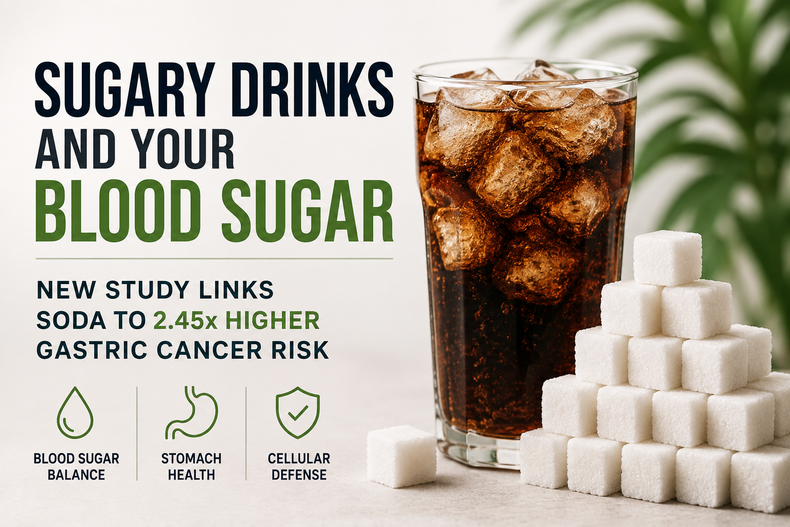
A large study published in Gastro Hep Advances examined the relationship between sugar-sweetened beverage consumption and gastric, or stomach, cancer.
The findings were significant. People who consumed more than one sugar-sweetened beverage per day had a substantially higher risk of developing gastric cancer compared with people who consumed less than one per month.
That does not mean drinking soda causes stomach cancer.
The study was observational, which means researchers identified an association. They did not prove that sugar-sweetened beverages directly caused cancer.
Still, the findings add to the growing reasons to take daily added-sugar consumption seriously.
What Did the New Sugary Drink Study Find?
Researchers analyzed data from 112,284 adults participating in two long-running U.S. studies, the Nurses' Health Study and the Health Professionals Follow-Up Study.
Over the follow-up period, researchers documented 278 cases of gastric adenocarcinoma.
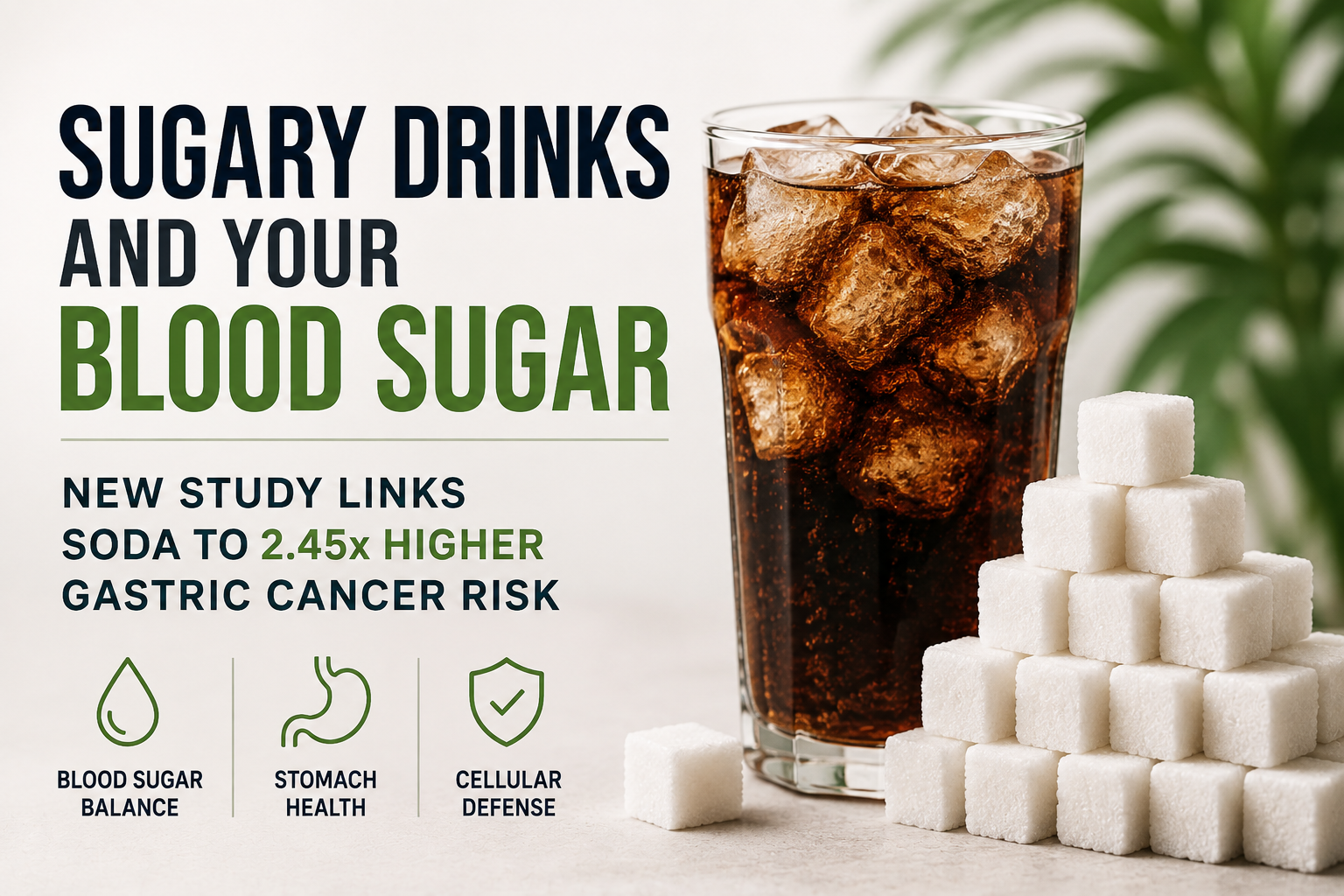
Compared with people consuming less than one sugar-sweetened beverage per month, those drinking more than one 8-ounce serving per day had 2.45 times the risk of developing gastric cancer after researchers accounted for other potential risk factors.
Researchers also found an association between greater total fructose intake and gastric cancer incidence.
Interestingly, artificially sweetened beverages were not associated with increased gastric cancer risk in this particular study.
More research is needed to confirm these findings and understand what may be driving the association.
Do Sugary Drinks Cause Stomach Cancer?
The study does not prove that sugary drinks cause stomach cancer.
This distinction matters.
Observational research can identify patterns between behaviors and health outcomes, but it cannot establish cause and effect by itself.
Researchers proposed several possible explanations that warrant further study, including metabolic dysfunction, insulin resistance, inflammation, weight gain, changes in hormone signaling, oxidative damage, and changes in the gut microbiome.
The findings should therefore be viewed as another reason to examine frequent sugar-sweetened beverage consumption, rather than proof that an occasional soda causes cancer.
What Counts as a Sugar-Sweetened Beverage?
Sugar-sweetened beverages can include:
-
Regular soda
-
Lemonade
-
Fruit punch
-
Sweetened sports drinks
-
Sweetened energy drinks
-
Other beverages containing significant amounts of added sugar
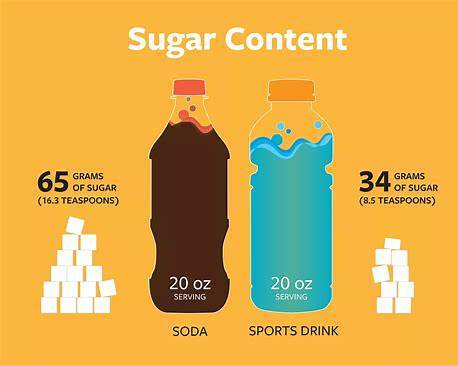
One reason these drinks deserve attention is how quickly they can deliver a large amount of sugar.
A 12-ounce can of Coca-Cola, for example, contains 39 grams of added sugar.
Unlike whole fruit, sugary beverages generally contain little or no fiber to slow digestion.
That makes it easy to consume a substantial amount of sugar quickly without experiencing the fullness you might get from eating whole foods.

Fast Facts: Sugar-Sweetened Beverage Consumption | Nutrition | CDC
Why Are Researchers Looking at Fructose?
Fructose is a simple sugar naturally present in fruits and some other foods. It is also consumed as part of added sugars found in many processed foods and beverages.
The new study found that greater total fructose intake was associated with greater gastric cancer incidence.
That does not mean fruit should be treated the same way as soda.
Whole fruits provide fiber, vitamins, minerals, antioxidants, and phytonutrients along with naturally occurring sugars. Fiber also changes how quickly carbohydrates are digested and absorbed.
A sugar-sweetened beverage provides a very different nutritional package.
The bigger issue is therefore your overall dietary pattern and how frequently you're consuming concentrated sources of added sugar.
How Do Sugary Drinks Affect Blood Sugar?
How Blood Sugar Affects Your Health (Even If You Don't Have Diabetes) - Beyond Health
Cancer risk is only one reason researchers are interested in sugar-sweetened beverages.
These drinks can also have a significant effect on blood glucose.
When carbohydrates are digested, glucose enters your bloodstream. Your pancreas responds by releasing insulin, which helps move glucose from your bloodstream into your cells.
Your cells can then use that glucose to produce energy.
This process is normal.
The problem is that beverages containing large amounts of rapidly absorbed sugar can deliver a substantial carbohydrate load very quickly.
Repeatedly consuming large amounts of added sugar can place greater demands on the body's normal glucose-regulation systems.
That is why healthy blood sugar matters even for people who do not have diabetes.
For a deeper explanation of how blood glucose affects energy, metabolism, and cellular function, read our guide, How Blood Sugar Affects Your Health, Even If You Don't Have Diabetes.
Start With What You Drink
If you want to reduce added sugar, your drinks are one of the easiest places to start.
Look at what you drink during an average week.
How often are you consuming:
-
Soda?
-
Sweet tea?
-
Sweetened coffee?
-
Energy drinks?
-
Sports drinks?
-
Lemonade?
-
Fruit punch?
-
Other sweetened beverages?
You don't need to become afraid of carbohydrates or naturally occurring sugars.
Instead, pay attention to the foods and beverages that deliver large amounts of added sugar without much nutritional value.
For everyday hydration, make water your foundation.
Unsweetened tea, sparkling water, and other beverages without significant added sugar can provide variety.
And don't assume you need a sugary sports drink simply because you exercised. Many recreational workouts do not require large amounts of rapidly absorbed sugar.
Added Sugars | American Heart Association
Simple Ways to Reduce Sugar-Sweetened Beverages
You don't have to completely change your diet overnight.
Start with the beverages you consume most frequently.
Try:
-
Replacing one daily soda with water or sparkling water
-
Choosing unsweetened tea
-
Reducing added sweeteners in coffee
-
Checking nutrition labels for added sugar
-
Keeping cold water readily available
-
Eating whole fruit instead of relying on sweetened fruit drinks
-
Saving sugary drinks for occasional use rather than making them an everyday habit
Small changes become meaningful when you repeat them consistently.

Rethink Your Drink | Healthy Weight and Growth | CDC
Nutrition Comes First
No supplement can compensate for a diet consistently overloaded with added sugar.
Your nutritional foundation should come first.
That includes:
-
Nutrient-dense whole foods
-
Adequate protein
-
Fiber-rich foods
-
Vegetables and fruits
-
Healthy fats
-
Regular physical activity
-
Adequate hydration
-
Quality sleep
Fiber is particularly useful because it is not digested in the same way as sugars and starches. Certain types of fiber can slow digestion and the absorption of carbohydrates.
Once those fundamentals are established, targeted supplementation can provide nutrients involved in normal glucose metabolism, cellular energy production, and antioxidant defenses.
Beyond Health Supplements for Metabolic and Cellular Support
It is important to separate nutritional support from the cancer research discussed above.
The supplements below are not intended to prevent or treat stomach cancer.
Instead, they provide nutrients that support normal metabolic processes, cellular function, or antioxidant defenses as part of an overall healthy lifestyle.
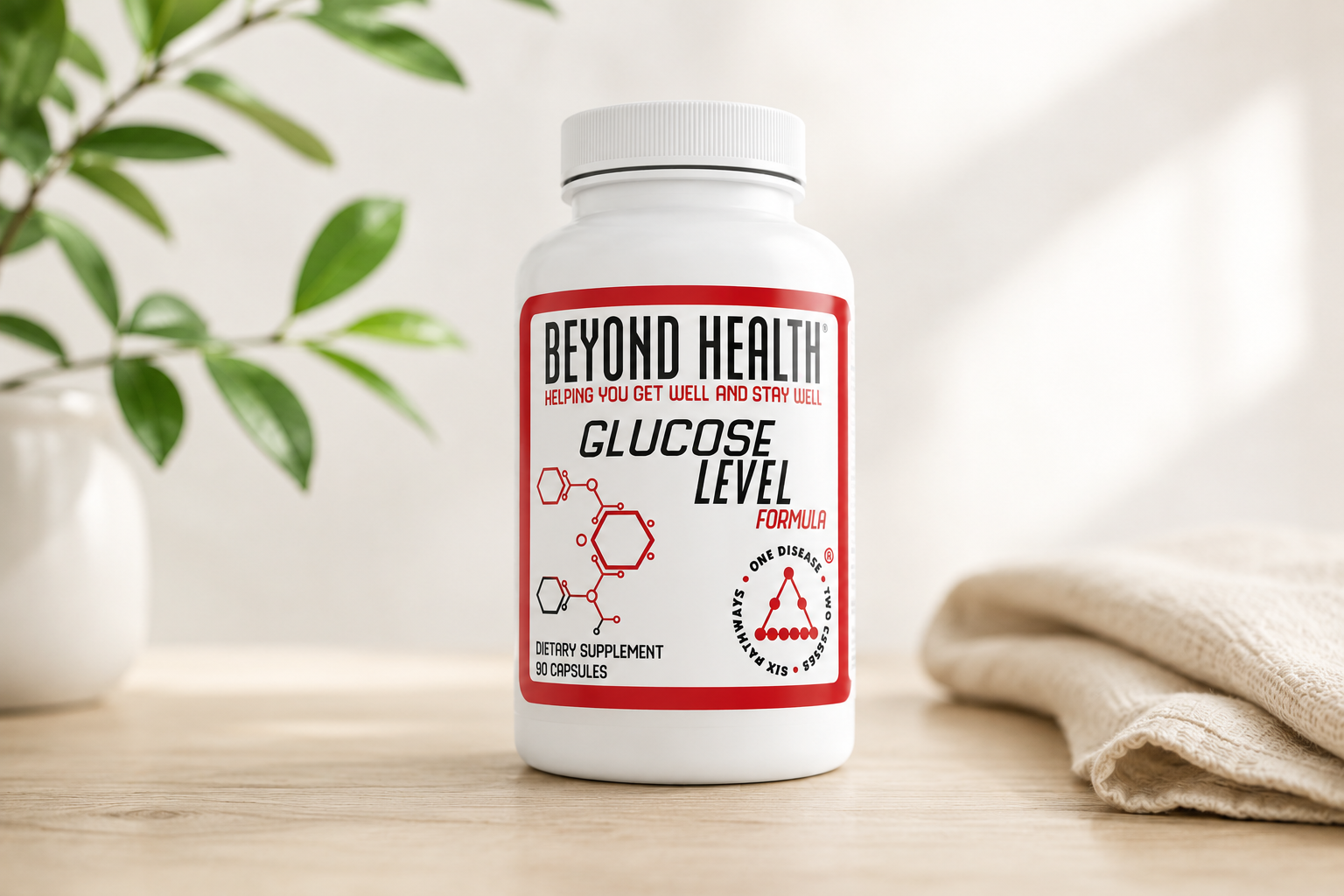
Glucose Formula
Beyond Health Glucose Formula provides targeted nutritional support for healthy glucose metabolism.
It is designed to complement healthy eating, physical activity, and other lifestyle habits that support normal blood sugar.
Discover the Best Glucose Level Products Today
R-Alpha Lipoic Acid
Alpha lipoic acid plays an important role in cellular energy metabolism and antioxidant activity.
R-Alpha Lipoic Acid is the naturally occurring biologically active form of alpha lipoic acid.
It can be part of a nutritional strategy designed to support healthy glucose metabolism, mitochondrial energy production, and antioxidant defenses.
Magnesium
Magnesium participates in hundreds of enzymatic reactions throughout the body.
It supports normal muscle and nerve function, cellular energy production, and healthy glucose metabolism.
Maintaining adequate magnesium intake is an important part of overall metabolic health.
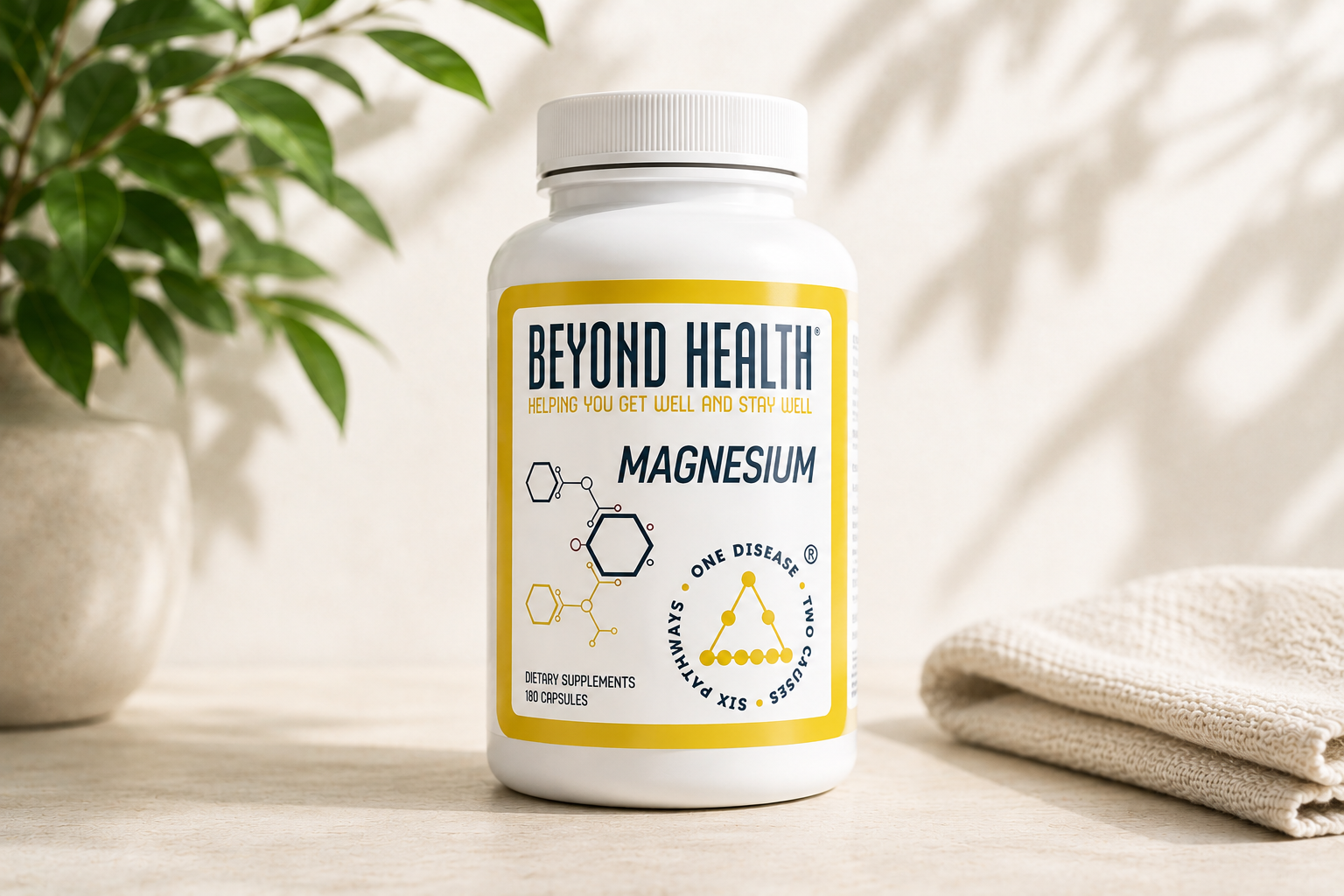
Magnesium Supplement for Nerves, Muscles & Energy (2025)
Cell Defender
Normal metabolism continuously produces reactive molecules that the body's antioxidant systems must manage.
Beyond Health Cell Defender provides targeted antioxidant nutrients designed to support the body's natural defenses against oxidative stress and promote healthy cellular function.
Cell Defender should not be viewed as protection against cancer or as a way to offset excessive sugar consumption.
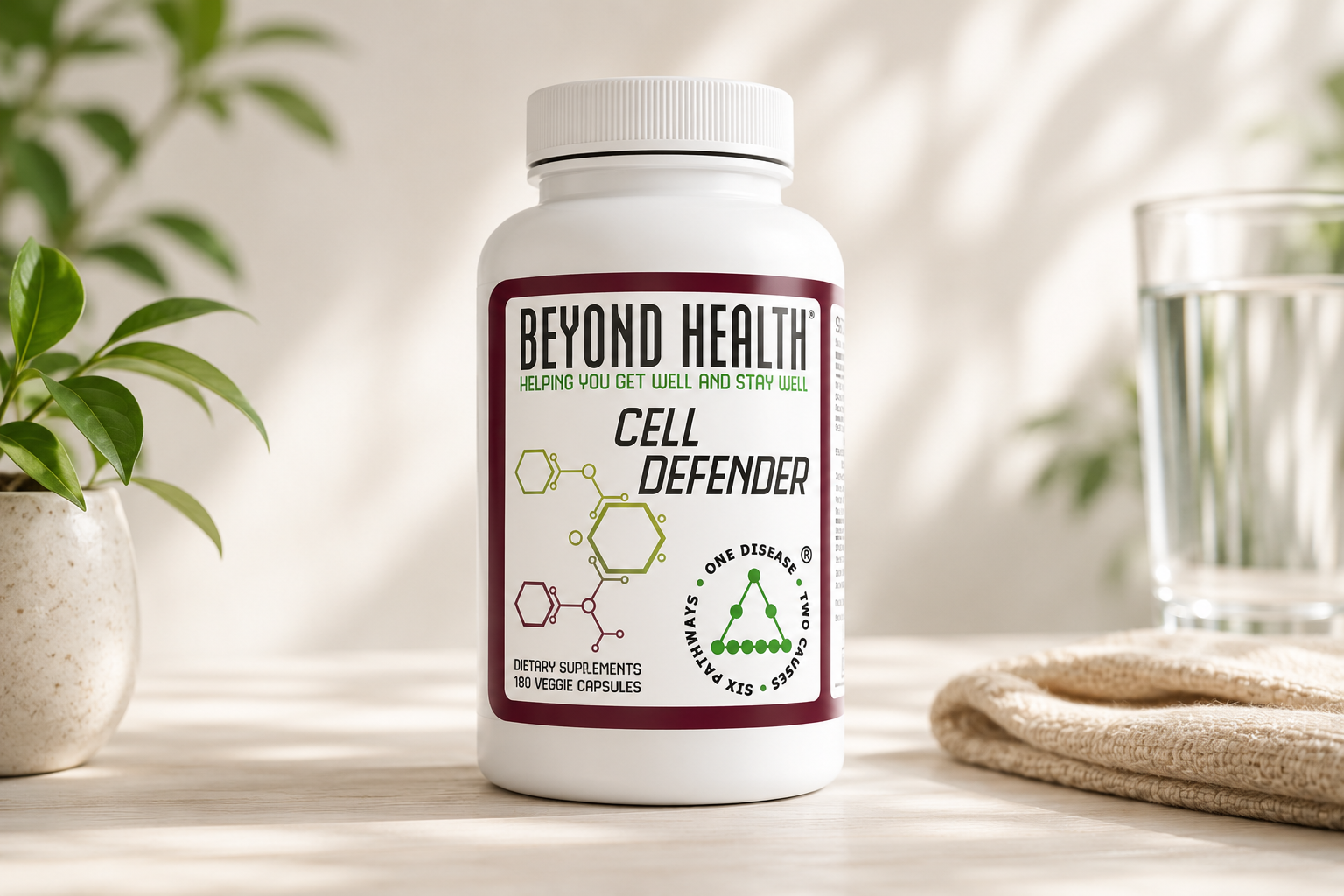
Boost Your Health with Cell Defender Supplements Today
The Beyond Health Perspective
At Beyond Health, we believe lasting wellness begins with healthy cellular function.
Your cells require nutrients, energy, and an environment that allows them to perform their normal functions efficiently.
That means supplementation is only one part of the picture.
What you eat matters.
What you drink matters.
How much you move matters.
Sleep matters.
Your everyday habits matter.
The latest research on sugar-sweetened beverages gives us another reason to examine those habits.
You don't need to fear sugar.
But it makes sense to recognize how easy it has become to consume large amounts of added sugar, especially through beverages.
Reducing excessive added sugar, eating nutrient-dense foods, staying physically active, getting adequate sleep, and providing your body with essential nutrients can help support healthy metabolism and cellular function throughout life.
Frequently Asked Questions About Sugary Drinks and Health
Are sugary drinks linked to stomach cancer?
A recent observational study found that people consuming more than one sugar-sweetened beverage per day had a higher incidence of gastric cancer than people consuming less than one per month.
However, the study found an association. It did not establish that sugary drinks cause stomach cancer.
Does drinking soda cause stomach cancer?
Current research does not establish that drinking soda directly causes stomach cancer.
Recent findings suggest an association between frequent sugar-sweetened beverage consumption and gastric cancer risk, but additional research is needed to determine whether the relationship is causal.
What drinks are considered sugar-sweetened beverages?
Sugar-sweetened beverages commonly include regular soda, lemonade, fruit punch, sweetened sports drinks, energy drinks, and other beverages containing added sugar.
Is fructose bad for you?
Fructose occurs naturally in foods such as fruit and is also consumed as part of added sugars.
The nutritional context matters. Whole fruit provides fiber and numerous nutrients along with naturally occurring fructose.
Frequent consumption of beverages containing large amounts of added sugar is very different from eating whole fruit.
Are artificially sweetened drinks linked to stomach cancer?
In this particular study, artificially sweetened beverage consumption was not associated with increased gastric cancer incidence.
That finding should not be interpreted as proof that artificially sweetened beverages are beneficial or risk-free. It simply reflects what researchers observed for gastric cancer in this study.
How can I reduce added sugar?
Start with your beverages.
Replace frequently consumed sugary drinks with water, sparkling water, unsweetened tea, or other beverages without significant added sugar.
Reading nutrition labels can also help you identify how much added sugar you're consuming.
What nutrients support healthy glucose metabolism?
Several nutrients participate in normal glucose and energy metabolism.
Magnesium and alpha lipoic acid are two examples. Dietary fiber can also help slow carbohydrate digestion and absorption as part of a balanced diet.
Supplements should complement healthy eating, exercise, sleep, and other lifestyle habits rather than replace them.
Key Takeaways
-
New research found an association between daily sugar-sweetened beverage consumption and increased gastric cancer incidence.
-
People consuming more than one sugar-sweetened beverage per day had 2.45 times the risk compared with people consuming less than one per month.
-
The study was observational and does not prove that sugary drinks cause stomach cancer.
-
Greater total fructose intake was also associated with increased gastric cancer incidence.
-
Reducing frequently consumed sugary beverages is a practical way to decrease added-sugar intake.
-
Healthy glucose metabolism depends on your overall nutrition, physical activity, sleep, and lifestyle.
-
Supplements can support normal metabolic and cellular processes, but they do not compensate for excessive sugar consumption or prevent cancer.
Support Healthy Metabolism and Cellular Function
Healthy metabolism starts with what you do every day.
Build your foundation around nutrient-dense foods, regular movement, adequate sleep, healthy hydration, and appropriate nutritional support.
Explore Beyond Health supplements designed to support healthy glucose metabolism, cellular energy, and antioxidant defenses.
[EXPLORE METABOLIC & CELLULAR SUPPORT]