null G-5DLXE7JB0V

Your Cart

Your cart is empty

Continue shopping
Skip to main content

Posted by -Beyond Health on Nov 3rd 2025

Natural Therapies for High Blood Pressure

When Drugs Aren’t the Whole Answer for High Blood Pressure High blood pressure (hypertension) remains one of the most common chronic conditions worldwide. Prescription medications can be life-saving in many cases but they are not the only tool available. Some individuals experience side effects from blood pressure medications, including: Dizziness Fatigue Digestive discomfort Sexual dysfunction Others may struggle to reach optimal blood pressure targets despite medication. This reality has led researchers and clinicians to increasingly examine the role of lifestyle-based therapies — not as replacements in all cases, but as powerful complementary strategies. What the Research Shows Medical literature has explored non-drug approaches to blood pressure management, including: The DASH diet (Dietary Approaches to Stop Hypertension) Regular physical activity Weight reduction Moderation of alcohol intake Stress management For example, reviews published in jo…

read more

Posted by - Beyond Health on Nov 3rd 2025

Traditional Balsamic Vinegar Benefits & Elegant Healthy Holiday Recipes

The Secret to Elegant, Healthy Holiday Cooking The holidays often mean rich foods, heavy sauces, and sugar-laden desserts. But what if elegance didn’t require excess? What if one ingredient could: Enhance flavor Support metabolic health Elevate vegetables and fruit And turn simple dishes into gourmet experiences That ingredient is real, traditionally made balsamic vinegar. Not the imitation versions filled with caramel coloring and sugar. The real thing. Why Real Balsamic Is Different Most “balsamic vinegar” on store shelves is: Cheap wine vinegar Sweetened with corn syrup or caramelized sugar Artificially colored Rapidly produced Authentic balsamic is entirely different. Traditional balsamic vinegar is made from freshly pressed Trebbiano grapes, slowly concentrated and aged for years in a succession of wooden barrels each smaller than the last crafted from multiple types of wood. This natural aging process: Deepens complexity Enhances antioxid…

read more

Posted by - Beyond Health on Nov 3rd 2025

Health Benefits of Beets: Detox, Blood Pressure & Endurance

The Ruby Red Superfood Most People Underestimate Beets don’t get the same attention as kale or blueberries. They should. Few foods offer the combination of: Liver detox support Hormone-balancing nutrients Blood pressure benefits Exercise endurance enhancement Antioxidant protection When it comes to functional foods that build cellular resilience, few foods beat the beet. Why Beets Are a Detox Powerhouse Beets are rich in compounds that: Support phase I and phase II liver detoxification Stimulate antioxidant enzyme activity Support bile flow and gallbladder function They are also high in glutamine, an amino acid that nourishes and strengthens the intestinal lining a critical foundation for detoxification and immune health. Remember: Your liver metabolizes toxins.Your gut determines what gets absorbed. Beets support both. Why This Matters for Women’s Hormone Balance The liver is responsible for metabolizing estrogen and other hormones. When liver detox pat…

read more
Discover the Amazing Benefits of Chia Seed Today

Posted by -Beyond Health on Nov 3rd 2025

Discover the Amazing Benefits of Chia Seed Today

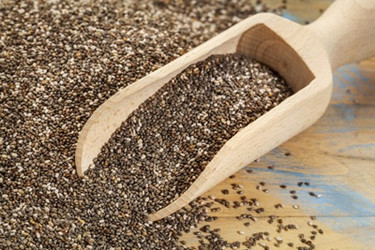
Chia Seeds: Ancient Nutrition for Modern Vitality Chia seeds are small, but nutritionally powerful. Long valued for both sustenance and resilience, they remain one of the simplest ways to add essential nutrients to a healthy, whole-food diet. Chia belongs to the mint family and comes in both black and white varieties—nutritionally comparable and equally beneficial. Native to Mexico and the American Southwest, chia seeds were a dietary staple of the Aztec civilization and Maya civilization cultures. Historical records describe chia as a primary fuel source for warriors and a valued food for endurance and strength. Although chia was once widely cultivated, its use declined after the Spanish conquest due to its cultural and religious significance. Today, commercial production has returned, and high-quality chia seeds are widely available. Nutritional Benefits of Chia Seeds Supports Cardiovascular Wellness Chia seeds are one of the richest plant sources of essential fatty acids, par…

read more
Salt, Blood Pressure, and Your Microbiome

Posted by Beyond Health on Nov 3rd 2025

Salt, Blood Pressure, and Your Microbiome

How Gut Bacteria Influence Blood Pressure (And Why Salt Isn’t the Whole Story) As scientists continue to study the trillions of microorganisms living in our intestines—collectively known as the gut microbiome—it’s becoming clear that this 3–5 pound ecosystem of bacteria plays a central role in nearly every aspect of human health. In fact, some researchers now believe the microbiome may be more influential than our genes in determining health or disease. One of the most surprising discoveries in recent years is the microbiome’s direct involvement in blood pressure regulation. Salt, Blood Pressure, and the Microbiome Connection It’s long been known that excessive salt intake is associated with high blood pressure. What’s new is how salt appears to exert its effects. Salt Alters Gut Bacteria—and Blood Pressure Follows A landmark 2017 study found that when mice and humans consumed excess salt, beneficial gut bacteria declined while pro…

read more
Quercetin and Cardiovascular Disease

Posted by Beyond Health on Nov 3rd 2025

Quercetin and Cardiovascular Disease

Quercetin: One of Your Strongest Natural Defenses Against Heart Disease Cardiovascular disease remains the leading cause of death by disease, and one of the most powerful natural compounds for protecting the heart is quercetin. Quercetin is a flavonoid—a type of antioxidant polyphenol—found naturally in fruits and vegetables. A growing body of research confirms that quercetin plays a significant role in preventing cardiovascular disease and supporting overall metabolic and immune health. Large population studies consistently show that diets high in quercetin are associated with a lower risk of heart disease. Beyond population data, mechanistic and clinical research reveals how quercetin works at the cellular and vascular level. Eight Ways Quercetin Protects the Cardiovascular System 1. Improves Cholesterol Balance Human studies show that quercetin supplementation: Lowers total cholesterol Lowers LDL (“bad”) cholesterol Raises HDL (“good”) chol…

read more
Why Your Heart Needs Vitamin C

Nov 3rd 2025

Why Your Heart Needs Vitamin C

February was Heart Health month, and we honored it by writing about two nutrients that are critical for a healthy heart, vitamin E and CoQ10. However no discussion of nutrients that benefit the heart would be complete without talking about our favorite vitamin, vitamin C. We’ve told you before about a theory advanced by one of the greatest scientists of the 20th century, two-time Nobel laureate, chemist Linus Pauling. He hypothesized that heart disease may actually be a vitamin C deficiency disease. Pauling observed that animals don’t get heart attacks. Most animals (humans, apes, guinea pigs and fruit bats excepted) make their own vitamin C—out of blood sugar! According to Andrew W. Saul, PhD, most mammals make the human equivalent of more than 5,000 mg of vitamin C daily, and considerably more when under stress. Pauling also knew that one of vitamin C’s primary roles in the body is helping to build collagen, the basic material in connective tissue, including blood vessel wal…

read more
Protect Your Skin without Toxic Sunscreens

Nov 3rd 2025

Protect Your Skin without Toxic Sunscreens

Every summer we warn against using sunscreens. First, sunscreens contain toxic ingredients. Some are better than others, but we haven’t found a single one we’d want to use or recommend. Second, sunscreens are designed to block out the sun’s ultraviolet rays. This prevents sunburn, but it also blocks out many of the sun’s benefits. We’ve been sold a bill of goods on sunlight being dangerous. Sunlight is essential to our health and well-being. While too much sun can give you a sunburn, too much of anything can be harmful. Used intelligently, sunlight is nourishing and energizing. Our bodies convert the sun’s rays into vitamin D. Sunlight increases production of the “happy hormones” that prevent anxiety and depression, it enhances immunity, and increases the oxygen content in our blood. It helps to prevent and reverse cancer. Sunlight has even been shown to lower blood pressure, cholesterol and triglycerides, and to heal wounds and any number of skin diseases. So what is “intelli…

read more
Want a Healthy Future? Limit Your Cell Phone Use.

Nov 3rd 2025

Want a Healthy Future? Limit Your Cell Phone Use.

As we envision a healthy future for ourselves, our children, and our planet this month, let’s take a look at cell phones. Although more than 90% of the US population now owns one, cell phones have never been proven safe.  In fact, evidence for their ability to harm continues to accumulate. Although it’s too late to put the genie back in the bottle—we’ve become too dependent on our cell phones to give them up—both adults and especially children must limit cell phone use if we want a healthy future. Nutritionist Anne Louise Gittleman has pointed out that the kind of electromagnetic radiation cell phones emit causes subliminal stress that raises blood pressure and cortisol (a stress hormone) levels, alters blood sugar regulation, lowers thyroid hormone output and can interfere with getting a good night’s sleep. Cell phones also affect fertility and have been linked in children with behavioral disorders, learning difficulties and depression. Of particular concern have been…

read more
The Right Kind of Salt, in the Right Amount

Nov 3rd 2025

The Right Kind of Salt, in the Right Amount

Excessive amounts of salt in the diet damages healthy bacteria living in our intestines and leads to high blood pressure, heart disease, cancer, osteoporosis, and fatigue.But we need some salt. If you perspire, whether it's from exercising, using a sauna, or living in a hot climate, you can lose too much sodium and other minerals in your sweat causing serious consequences, even death. People with weak adrenals often don’t retain enough salt leading to excessively low blood pressure, so they need extra salt.According to Mark Kurlansky, author of Salt: A World History, humans began to include salt in their diets once crops were cultivated and grains introduced. Salt mobilizes enzymes that help to digest grains and balance their acidity with alkalinizing minerals. (Unless it’s conventional salt, stripped of its natural minerals, in which case it will only increase the acidifying effect of eating grains. More about that later.)The problem is most people are getting too much salt, and it’s…

read more
Regaining the Ability to Eat Intuitively

Nov 3rd 2025

Regaining the Ability to Eat Intuitively

Our bodies are designed to maintain us at a weight that is perfect for us (although perhaps not perfect by fashion model standards) by telling us when we’re hungry, what we’re hungry for, and when we’ve had enough. But while some people just naturally eat this way, many of us have become desensitized to our body’s signals and need to relearn Intuitive Eating (IE).In the past twenty years, IE has been the subject of many of scientific studies. They’ve found that rejecting diets, being supported to love and accept ourselves as we are and learning to trust our own intuition when it comes to food choices lead to substantial gains in emotional well-being and quality of life. IE also greatly reduces risks for compulsive eating, binge eating and other eating disorders, and it’s been linked to lower weight, lower blood pressure and cholesterol levels independent of weight loss, and increased glycemic control in type 2 diabetes. For those who are re-learning IE, Dr. Steven C. Straus, MD, sugge…

read more
Shinrin-yoku (Forest Bathing)

Nov 3rd 2025

Shinrin-yoku (Forest Bathing)

Years ago we heard an intriguing story. A frail, elderly gentleman in India, bent over with age, left his village to wander into the woods to die. Several years later he returned, vigorous, upright and tanned from the sun, claiming he had been rejuvenated by communing with the rocks, the trees, and the mountain streams.This story came out of Asia’s ancient tradition of nature therapy recently revived in Japan under the name of shinrin-yoku, or “forest bathing.” Forest bathing is immersing yourself in a forest environment. This means leaving your cell phone and daily concerns behind and spending several hours deep in the woods, walking on trails or sitting with no other purpose than to experience your surroundings through all five senses: smelling the woodsy air; feeling the ground beneath your feet or the bark of a tree or the texture of a leaf; tasting a blackberry or wild mint; listening to bird calls and the sound of the wind rustling through the trees; and taking in the varied si…

read more
Understanding Sugar and Hypertension: Key Insights

Posted by * on Jul 14th 2025

Understanding Sugar and Hypertension: Key Insights

For years, Beyond Health has recommended limiting fruit consumption to two pieces of fruit per day and avoiding fruit juice altogether. Although fresh fruit is a good source of nutrients, it’s also high in sugar, and sugar, even from healthy sources, can be detrimental if you get too much of it. Although a diet high in fruits and vegetables is often recommended for lowering blood pressure, studies have found that high fruit consumption is not associated with lowered blood pressure and can even cause elevations in blood pressure. How would eating fruit lead to higher blood pressure? It’s the sugar in the fruit that’s the problem. Fruit contains two kinds of sugar—50% glucose and 50% fructose. And they each impact blood pressure. High fructose corn syrup is also composed primarily of glucose and fructose—42% glucose and 55% fructose. Under normal, healthy circumstances, if you eat a piece of fruit, the glucose will cause sugar levels in your blood to rise so…

read more

Categories

Tags

Disclaimer

Information contained in NewsClips articles should not be construed as personal medical advice or instruction. These statements have not been evaluated by the Food and Drug Administration. Products are not intended to diagnose, treat, cure or prevent any disease.