What Are Antioxidants?
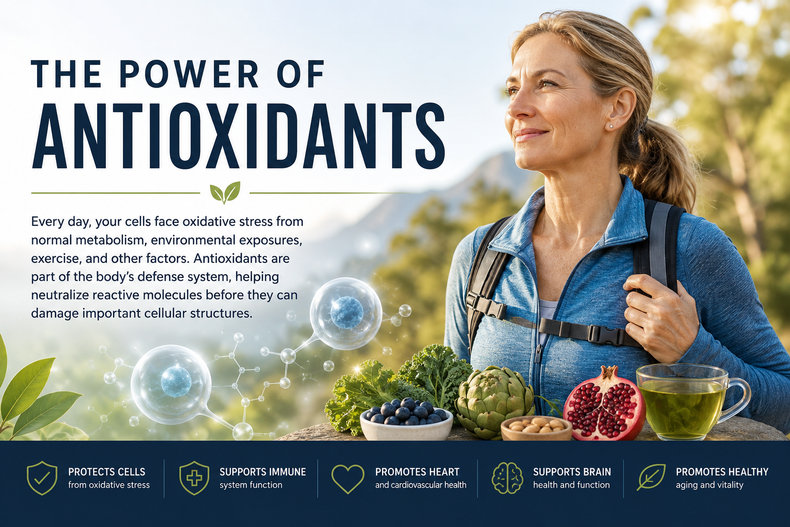
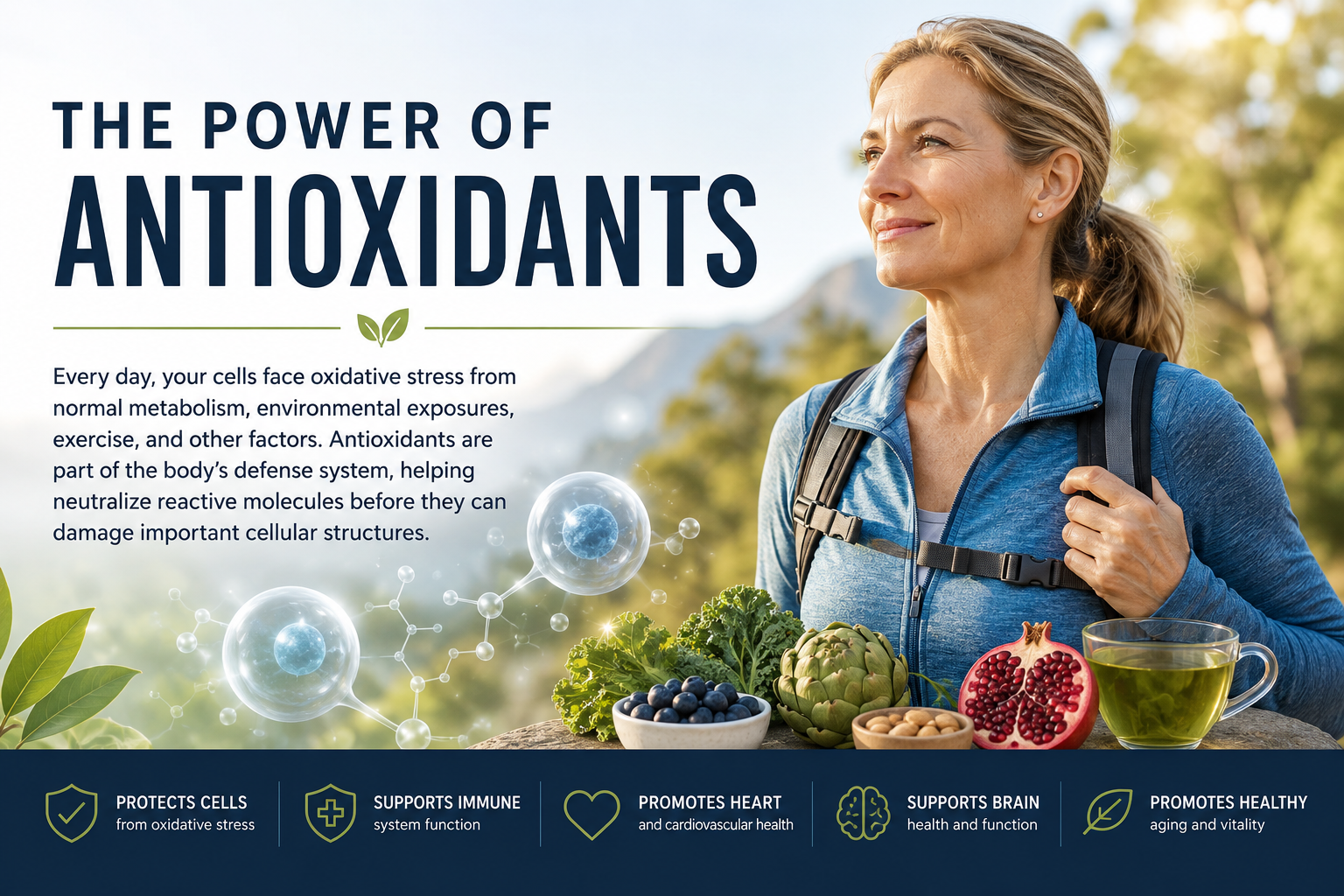
Antioxidants are compounds that help your body manage highly reactive molecules produced during normal metabolism and through exposure to factors such as exercise, sunlight, air pollution, and cigarette smoke. When these reactive substances become excessive, they can contribute to an imbalance known as oxidative stress.
Antioxidant Supplements: What You Need To Know | NCCIH
Oxidative stress matters because excessive free radicals and other reactive molecules can damage cellular structures, including cell membranes, proteins, and DNA. Fortunately, your body has its own defense and repair systems designed to help regulate this process.
Antioxidants are an important part of those defenses.
Some antioxidants are produced naturally by your body, while others come from your diet. Fruits, vegetables, whole grains, nuts, seeds, and other plant foods provide numerous nutrients and plant compounds with antioxidant activity.
Important Antioxidants and Antioxidant-Supporting Nutrients
• Vitamin C is a water-soluble antioxidant that can neutralize free radicals. It also plays an important role in collagen production and normal immune function.
Vitamin C • The Nutrition Source
• Vitamin E is a fat-soluble antioxidant that helps protect cells from free-radical damage.
• Glutathione is produced by the body and forms part of its antioxidant defense network.
• Selenium contributes to antioxidant defense through its role in antioxidant enzymes.
• Plant compounds such as quercetin, carotenoids, flavonoids, and other polyphenols can also exhibit antioxidant activity.
What Are Antioxidants? • The Nutrition Source
What Are Free Radicals and Oxidative Stress?
Your body is constantly carrying out chemical reactions to produce energy, repair tissue, fight infections, and keep cells functioning. During these normal processes, cells produce reactive molecules known as reactive oxygen species, or ROS. Some of these are free radicals.
Free radicals are unstable molecules with an unpaired electron. Because of their chemical structure, they can react with other molecules inside the body.
But there is an important distinction:
Free radicals are not automatically bad.
At controlled levels, reactive oxygen species participate in cell signaling and normal immune defenses. Problems can develop when their production becomes excessive relative to the body's ability to regulate them.
Where Do Free Radicals Come From?
Free radicals and antioxidants in normal physiological functions and human disease - PubMed
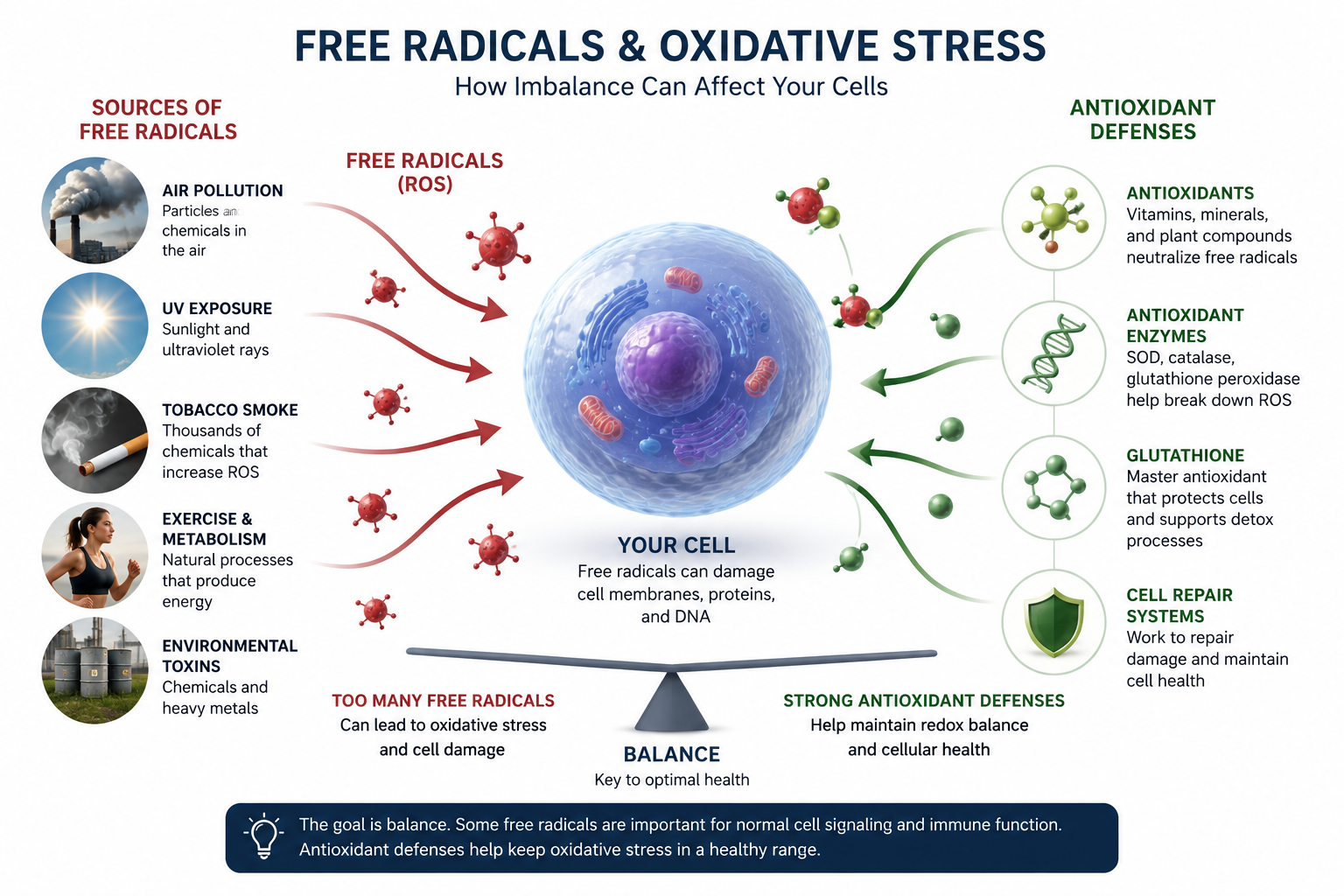
Your body naturally produces reactive oxygen species during activities such as converting food into energy and exercising. You can also encounter factors that increase oxidative exposure, including:
• Cigarette smoke
• Air pollution
• Sunlight and UV exposure
• Certain environmental toxins
• Radiation
• Normal metabolic activity
What Is Oxidative Stress?
Oxidative stress occurs when reactive molecules overwhelm the systems responsible for keeping them under control.
The National Cancer Institute defines oxidative stress as a condition that can occur when there are too many unstable free radicals and insufficient antioxidant defenses to manage them. This imbalance can contribute to cell and tissue damage.
When oxidative stress becomes excessive or persistent, important cellular components can be affected, including:
• Lipids, including those found in cell membranes
• Proteins, which perform countless structural and functional jobs
• DNA, which contains the cell's genetic instructions
This is one reason oxidative stress receives so much attention in research on cellular health and aging.
Oxidative Stress Is More Complicated Than "Free Radicals = Bad"
This point matters.
Modern research shows that oxidative stress is more complicated than simply having free radicals floating around damaging cells. Reactive oxygen species also participate in normal signaling, and the body's antioxidant systems help maintain what researchers call redox balance or redox homeostasis.
That also explains why taking huge doses of antioxidants isn't automatically better.
The NIH's National Center for Complementary and Integrative Health notes that large amounts of antioxidants may interfere with normal cell signaling and defense mechanisms.
The goal of antioxidant nutrition should be to support the body's normal defense systems, not attempt to eliminate every reactive molecule.
That distinction will become important in the next section, where we'll look at the actual benefits of antioxidants and how your body uses them to help protect cells.
Definition of oxidative stress - NCI Dictionary of Cancer Terms - NCI
What Are the Benefits of Antioxidants?
Antioxidants play an important role in helping your body protect its cells from excessive oxidative damage. Their primary job is not to eliminate every free radical. Instead, antioxidants work as part of a larger defense system that helps your body maintain a healthy balance between reactive oxygen species and the mechanisms that control them.
This matters because when reactive oxygen species accumulate beyond the body's ability to manage them, they can damage proteins, lipids, cell membranes, and DNA.
Helping Protect Your Cells
One of the most important benefits of antioxidants is their ability to help protect cellular components from oxidative damage.
Different antioxidants work in different environments. Some are water-soluble, while others work in lipid-rich areas such as cell membranes. Your body also produces antioxidant compounds of its own, including glutathione and coenzyme Q10.
This is why a variety of antioxidants matters. Your cells rely on a network of compounds and antioxidant enzymes rather than a single nutrient.
Antioxidants and Healthy Aging
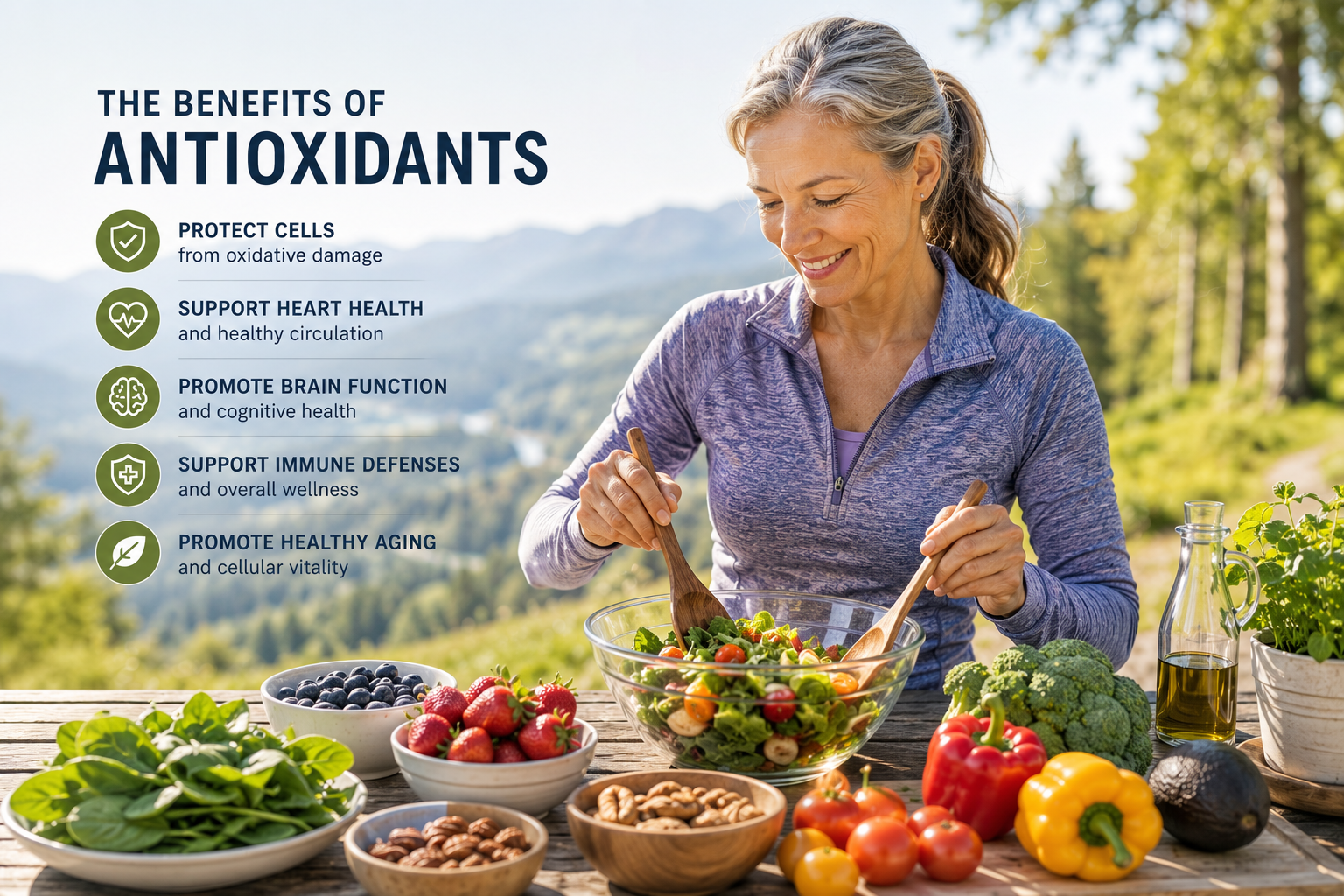
Oxidative stress has been extensively studied in connection with aging and many age-related health conditions. Researchers have found that excessive oxidative stress can contribute to cellular damage, although the relationship between oxidative stress, aging, and disease is complex.
Supporting your body's normal antioxidant defenses is therefore an important part of maintaining cellular health as you age.
There is also strong evidence supporting diets rich in fruits and vegetables. The NIH reports that people who consume more fruits and vegetables tend to have lower risks of several chronic diseases. However, researchers cannot attribute those benefits solely to antioxidants because whole foods contain fiber, vitamins, minerals, phytochemicals, and many other compounds.
Antioxidants and Cardiovascular Health
Oxidative stress is involved in several processes studied in cardiovascular health, including oxidative changes within blood vessels. Researchers continue to investigate the relationship between antioxidant defense systems and cardiovascular function.
But there is an important distinction between antioxidant-rich foods and high-dose antioxidant supplements.
Higher consumption of fruits and vegetables is consistently associated with better cardiovascular outcomes. High-dose antioxidant supplementation has not consistently produced the same results in clinical trials.
That distinction is important because we do not want this article making claims the research cannot support.
Supporting the Body's Natural Defenses
Antioxidants also work alongside your body's own protective systems.
Your cells contain antioxidant enzymes that help regulate reactive oxygen species. These include superoxide dismutase, catalase, and glutathione peroxidase. The NIH describes antioxidant enzymes as major components of the body's defenses against oxidative stress.
Certain nutrients also contribute to these systems. For example, selenium is incorporated into proteins involved in antioxidant activity rather than simply acting as a stand-alone antioxidant molecule.
The real power of antioxidants comes from supporting a coordinated defense system, not from taking enormous amounts of one antioxidant.
That point is critical. Research does not support the idea that high-dose antioxidant supplements broadly prevent chronic disease, and excessive amounts of certain antioxidants can cause harm.
For Beyond Health, the better message is simple: give your cells the nutrients they need to support normal antioxidant defenses while building your foundation around a nutrient-rich diet and healthy lifestyle.
How Your Body’s Antioxidant Defense System Works
Your body does not rely entirely on antioxidants from food or supplements. It has its own built-in antioxidant defense system that works continuously to help control reactive oxygen species and maintain normal cellular function.
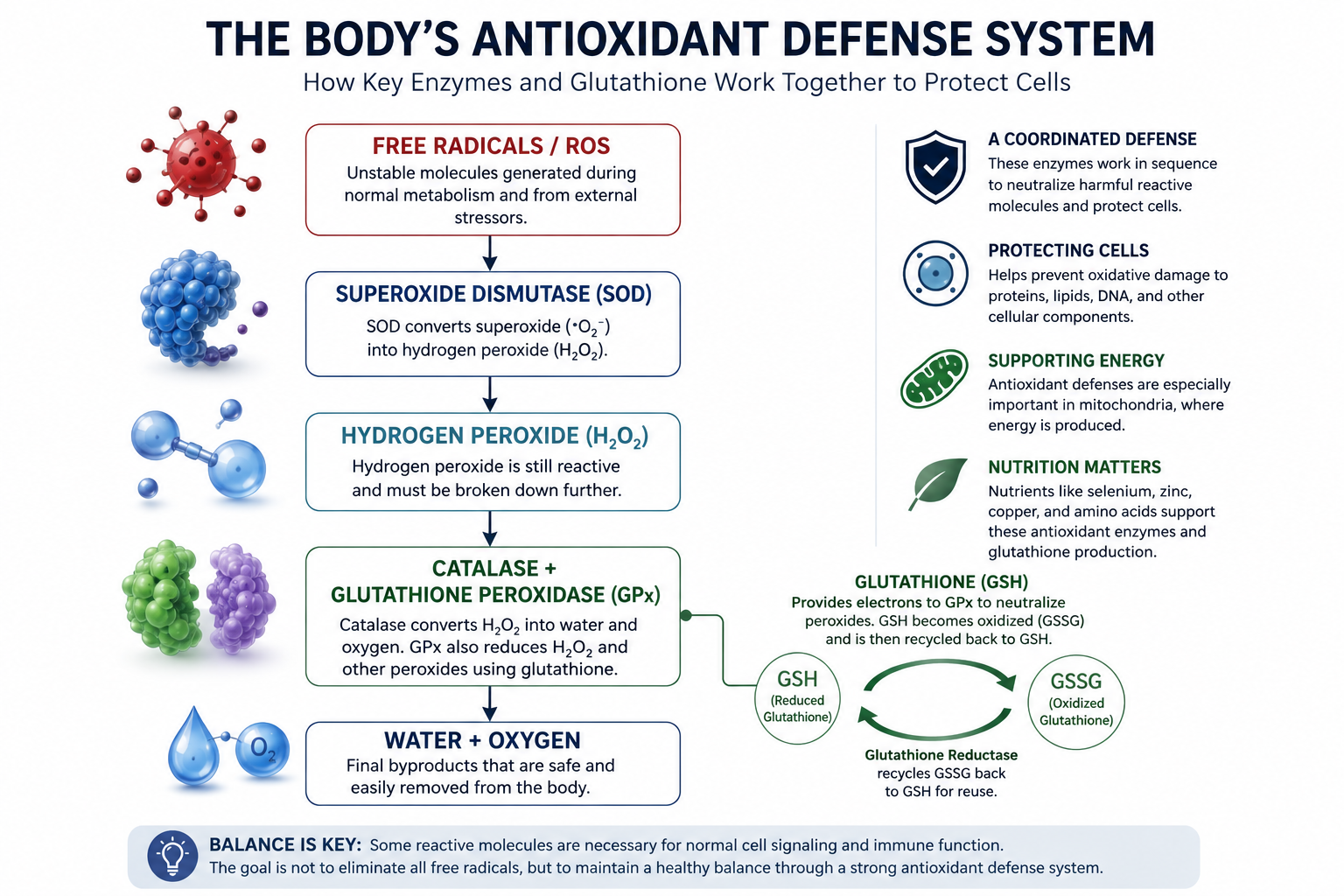
This system includes antioxidant compounds and specialized enzymes. Three of the major antioxidant enzymes are superoxide dismutase, catalase, and glutathione peroxidase. Together, these enzymes help convert reactive molecules into less reactive compounds that your body can safely manage.
Antioxidant protection is a coordinated process. No single vitamin, mineral, or antioxidant does the entire job.
Superoxide Dismutase: The First Line of Defense
Proposed Definition - Dietary Reference Intakes - NCBI Bookshelf
Superoxide dismutase, commonly called SOD, helps neutralize a reactive oxygen species known as superoxide.
SOD converts superoxide into hydrogen peroxide. Hydrogen peroxide is still reactive, however, so the antioxidant defense process cannot stop there. Other enzymes must continue the process and break it down further.
The basic process looks like this:
Superoxide → Hydrogen Peroxide → Water and Oxygen
This is a good example of why antioxidants work as a system rather than individually.
Catalase: Breaking Down Hydrogen Peroxide
Catalase helps convert hydrogen peroxide into water and oxygen.
This is important because excessive hydrogen peroxide can contribute to oxidative damage if it accumulates inside cells. Catalase provides one of the body's enzymatic defenses for controlling that buildup.
Glutathione Peroxidase: Where Glutathione Becomes Important
Glutathione and mitochondria - PMC
Another major antioxidant enzyme is glutathione peroxidase, often abbreviated GPx.
Glutathione peroxidases help reduce hydrogen peroxide and other peroxides. Glutathione plays a central role in this process.
When reduced glutathione, known as GSH, participates in these antioxidant reactions, it becomes oxidized glutathione, known as GSSG. The body has mechanisms that can then convert GSSG back into its reduced form.
This ability to recycle glutathione helps maintain the body's cellular antioxidant defenses.
Why Glutathione Is So Important
Glutathione is one of the body's major intracellular antioxidants.
It is made from three amino acids: glutamate, cysteine, and glycine. Glutathione is present throughout the body and plays an important role in maintaining the cellular environment.
Glutathione has several important functions. It participates in antioxidant reactions, serves as a cofactor for certain enzymes, contributes to detoxification processes, and helps maintain cellular redox balance.
Glutathione is also important within the mitochondria, the structures responsible for producing much of the usable energy your cells need. Because mitochondrial energy production naturally generates reactive oxygen species, antioxidant defenses inside mitochondria are important for managing oxidative stress.
This creates a direct connection between antioxidant defense and normal cellular function.
Your body needs more than antioxidants circulating in the bloodstream. It relies on a network of antioxidant compounds, enzymes, and supporting nutrients working inside your cells.
That is why understanding glutathione is so important. In the next section, we can look specifically at how glutathione works, how your body produces it, and how nutrients such as cysteine and selenium support the glutathione system.
Glutathione, One of Your Body’s Most Important Antioxidants
Glutathione deserves its own section because it plays a major role in the antioxidant system we just discussed.
Glutathione, commonly abbreviated GSH, is an antioxidant produced inside your cells. It is made from three amino acids: glutamate, cysteine, and glycine. Research describes glutathione as one of the most abundant intracellular antioxidants and an important participant in cellular redox regulation.
Unlike a nutrient that performs one isolated job, glutathione participates in several cellular processes. It helps the body manage oxidative stress, recycle antioxidant defenses, and process certain compounds through normal detoxification pathways.
Glutathione synthesis and its role in redox signaling - PMC
How Your Body Makes Glutathione
Your cells manufacture glutathione in two main steps.
First, the body combines glutamate and cysteine. It then adds glycine to produce glutathione. Both steps require energy in the form of ATP.
The availability of cysteine can be an important factor in glutathione production. This is why N-acetyl-L-cysteine, or NAC, receives so much attention in discussions about glutathione. NAC can provide the body with cysteine used in glutathione synthesis.
Glutamate + Cysteine + Glycine → Glutathione
Reduced vs. Oxidized Glutathione
You may see glutathione products labeled “reduced glutathione.” That wording has a specific meaning.
The reduced form is abbreviated GSH. When glutathione participates in certain antioxidant reactions, it can become oxidized and form GSSG.
The body can then use glutathione reductase and NADPH to recycle GSSG back into GSH. This creates an antioxidant cycle rather than a one-time reaction.
Glutathione and Cellular Protection
One of glutathione's major antioxidant roles occurs through glutathione peroxidase.
Glutathione peroxidases use glutathione to help reduce hydrogen peroxide and lipid peroxides, compounds that can contribute to oxidative damage when they accumulate.
Glutathione also participates in reactions involving certain electrophilic compounds and contributes to cellular detoxification processes.
This makes glutathione an important part of the body's broader cellular defense system.
Where Selenium Fits In
Glutathione alone is not the whole story.
Several glutathione peroxidase enzymes are selenoproteins, meaning they require selenium as part of their structure and function.
Glutathione-Related Enzymes and Proteins: A Review - PMC
The NIH Office of Dietary Supplements identifies protection from free-radical damage as one of selenium's biological roles, along with functions involving thyroid hormones, DNA production, and reproduction.
This gives us another good example of why antioxidant defense should be viewed as a network of nutrients, compounds, and enzymes working together.
Glutathione Formula - Cellular Detox & Immune Support
Vitamin C and Vitamin E, Antioxidant Protection in Different Parts of the Cell
Two of the best-known antioxidant nutrients are vitamin C and vitamin E. While both contribute to antioxidant defense, they do not work in exactly the same way.
The key difference is where they operate.
Vitamin C is water-soluble, while vitamin E is fat-soluble. This allows them to provide antioxidant activity in different cellular environments.
Vitamin C: A Water-Soluble Antioxidant
Vitamin C - Health Professional Fact Sheet
Vitamin C, also called ascorbic acid, is an essential nutrient that humans must obtain through food or supplementation.
As a water-soluble antioxidant, vitamin C can donate electrons to reactive compounds and help limit oxidative damage. It also performs several functions beyond its antioxidant activity.
Vitamin C is required for:
• Collagen production, which is important for connective tissues and normal wound healing
• Normal immune function
• Improved absorption of nonheme iron, the form found primarily in plant foods
• Production of certain neurotransmitters and L-carnitine
• Antioxidant defense
This is an important point for the article. Antioxidants are often multifunctional nutrients. Their antioxidant activity is only one part of what they do in the body.
Vitamin E: Protecting Lipid-Rich Areas
Vitamin E - Health Professional Fact Sheet
Vitamin E works differently because it is fat-soluble.
One of vitamin E's major functions is acting as an antioxidant that helps stop free-radical chain reactions involving fats. This makes vitamin E particularly relevant to cell membranes, which contain large amounts of lipids.
Alpha-tocopherol is the form of vitamin E that the human body preferentially maintains. Vitamin E also participates in immune function, cell signaling, and other metabolic processes.
Vitamin C and vitamin E therefore provide a good example of why the body needs multiple antioxidant compounds rather than relying on a single antioxidant.
Vitamin C Can Help Regenerate Vitamin E
The relationship between these nutrients gets even more interesting.
Vitamin C can help regenerate alpha-tocopherol, the active form of vitamin E, after vitamin E participates in antioxidant reactions. The NIH specifically identifies regeneration of other antioxidants, including alpha-tocopherol, as one of vitamin C's functions.
This reinforces one of the central messages of this article:
Your antioxidant defenses function as a network.
Vitamin C, vitamin E, glutathione, antioxidant enzymes, selenium, and numerous plant compounds can perform different jobs within that network. No single antioxidant replaces all of the others. Harvard's Nutrition Source specifically notes that antioxidants have different chemical and biological properties and are not interchangeable.
Food Should Still Be the Foundation
Vitamin C is naturally found in foods such as citrus fruits, strawberries, kiwi, peppers, broccoli, tomatoes, and leafy greens.
Vitamin E can be found in foods including almonds, sunflower seeds, peanuts, avocado, spinach, and other leafy greens.
A diet containing a variety of plant foods provides more than isolated vitamins. It also supplies carotenoids, flavonoids, polyphenols, minerals, fiber, and other compounds that may work together in ways that cannot be replicated simply by taking very high doses of one antioxidant.
More is not automatically better.
Large randomized trials have generally failed to show that high-dose single-antioxidant supplements prevent major chronic diseases in otherwise well-nourished populations. Some high-dose antioxidant supplements can also create risks in certain circumstances.
The better approach is to build a strong nutritional foundation and use supplementation to complement that foundation rather than replace it.
What Are Antioxidants? • The Nutrition Source
Plant-Based Antioxidants, Flavonoids, Polyphenols, and Quercetin
Vitamins C and E are important antioxidants, but they represent only part of the antioxidant compounds found in our diets.
What Are Antioxidants? • The Nutrition Source
Plants contain hundreds of compounds with antioxidant properties, including flavonoids, carotenoids, and other polyphenols. These compounds help explain why antioxidant-rich foods provide a much broader mixture of nutrients than any single isolated antioxidant.
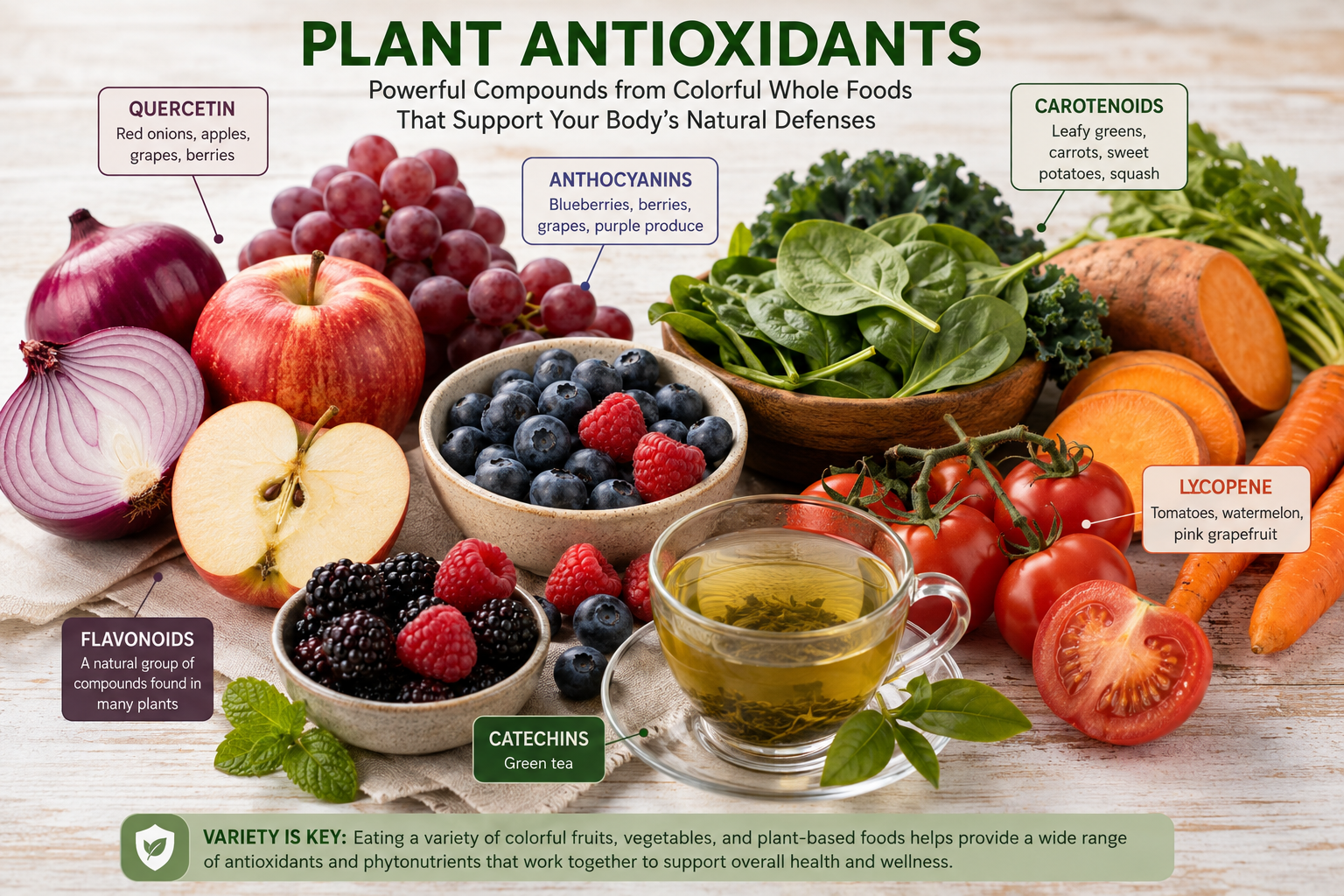
Harvard's Nutrition Source lists quercetin, catechins, anthocyanins, carotenoids, and other plant compounds among substances with antioxidant activity.
Quercetin: A Powerful Plant Flavonoid
Quercetin is a type of flavonoid naturally present in many plant foods. Common dietary sources include apples, onions, grapes, berries, and other fruits and vegetables.
Quercetin has received considerable research attention because of its antioxidant properties and its effects on several cellular pathways. Laboratory and experimental research has also investigated quercetin's relationship with inflammatory processes.
The important distinction is that quercetin does more than simply neutralize reactive molecules in a test tube.
After quercetin is consumed, your body absorbs and metabolizes it into different compounds that circulate in the bloodstream. Its absorption can vary significantly depending on the form of quercetin, the food it comes from, and differences between individuals.
This is another reason antioxidant nutrition is more complicated than simply asking which antioxidant is strongest.
Carotenoids: More Than Beta-Carotene
Carotenoids are another major group of naturally occurring plant compounds.
Examples include beta-carotene, lycopene, lutein, and zeaxanthin. They are found in foods such as carrots, tomatoes, leafy greens, sweet potatoes, peppers, watermelon, and other brightly colored fruits and vegetables.
Some carotenoids can be converted into vitamin A, while others cannot. For example, Harvard notes that lycopene, lutein, and zeaxanthin are carotenoids that are not converted into vitamin A.
This reinforces an important theme:
Different antioxidant compounds have different biological properties. They are not interchangeable.
Polyphenols and Flavonoids
Polyphenols represent a broad category of plant compounds. Flavonoids are one major group within that category.
Foods can contain many different polyphenols at the same time. For example, berries contain anthocyanins and other phenolic compounds, while tea contains flavonoids such as catechins.
That variety is one reason a diet built around colorful whole foods remains important even when supplements are used.
A vitamin C capsule provides vitamin C. An apple, berry, or vegetable can provide vitamins, minerals, fiber, and numerous plant compounds simultaneously.
Why Variety Matters
There is no single "best" antioxidant.
Harvard specifically warns against treating antioxidants as interchangeable. Different compounds have unique chemical and biological properties and likely function as parts of larger networks.
That makes dietary variety important.
Eating different colors of fruits and vegetables exposes your body to different combinations of carotenoids, flavonoids, vitamins, minerals, and other plant compounds.
The goal should be to build a broad nutritional foundation rather than chase one antioxidant in massive doses.
Quercetin Pro Supplements - Antioxidant Immune Boost
Your Lifestyle Can Affect Oxidative Stress
Antioxidant-rich foods and supplements are only part of the picture. Your daily habits can influence how much oxidative stress your body has to manage in the first place.
Reactive oxygen species are produced naturally during normal metabolism. Their production can also be influenced by cigarette smoke, air pollution, sunlight, diet, exercise, and other environmental and lifestyle factors.
Science Snippet: Antioxidants Explained | National Institute of General Medical Sciences
That means supporting antioxidant defenses involves two sides of the equation: providing your body with the nutrients it needs and reducing unnecessary sources of oxidative stress when possible.
Exercise: Some Oxidative Stress Can Be Beneficial
Exercise creates an interesting situation.
Physical activity temporarily increases the production of reactive oxygen species. At first, that might sound harmful. But some ROS produced during exercise act as signaling molecules that help trigger beneficial adaptations. Regular training can strengthen the body's own antioxidant defenses.
This is another reason trying to eliminate every free radical would be a mistake.
Your body needs balance, not zero oxidative activity.
Research also raises questions about taking very large doses of antioxidant supplements specifically to eliminate exercise-induced oxidative stress. Antioxidant supplementation has not consistently been shown to improve exercise performance, and reactive oxygen species themselves participate in normal exercise adaptation.
Oxidative stress, exercise, and antioxidant supplementation - PubMed
Smoking and Air Pollution
Cigarette smoke and air pollution expose the body to compounds associated with increased free-radical production and oxidative stress.
Avoiding tobacco smoke is therefore far more meaningful than trying to compensate for smoking by simply taking more antioxidants.
The same principle applies to environmental exposures. You cannot eliminate every pollutant, chemical, or source of oxidative stress, but reducing unnecessary exposure can lower the burden your body's protective systems must manage. Antioxidants and Cancer Prevention - NCI
Build Your Diet Around Whole Foods
One of the strongest nutritional strategies is also one of the simplest:
Eat a wide variety of fruits, vegetables, legumes, nuts, seeds, and other nutrient-rich foods.
These foods provide combinations of vitamin C, vitamin E, carotenoids, flavonoids, minerals, fiber, and other compounds. Higher consumption of fruits and vegetables is associated with lower rates of several chronic diseases, although researchers cannot attribute those benefits solely to their antioxidant content.
That distinction matters.
Antioxidant Supplements: What You Need To Know | NCCIH
An antioxidant supplement should not be treated as a replacement for a nutrient-rich diet.
Whole foods contain complex combinations of nutrients and plant compounds that isolated supplements cannot perfectly reproduce.
More Antioxidants Are Not Always Better
This is probably the most important warning in this entire article.
It is easy to hear "antioxidants protect cells" and conclude that taking more must provide greater protection.
Antioxidant Supplements: What You Need To Know | NCCIH
The research does not support that assumption.
The National Center for Complementary and Integrative Health reports that large amounts of antioxidants may interfere with normal cellular signaling and defense mechanisms. Clinical research has also failed to show broad chronic-disease prevention benefits from high-dose antioxidant supplements.
This does not mean antioxidant nutrients are unimportant. It means dose, form, nutritional status, diet, and individual needs matter.
The Better Antioxidant Strategy
A strong antioxidant strategy starts with the basics:
• Eat colorful whole foods to obtain a broad range of antioxidant nutrients and plant compounds.
• Exercise regularly to support normal physiological adaptation and your body's endogenous antioxidant systems.
• Avoid smoking and reduce unnecessary environmental exposures when possible.
• Use supplements intelligently to complement your nutritional foundation rather than compensate for poor habits.
Your goal should not be to eliminate oxidation. Your goal should be to support the body's ability to maintain a healthy balance.
How to Choose an Antioxidant Supplement
Walk into a supplement store and you can find dozens of products marketed for antioxidant support. That does not mean you need all of them.
A good antioxidant supplement should complement your diet and your body's existing antioxidant systems. It should not be used as an excuse to take massive doses of isolated nutrients.
The NIH warns that antioxidants have different properties and that larger amounts are not automatically better. High doses can interfere with normal cellular signaling, interact with medications, or create other risks.
1. Look at the Entire Formula
Do not judge a supplement based only on the biggest number on the label.
Instead, ask:
• What antioxidant compounds does it contain?
• What form of each nutrient is being used?
• How much does one serving provide?
• Are several products in your routine providing the same nutrients?
• Does the formula have a clear nutritional purpose?
This is especially important if you already take a multivitamin. Combining several supplements can unintentionally push your total intake of certain vitamins and minerals higher than intended. The NIH recommends checking total intake from supplements and fortified foods against established upper limits.
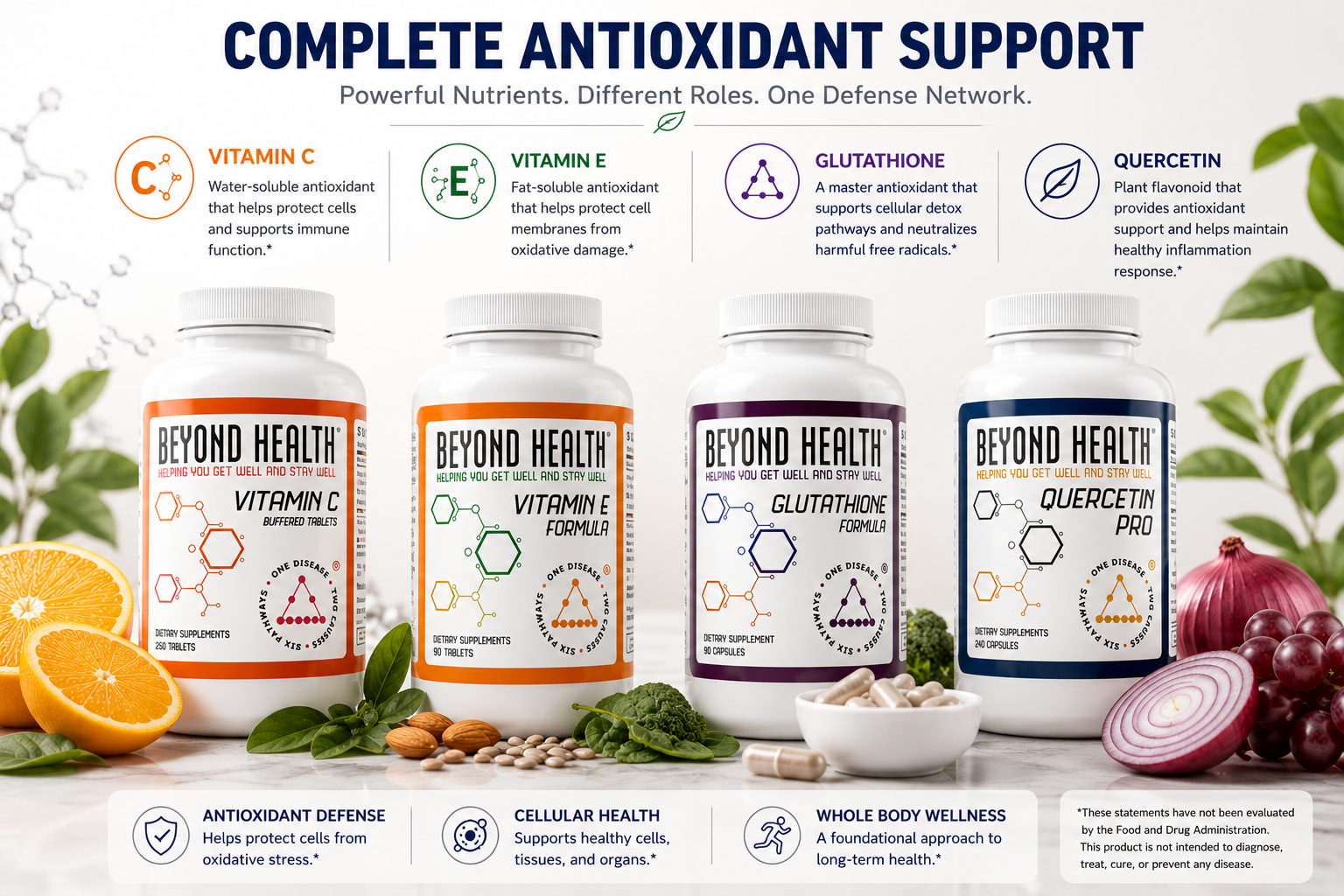
2. Choose Antioxidants for Their Different Roles
Throughout this article, we have seen that antioxidant defense involves a network.
Different nutrients can contribute in different ways:
• Vitamin C provides water-soluble antioxidant activity.
• Vitamin E provides fat-soluble antioxidant activity and helps protect lipids from oxidation.
• Glutathione participates directly in intracellular antioxidant defense.
• Selenium supports selenium-dependent antioxidant enzymes.
• Quercetin and other flavonoids provide plant-derived compounds with antioxidant activity.
• Coenzyme Q10 has antioxidant properties and also participates in mitochondrial energy production. The National Cancer Institute identifies both functions as important biological roles of CoQ10.
The goal is not to find the single "strongest" antioxidant. Your body uses different compounds for different purposes.
3. Avoid the "More Is Better" Trap
This is where many supplement routines become poorly designed.
Taking multiple antioxidant products at high doses does not automatically produce greater protection.
Research on high-dose antioxidant supplementation has produced mixed or negative results for preventing major chronic diseases. High-dose beta-carotene is particularly concerning for smokers and former smokers, while high-dose vitamin E has its own documented risks.
The NIH also points out that supplements can interact with medications or pose additional risks for people with certain medical conditions.
Use supplements to fill a purpose, not simply to accumulate more ingredients.
4. Be Careful With Medication Interactions
Natural does not mean interaction-free.
For example, NCCIH notes that CoQ10 may interact with warfarin and insulin, and antioxidant supplements may be inappropriate with certain cancer treatments.
Anyone taking prescription medication, preparing for surgery, undergoing cancer treatment, or managing a medical condition should discuss their supplement routine with their healthcare provider.
5. Build the Foundation First
Before worrying about which antioxidant supplement to buy, get the basics right.
Eat a varied diet. Exercise. Avoid tobacco. Get adequate nutrients. Then use supplements strategically where they make sense.
Supplements are designed to supplement the diet, and the amount of scientific evidence supporting individual supplement ingredients varies considerably.
Beyond Health Antioxidant Support
This is where we can bring the products together naturally.
Depending on someone's nutritional needs, Beyond Health offers several formulas containing nutrients or compounds involved in antioxidant defense:
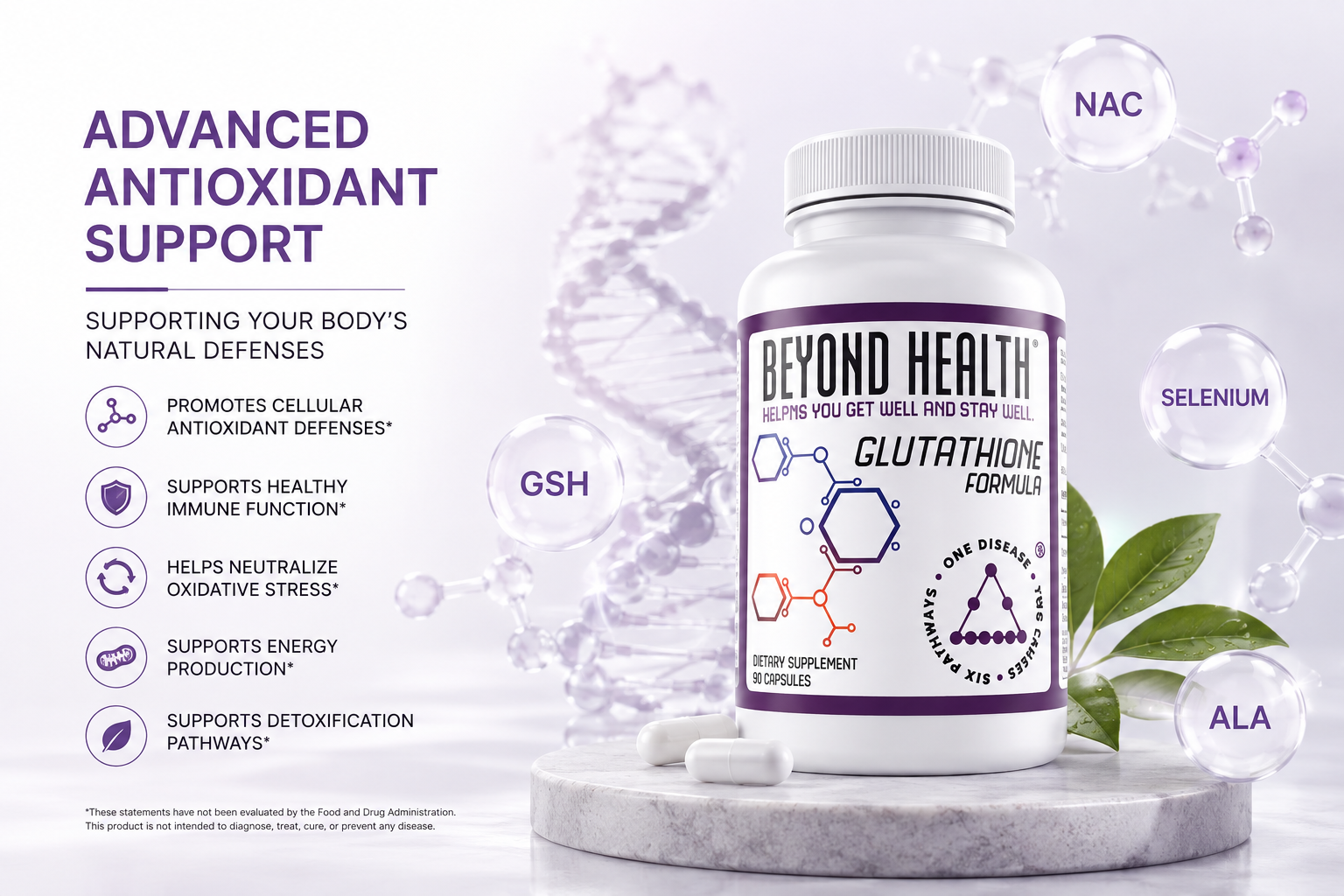
• Glutathione Formula, with reduced glutathione, NAC, alpha-lipoic acid, and selenium
Glutathione Formula - Cellular Detox & Immune Support
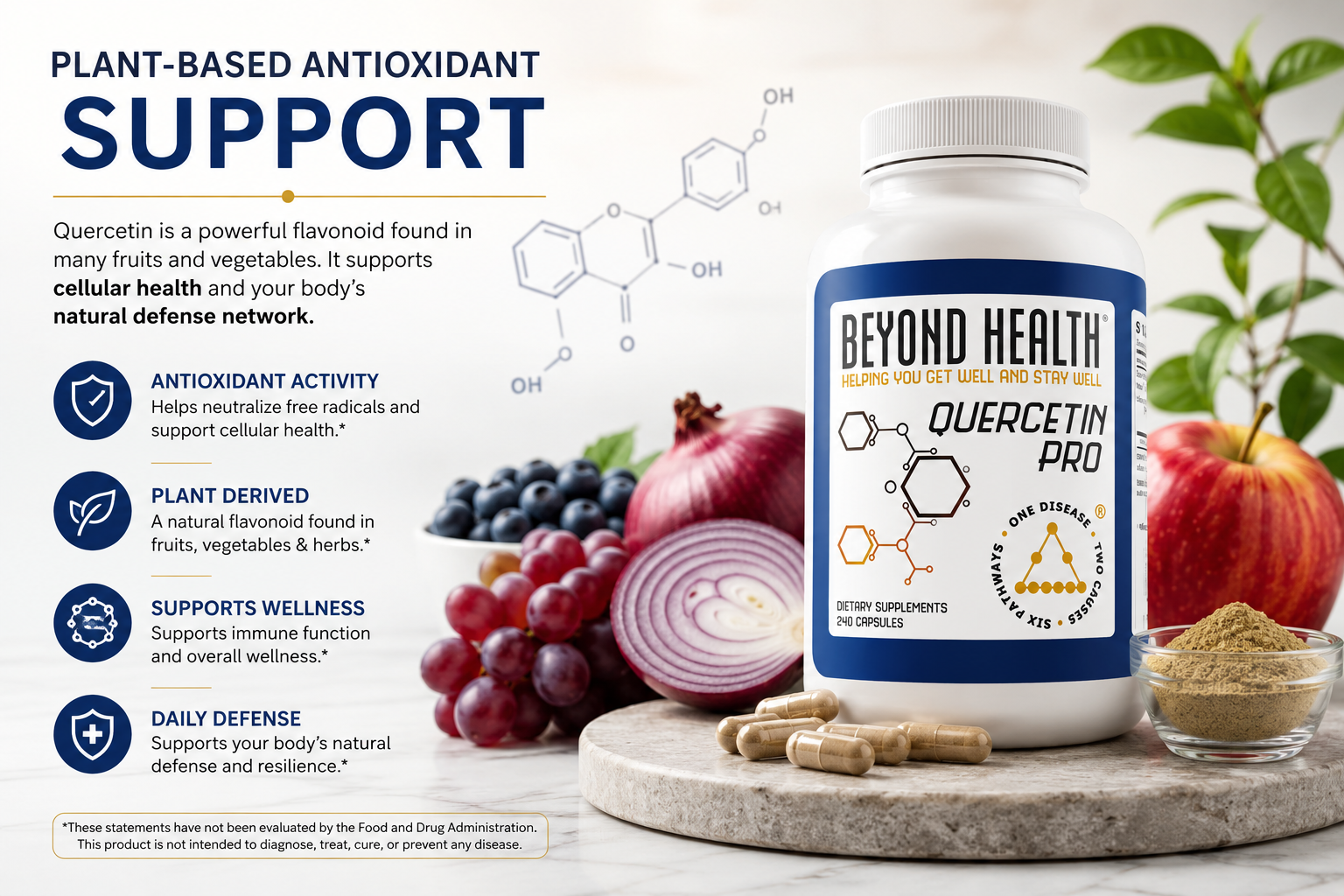
• Quercetin Pro, with quercetin, rutin, and whole grape extract
Quercetin Pro Supplements - Antioxidant Immune Boost
• Vitamin C, for vitamin C and antioxidant support
Boost Immunity with Vitamin C Buffered Tablets – 250 Count
• Vitamin E, a fat-soluble antioxidant nutrient
Boost Your Health with Vitamin E Supplement – 90 Tablets
• CoQ10, which participates in mitochondrial energy production and has antioxidant activity
Boost Energy with Our CoQ10 Supplement – 60 Softgels
The best antioxidant strategy is not about taking the largest number of supplements. It is about giving your body the right nutritional support while maintaining the diet and lifestyle habits that support normal cellular function.
Antioxidants and Cellular Health, The Bigger Picture
Antioxidants matter because your health depends on the health and function of your cells.
Every day, your cells produce energy, respond to signals, repair damage, process nutrients, and eliminate waste. Reactive oxygen species are a normal part of many of these processes.
Problems can arise when the production of reactive species exceeds the body's ability to regulate them. This imbalance is known as oxidative stress.
Oxidative stress can damage cellular components, including lipids, proteins, and DNA. It has also been studied extensively for its relationship with aging and numerous chronic diseases.
Your Body Already Has an Antioxidant Defense System
Your body is not defenseless against oxidation.
It produces its own antioxidant compounds and enzymes designed to regulate reactive molecules. These include systems involving:
• Glutathione
• Superoxide dismutase
• Catalase
• Glutathione peroxidase
Diet then provides additional antioxidant nutrients and compounds, including vitamin C, vitamin E, selenium, carotenoids, flavonoids, and polyphenols.
This creates an interconnected antioxidant defense system rather than a single line of protection.
Antioxidants Work Together
One of the biggest mistakes in antioxidant nutrition is searching for one "super antioxidant."
There is no single antioxidant that does everything.
Vitamin C operates differently from vitamin E. Glutathione has different functions from quercetin. Selenium itself is not an antioxidant molecule in the same way vitamin C is, but it is required for important antioxidant enzymes, including glutathione peroxidases.
This is why nutritional variety matters.
Your body benefits from having the raw materials required to maintain multiple antioxidant systems.
Antioxidants Are About Balance
Free radicals are often portrayed as substances that need to be eliminated completely.
That is inaccurate.
Reactive oxygen species also participate in cell signaling, immune responses, and normal physiological adaptation. Your body needs controlled amounts of them.
The goal is therefore not to eliminate oxidation.
The goal is to maintain an appropriate balance between reactive compounds and the systems responsible for controlling them.
That distinction matters because it explains why extremely high doses of isolated antioxidants are not automatically healthier.
Build Your Antioxidant Foundation
You do not need to make antioxidant support complicated.
Focus on a few fundamentals:
• Eat a varied diet containing fruits, vegetables, nuts, seeds, and other nutrient-rich foods.
• Consume adequate vitamins and minerals required for normal antioxidant systems.
• Exercise regularly and allow appropriate recovery.
• Avoid smoking and unnecessary exposure to environmental pollutants.
• Use supplements based on nutritional purpose, rather than assuming higher doses provide greater benefits.
The National Center for Complementary and Integrative Health notes that diets rich in fruits and vegetables are associated with health benefits, while studies of high-dose antioxidant supplements have generally not shown the same benefits for preventing chronic disease.
The Beyond Health Approach
At Beyond Health, our focus begins with cellular function and providing the body with the nutritional resources it needs to function normally.
Antioxidant nutrients are one part of that foundation.
Vitamin C, vitamin E, glutathione, quercetin, selenium, CoQ10, and antioxidant compounds from food all have different characteristics and roles.
The strongest approach is not finding one miracle antioxidant. It is building a nutritional environment that supports the body's own systems.
Final Takeaway
Oxidation is unavoidable. It is part of being alive.
Oxidative stress becomes a concern when the balance shifts too far and your protective systems cannot adequately keep up.
That is where nutrition matters.
A nutrient-rich diet, healthy lifestyle, and carefully selected supplementation can provide the compounds your body uses to maintain its natural antioxidant defenses.
And when you support those defenses, you are supporting something even more fundamental:
the health and normal function of your cells.