null G-5DLXE7JB0V

Why Am I Always Tired? The Cellular Science Behind Fatigue

Posted by Beyond Health on Jul 24th 2026

Why Am I Always Tired? The Cellular Science Behind Fatigue

Why Am I Always Tired? The Cellular Science Behind Fatigue

Discover the real causes of fatigue, what science says about cellular energy, and practical ways to support healthy energy production naturally.

Estimated Read Time
⏱️ 12–15 Minute Read

Last Updated

July 24, 2026

"You don't get healthy by treating disease. You get healthy by creating health."
— Raymond Francis

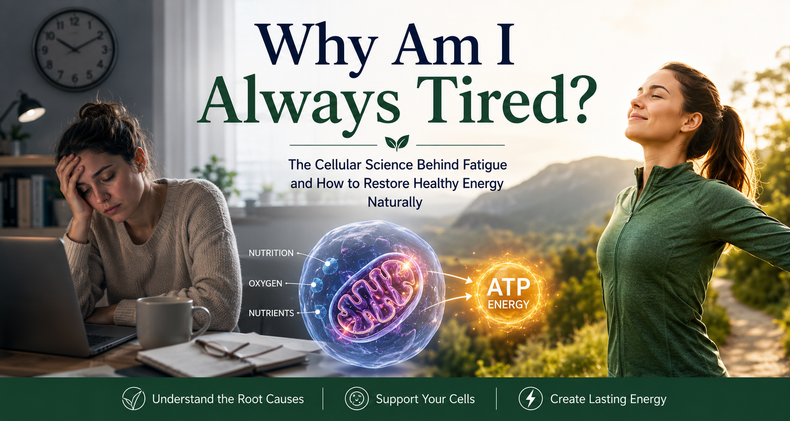
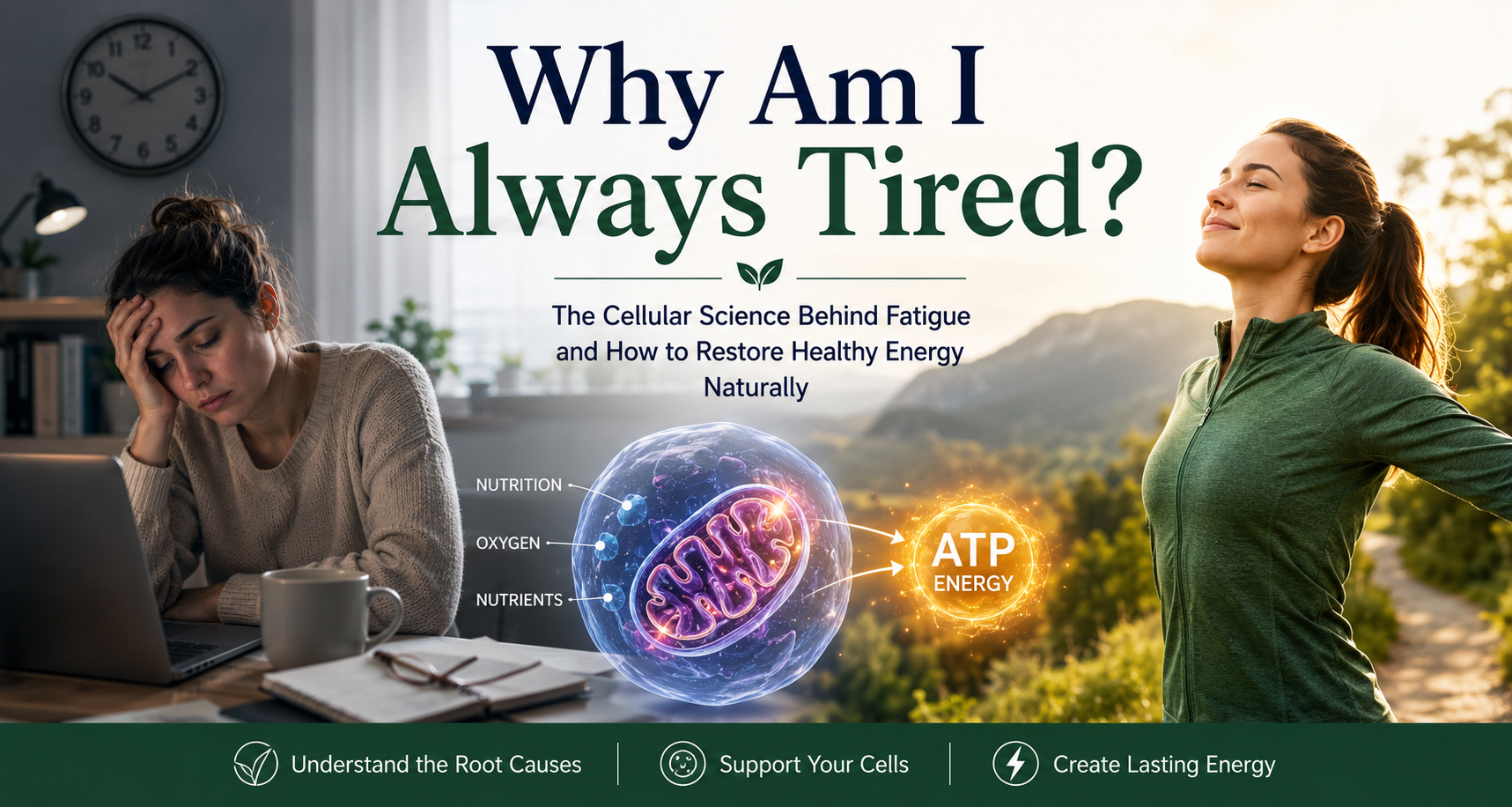
If you've ever found yourself wondering, "Why am I always tired?", you're not alone. Millions of people struggle with persistent fatigue, low energy, and brain fog every day. While it's easy to blame a busy schedule, getting older, or not getting enough sleep, constant fatigue isn't something you should simply accept as normal. In many cases, it's your body's way of telling you that something deeper deserves attention.

At Beyond Health, we've spent more than 30 years helping people understand that lasting health begins at the cellular level. Our founder, Raymond Francis, developed the revolutionary 1 Disease, 2 Causes, 6 Pathways model after years of researching why so many people suffer from chronic illness and declining health. His conclusion was both simple and profound: every chronic health problem begins with cell malfunction, caused by either deficiency or toxicity. When your cells don't receive the nutrients they need or become overwhelmed by harmful substances, they cannot function as efficiently as they were designed to—and that includes producing the energy your body relies on every second of every day.

Instead of asking, "What can I take to feel less tired?", we encourage a different question:

"What do my cells need to function at their best?"

That shift in perspective changes everything.

Rather than masking fatigue with caffeine, sugar, or temporary stimulants, the Beyond Health philosophy focuses on supporting your body's natural ability to create energy from within. Healthy cells produce healthy energy. When your body receives the right nutrition, minimizes toxic burden, and supports its essential biological pathways, you're giving your cells the foundation they need to perform at their highest potential.

In this guide, you'll learn the most common causes of fatigue, the science behind how your body creates energy, the role nutrition and lifestyle play in healthy cellular function, and practical steps you can take to support lasting vitality. We'll also explore current scientific research, answer frequently asked questions about fatigue, and show you how the Beyond Health approach can help you build a stronger foundation for lifelong wellness.

Whether you're experiencing occasional afternoon slumps or you've been asking yourself, "Why am I tired all the time?", understanding the root causes is the first step toward creating lasting energy and better health.

Why You're Tired: Understanding the Root Causes of Fatigue

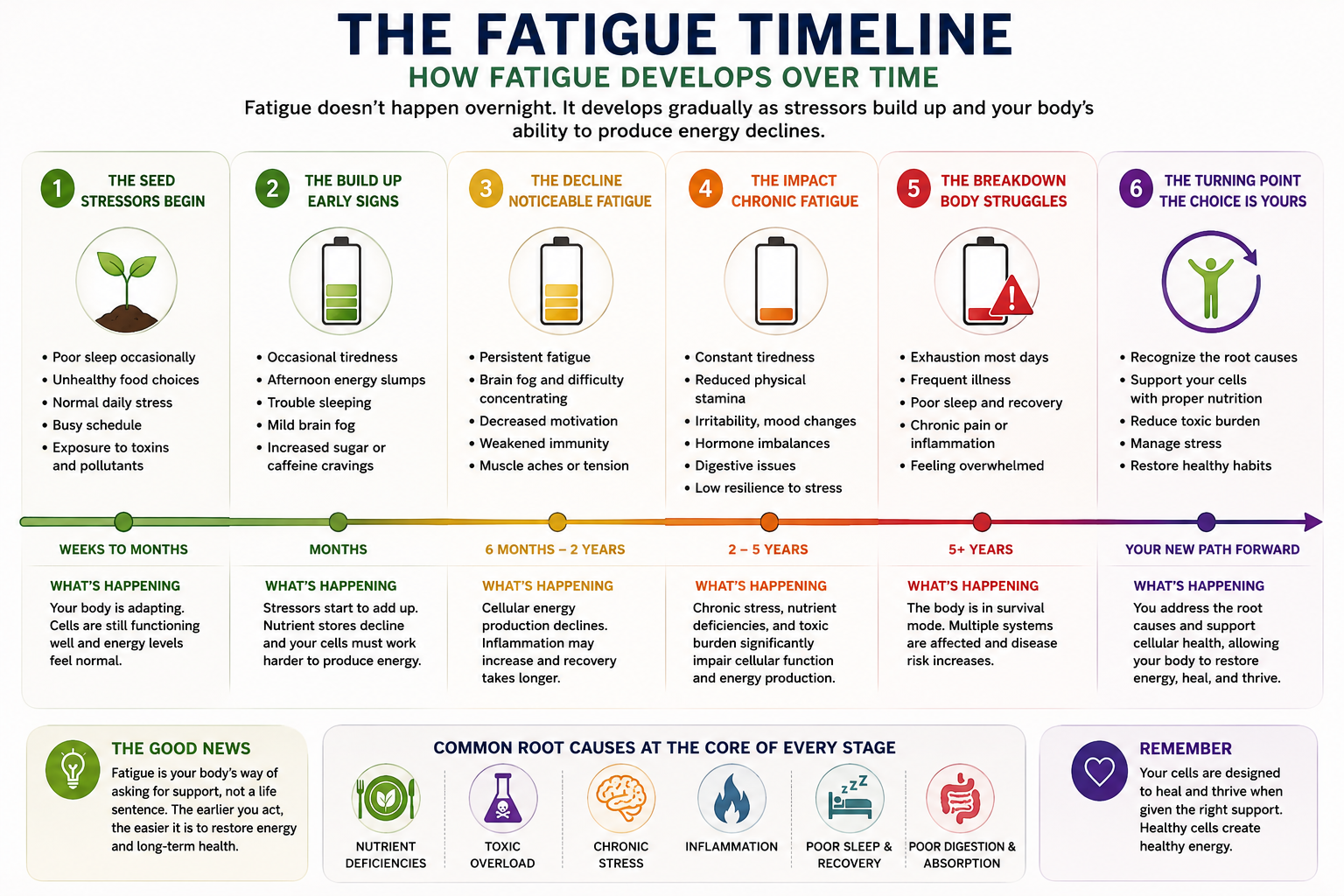
Feeling tired after a long day or a poor night's sleep is completely normal. However, if you find yourself constantly asking, "Why am I always tired?", your body may be trying to tell you something important. Persistent fatigue is one of the most common health concerns people experience, affecting millions of adults every year. While occasional tiredness is expected, ongoing low energy, brain fog, or exhaustion shouldn't simply be accepted as a normal part of life.

Fatigue isn't a disease—it's a symptom. Like pain or a fever, it's your body's way of signaling that something isn't functioning as it should. Too often, people respond by reaching for another cup of coffee, an energy drink, or a sugary snack. While these may provide a temporary boost, they rarely address the underlying reason your energy is low. Instead of masking fatigue, it's important to understand what's preventing your body from producing energy efficiently in the first place.

There are many potential causes of fatigue, and in many cases, more than one factor is involved. Some of the most common contributors include:

  • Poor sleep quality or insufficient sleep
  • Nutrient deficiencies, including B vitamins, magnesium, iron, and vitamin D
  • Chronic stress and elevated cortisol levels
  • Persistent inflammation
  • Blood sugar imbalances
  • Dehydration
  • Poor digestive health and reduced nutrient absorption
  • Physical inactivity
  • Environmental toxins and oxidative stress
  • Certain medical conditions or medications

While each of these factors can affect your energy levels, they all have one thing in common: they influence how well your cells function. Every heartbeat, every breath, every muscle contraction, and every thought requires energy that is produced inside your cells. When your cells don't receive the nutrients they need—or are burdened by inflammation, stress, or toxins—they become less efficient at producing the energy your body depends on.

This is why simply treating fatigue isn't enough. Lasting energy comes from identifying and addressing the root causes that are preventing your body from functioning at its best. At Beyond Health, we believe the goal isn't just to feel more energized today—it's to create the conditions that allow your cells to produce healthy energy every day.

In the next section, we'll explore Raymond Francis' 1 Disease, 2 Causes, 6 Pathways philosophy and explain why cellular health is the foundation of lasting energy and overall wellness.
The Beyond Health Perspective: 1 Disease, 2 Causes, 6 Pathways

For decades, the healthcare system has largely focused on diagnosing and treating individual diseases. One medication may be prescribed for high blood pressure, another for diabetes, and another for chronic fatigue. While these treatments often address symptoms, they don't always answer a more fundamental question:

Why did the problem develop in the first place?

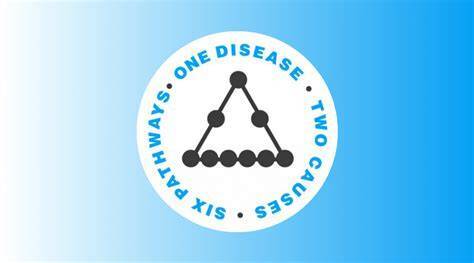
Raymond Francis, founder of Beyond Health, spent years researching this question and arrived at a revolutionary conclusion that changed the way many people think about health. His philosophy is known as 1 Disease, 2 Causes, 6 Pathways.

At the heart of this model is a simple idea:

There is only one disease: cell malfunction.

Every tissue, organ, and system in your body is made up of trillions of cells. When those cells function properly, your body has the ability to repair itself, defend against illness, and produce the energy needed for everyday life. When cells begin to malfunction, however, symptoms can appear long before a disease is ever diagnosed.

According to Raymond Francis, every instance of cell malfunction is caused by one or both of two root causes:

1. Deficiency

Your cells require a constant supply of vitamins, minerals, healthy fats, amino acids, antioxidants, and other nutrients to function efficiently. Modern diets, processed foods, depleted soils, and increased nutritional demands can leave many people lacking the essential building blocks their bodies need. Without adequate nutrition, your cells cannot produce energy, repair damage, or communicate effectively.

2. Toxicity

At the same time, our bodies are exposed to more toxins than ever before. Environmental pollutants, processed foods, heavy metals, chemicals, and even the natural byproducts of metabolism can place additional stress on our cells. While the body has remarkable detoxification systems, excessive toxic burden may interfere with normal cellular function if those systems become overwhelmed.

Together, deficiency and toxicity influence what Raymond Francis called the Six Pathways to Health:

  • Nutrition
  • Toxins
  • Psychological factors
  • Physical factors
  • Genetic factors
  • Medical factors

Each pathway plays a role in determining how well your cells function. Rather than viewing fatigue as an isolated problem, the Beyond Health philosophy encourages looking at the whole person. Are your cells receiving the nutrients they need? Are they protected from unnecessary toxic stress? Are lifestyle habits supporting or interfering with healthy cellular function?

When you begin asking those questions, fatigue becomes more than a symptom to cover up. It becomes valuable feedback that your body may need additional support.

This perspective doesn't replace medical care or ignore underlying health conditions. Instead, it provides a framework for understanding why healthy cells are the foundation of lasting wellness. Whether your goal is more energy, sharper focus, better digestion, or healthy aging, supporting cellular health remains the common denominator.

Learn more about the Beyond Health Model - Beyond Health ― Our Story ― The Company - Beyond Health


What Science Says About Fatigue and Cellular Energy

Modern research continues to reinforce what Raymond Francis emphasized for decades: healthy cells are essential for healthy energy production. While fatigue can have many causes, scientists increasingly recognize that cellular function plays a central role in how energetic we feel.

Every second of every day, your body produces energy in the form of adenosine triphosphate (ATP). ATP is often called the body's "energy currency" because it powers virtually every biological process—from muscle contractions and brain activity to digestion, immune function, and tissue repair.

The majority of ATP is produced inside tiny structures called mitochondria, often referred to as the "powerhouses" of the cell. These microscopic organelles convert the food you eat and the oxygen you breathe into usable energy. When mitochondria function efficiently, your cells can meet the demands of daily life. When they're impaired by nutrient deficiencies, oxidative stress, inflammation, or illness, energy production may decline.

Research published by the National Institutes of Health describes mitochondria as essential to cellular energy metabolism while also playing critical roles in signaling, immune function, and cellular repair. Because every organ depends on healthy mitochondria, even small reductions in cellular efficiency can influence how energized you feel throughout the day. National Institutes of Health - Mitochondria Dysfunction and Fatigue

Scientists have also explored the relationship between mitochondrial function and fatigue. A review published in BBA Clinical analyzed multiple studies investigating fatigue across different health conditions and found consistent evidence that mitochondrial dysfunction may contribute to persistent fatigue. The review also noted that reduced levels of Coenzyme Q10 (CoQ10)—a nutrient involved in mitochondrial energy production—were frequently associated with increased fatigue in several populations. BBA - Mitochondria Dysfunction and Fatigue

Nutrition also plays a vital role in healthy energy metabolism. B vitamins help convert carbohydrates, fats, and proteins into usable cellular energy. Magnesium participates in hundreds of enzymatic reactions throughout the body, including many involved in ATP production. Iron supports oxygen transport to tissues, while antioxidants help protect cells from oxidative stress that can damage mitochondrial function over time.

Inflammation is another important consideration. Although inflammation is a normal part of the body's healing process, chronic low-grade inflammation requires significant energy and may place additional demands on your cells. Rather than focusing on a single cause, researchers increasingly recognize that fatigue often develops from multiple interacting factors affecting cellular health.

The scientific community continues to study these relationships, but one message remains clear: healthy energy depends on healthy cells. Supporting your body with proper nutrition, regular physical activity, quality sleep, stress management, and a healthy lifestyle provides the foundation your cells need to perform their best.

In the next section, we'll explore practical ways to support healthy cellular energy through nutrition, lifestyle habits, and targeted supplementation as part of a comprehensive wellness routine.


How to Support Healthy Energy Naturally

Once you understand that healthy energy begins at the cellular level, the next question becomes: What can you do to support your body's natural energy production?

While there's no single solution for fatigue, creating healthy energy starts with giving your cells the nutrients, environment, and lifestyle they need to function optimally. Rather than relying on temporary stimulants, focus on building a strong foundation that supports your body every day.

Build Your Foundation with Good Nutrition

Every cell in your body depends on a steady supply of essential nutrients. A diet rich in whole foods—including vegetables, fruits, quality proteins, healthy fats, and minimally processed carbohydrates—provides many of the vitamins and minerals your cells need to produce energy.

Even with a healthy diet, many people struggle to meet all of their nutritional needs due to busy lifestyles, depleted soils, food processing, or increased nutrient demands. This is where high-quality supplementation can help fill nutritional gaps and support overall wellness.

Prioritize Restorative Sleep

Sleep is when your body repairs tissues, regulates hormones, and restores energy. Adults should aim for seven to nine hours of quality sleep each night. Creating a consistent sleep schedule, limiting screen time before bed, and maintaining a relaxing bedtime routine can all contribute to better rest.

Manage Chronic Stress

Stress isn't just emotional—it affects your entire body. Long-term stress can influence sleep quality, hormone balance, digestion, and inflammation, all of which impact cellular function. Daily habits such as walking, prayer or meditation, deep breathing, and regular exercise can help support a healthier response to stress.

Stay Active

Regular movement improves circulation, supports cardiovascular health, and encourages healthy mitochondrial function. You don't need intense workouts every day. Even a daily walk or moderate strength training routine can make a meaningful difference in your overall energy levels.

Stay Hydrated

Water is involved in nearly every process within the body, including nutrient transport and cellular metabolism. Even mild dehydration may contribute to feelings of fatigue. Drinking adequate water throughout the day is one of the simplest ways to support healthy energy production.

Support Your Cells with Quality Supplements

At Beyond Health, we believe supplements should complement a healthy lifestyle—not replace one. Our formulas are designed to help provide the nutrients your cells need to function at their best.

Some of our foundational products for supporting healthy cellular energy include:

Multivitamin

A high-quality multivitamin provides broad nutritional support to help fill common dietary gaps and promote overall wellness.

Beyond Health Multivitamin: Immune & Energy Support

Vitamin B Complex

B vitamins play an essential role in converting the food you eat into usable cellular energy and supporting normal nervous system function.

Boost Energy with Vitamin B Complex Supplement 200 Caps

Magnesium

Magnesium is involved in hundreds of biochemical reactions throughout the body, including many related to energy metabolism, muscle function, and relaxation.

Magnesium Supplement for Nerves, Muscles & Energy (2025)

CoQ10

Coenzyme Q10 supports mitochondrial function and helps cells produce the energy required for normal daily activities. Discover Why Your Heart Needs CoQ10 for Health - Beyond Health

Cell Repair

Cell Repair is designed to support healthy cellular function and complement a wellness routine focused on long-term vitality.

Revitalize Your Skin with Our Cell Repair Formula

No supplement can replace healthy habits, but when combined with proper nutrition, quality sleep, regular exercise, and stress management, targeted nutritional support can help create the conditions your body needs to produce healthy energy naturally.

Beyond Health: Premium Vitamins & Supplements 


Frequently Asked Questions About Fatigue

Why am I always tired, even after getting enough sleep?

Sleep is only one piece of the puzzle. Nutrient deficiencies, chronic stress, inflammation, poor digestion, blood sugar fluctuations, medications, and underlying medical conditions can all contribute to persistent fatigue. If fatigue is severe, persistent, or unexplained, it's important to consult your healthcare provider.


Can vitamin deficiencies cause fatigue?

Yes. Vitamins and minerals such as B vitamins, magnesium, iron, and vitamin D play important roles in normal energy metabolism. Inadequate intake or poor absorption may contribute to low energy in some individuals. Vitamin D – Many Don’t Know They’re Deficient - Beyond Health


What is the most common cause of fatigue?

There isn't one single cause. Fatigue is often the result of multiple factors working together, including poor sleep, chronic stress, inadequate nutrition, lack of physical activity, dehydration, illness, or underlying health conditions.


Does inflammation make you feel tired?

It can. Inflammation is part of the body's normal healing response, but ongoing inflammation may increase your body's energy demands and contribute to feelings of fatigue in some people.

Are You Suffering from Silent Inflammation? - Beyond Health


How do mitochondria affect energy?

Mitochondria are responsible for producing ATP, the primary source of energy used by your cells. Healthy mitochondrial function is essential for supporting normal physical and mental energy.


Does CoQ10 help with energy?

CoQ10 plays an important role in mitochondrial energy production. Research has explored its relationship with fatigue and healthy cellular function, although results vary depending on the population studied.


Can stress make you feel physically exhausted?

Absolutely. Chronic stress can affect hormone balance, sleep quality, inflammation, and recovery, all of which influence how energetic you feel throughout the day.


What foods help support healthy energy?

A balanced diet rich in vegetables, fruits, lean proteins, healthy fats, whole grains, and adequate hydration provides many of the nutrients your body needs to produce energy efficiently.


Are supplements a replacement for healthy habits?

No. Supplements are designed to complement—not replace—a healthy diet, regular exercise, quality sleep, and other healthy lifestyle habits. Want to Establish a New Habit? Start Small - Beyond Health


When should I talk to my doctor about fatigue?

If your fatigue lasts for several weeks, interferes with daily life, appears suddenly, or is accompanied by symptoms such as unexplained weight loss, chest pain, shortness of breath, fever, or severe weakness, seek medical evaluation. Persistent fatigue may be a sign of an underlying condition that requires diagnosis and treatment.