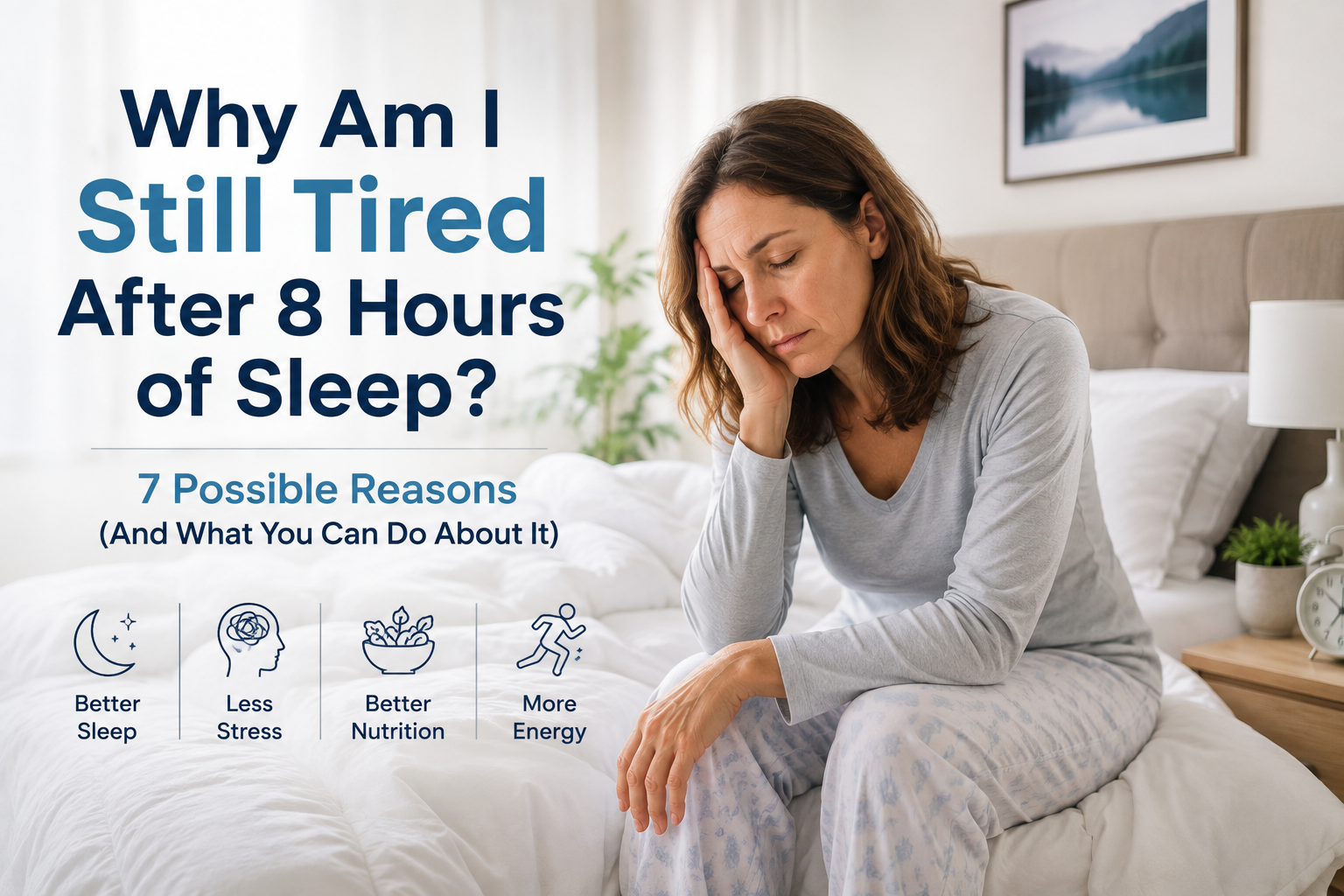
You went to bed at a reasonable time. You got your eight hours. Your alarm goes off, and somehow you still feel exhausted.
Sound familiar?
Getting enough sleep is important, but the number of hours you spend in bed isn't the only factor that determines how rested you feel.
Sleep quality, stress, nutrition, physical activity, your sleep schedule, and underlying health issues can all affect your energy.
So if you've been wondering, "Why am I still tired after 8 hours of sleep?", the answer may have less to do with sleeping longer and more to do with what's happening while you sleep and throughout the rest of your day.
Here are 7 possible reasons you're waking up tired and practical steps that may help.
Why Am I Always Tired? The Cellular Science Behind Fatigue - Beyond Health
1. You're Getting Enough Sleep, But Not Enough Quality Sleep
Eight hours in bed doesn't necessarily equal eight hours of restorative sleep.
Your body moves through different stages of sleep throughout the night. Frequent interruptions can affect how restorative your sleep feels, even if you don't remember waking up.
Things that may interfere with sleep quality include:
- A bedroom that's too warm
- Light or noise
- Alcohol close to bedtime
- Eating large meals late at night
- Screen use before bed
- Frequent awakenings
- An inconsistent bedtime
Sleep duration matters, but sleep quality matters too.
Stress, Sleep & Nutrients: Beyond Health's Guide (2026)
Quick Tip
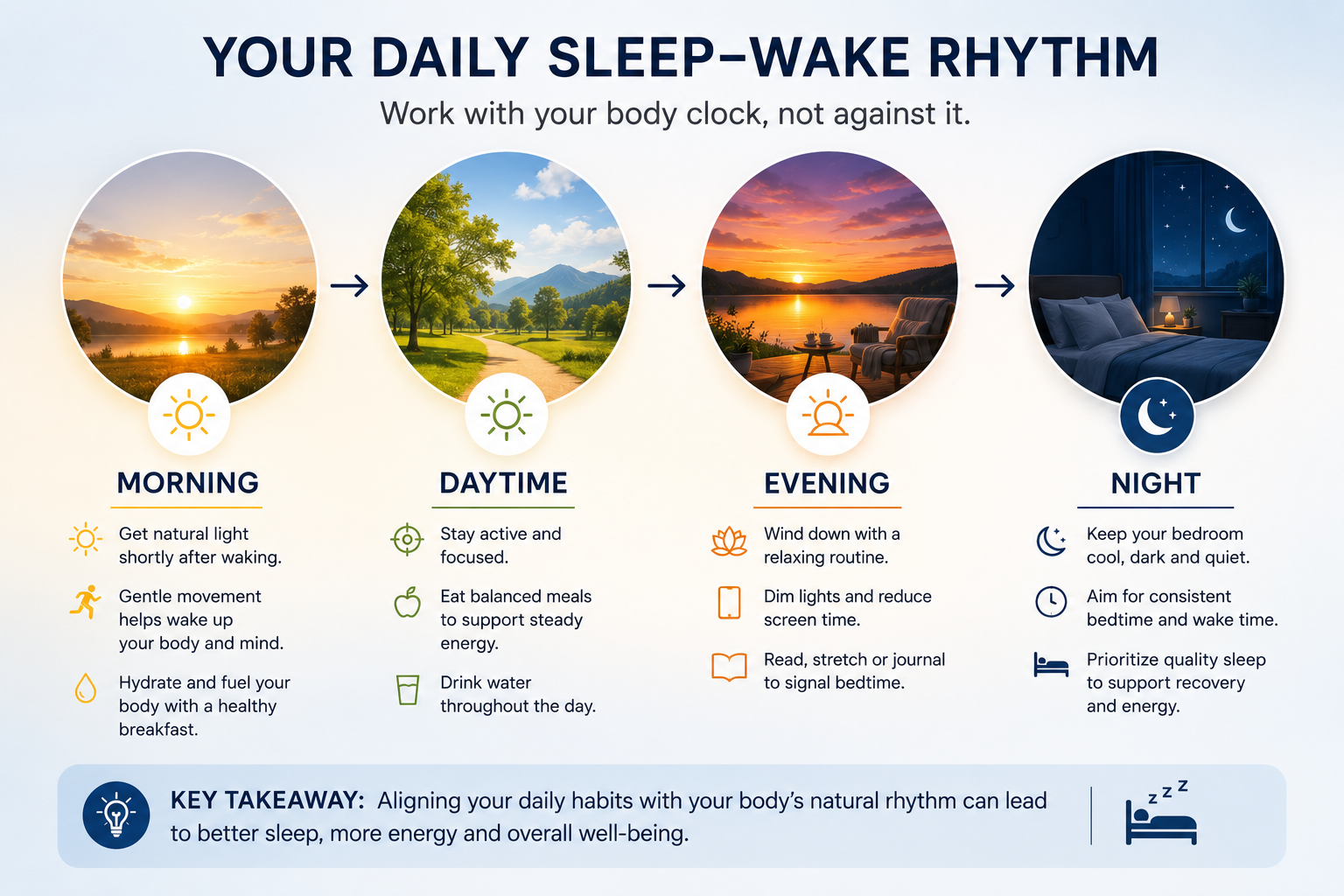
Try keeping your bedroom cool, dark and quiet, and maintain a relatively consistent sleep and wake time.
2. Your Sleep Schedule Is Inconsistent
Your body doesn't only respond to how much you sleep. It also responds to when you sleep.
Your internal body clock, commonly called your circadian rhythm, helps regulate your natural sleep-wake cycle.
Going to bed at 10 p.m. one night, midnight the next and 1 a.m. the following night can disrupt that consistency even if you technically get enough total sleep.
What Can Help?
- Go to bed around the same time each night
- Wake around the same time each morning
- Get natural light after waking
- Reduce bright light late at night
- Avoid dramatically changing your schedule on weekends
3. Stress May Be Affecting Your Sleep
You can technically be asleep for eight hours without necessarily experiencing eight hours of deep, restorative sleep.
Stress can make it difficult to wind down at night and may contribute to disrupted sleep.
Signs You May Not Be Fully Winding Down
- Racing thoughts at bedtime
- Difficulty falling asleep
- Frequently waking during the night
- Difficulty falling back asleep
- Feeling tense before bed
- Waking without feeling refreshed
Creating a consistent evening routine can help signal that it's time to slow down.
Try reading, gentle stretching, breathing exercises, journaling or simply putting your phone away before bed.
4. Your Diet May Be Affecting Your Energy
If you're tired throughout the day, sleep may only be part of the equation.
Your body also needs adequate nutrition and hydration to function normally.
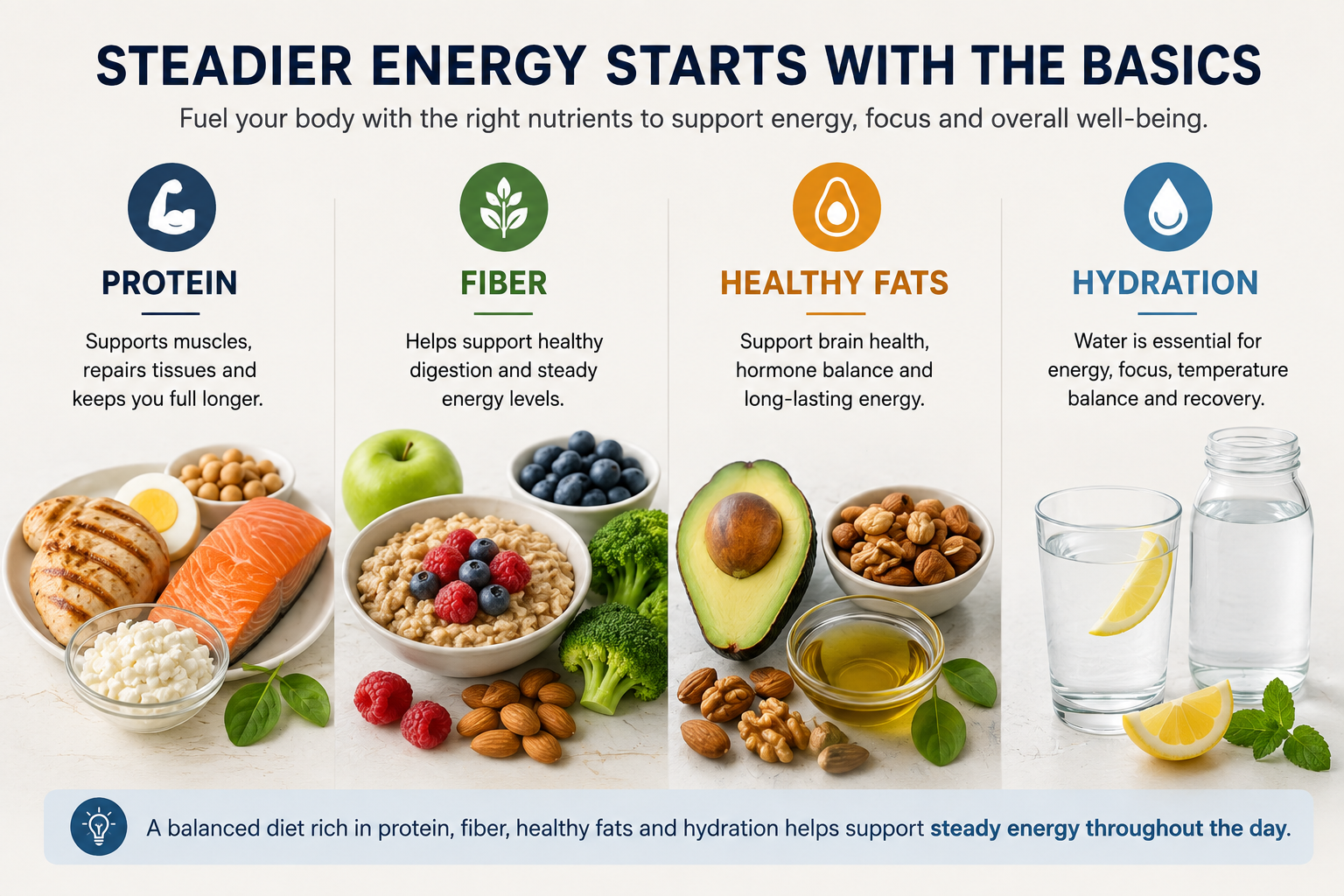
A healthy dietary foundation includes adequate:
- Protein
- Fiber
- Healthy fats
- Vitamins and minerals
- Water
- Overall calories
Highly refined carbohydrates and foods or beverages containing large amounts of added sugar can also contribute to rapid changes in blood glucose.
Balanced meals containing protein, fiber and healthy fats can help support steadier energy throughout the day.
What About Sugary Drinks?
Beyond Health: Health Tips & Supplement Insights Blog
Sugary drinks can add surprisingly large amounts of added sugar to your diet without making you feel particularly full.
5. You May Not Be Getting Enough of Certain Nutrients
This is probably the most important section for Beyond Health commercially, but we need to avoid making it feel like an advertisement.
Food should be the foundation of your nutrient intake. However, certain vitamins and minerals play important roles in normal energy metabolism, nervous system function and overall health.
Magnesium
Magnesium is involved in hundreds of enzymatic reactions throughout the body and contributes to normal muscle function, nerve function and energy metabolism.
B Vitamins
B vitamins play important roles in helping your body use the energy contained in food and support numerous cellular processes.
Vitamin B12 deserves particular attention because inadequate B12 can contribute to certain types of anemia and associated fatigue.
Vitamin D
Vitamin D is best known for supporting bone health, but it also plays important roles throughout the body.
People with limited sun exposure, older adults and certain other groups may be at greater risk of inadequate vitamin D status.
Iron
Iron is necessary for the production of hemoglobin, which helps transport oxygen throughout the body.
Iron deficiency can contribute to fatigue, but iron isn't a supplement everyone should automatically take.
If iron deficiency is suspected, appropriate testing and medical guidance are important.
4 NUTRIENTS INVOLVED IN ENERGY & HEALTH
Magnesium
Energy metabolism + muscle & nerve functionB Vitamins
Normal energy metabolismVitamin D
Bone + immune healthIron
Normal oxygen transportNutrients work together as part of an overall healthy diet.
6. You're Not Moving Enough During the Day
When you're tired, exercise may be the last thing you feel like doing.
Health Benefits of Physical Activity for Adults | Physical Activity Basics | CDC
But regular physical activity supports cardiovascular health, metabolic health, mood and sleep.
You don't need to start with an intense workout.
Start Simple
Try:
10-minute walk after lunch
10-minute walk after dinner
That's 20 minutes of additional movement every day without needing to completely change your schedule.
7. There May Be an Underlying Reason You're Tired
Persistent fatigue shouldn't automatically be blamed on poor sleep or nutrition.
Feeling tired despite adequate sleep can sometimes be associated with issues such as:
- Sleep apnea
- Anemia
- Thyroid disorders
- Nutrient deficiencies
- Medication effects
- Mental health conditions
- Other underlying health issues
When Should You Talk to Your Doctor?
If you're consistently getting adequate sleep but still feel unusually tired, especially if the fatigue is new, severe, worsening or interfering with your daily life, talk with a qualified healthcare professional.
How to Wake Up Feeling More Refreshed
Try These 8 Habits
1. Keep a consistent sleep and wake schedule.
2. Get natural light shortly after waking.
3. Keep your bedroom cool, dark and quiet.
4. Reduce screen time before bed.
5. Avoid caffeine too late in the day.
6. Eat a nutrient-dense, balanced diet.
7. Stay physically active.
8. Address persistent fatigue with your healthcare provider.
Can Supplements Help If You're Always Tired?
Supplements can help fill nutritional gaps, but they aren't a substitute for adequate sleep, good nutrition or addressing an underlying health problem.
Nutrients Worth Understanding
Magnesium
Supports normal muscle and nerve function and energy metabolism.Magnesium Supplement for Nerves, Muscles & Energy (2025)
Vitamin D3
Supports healthy bones, immune function and other physiological processes.Boost Your Health with Vitamin D3 Supplement – 5000 IU
B-Vitamin Support
Supports normal cellular and energy metabolism.Boost Energy with Vitamin B Complex Supplement 200 Caps
Frequently Asked Questions
Why am I tired even though I slept 8 hours?
Getting eight hours doesn't necessarily mean you're getting high-quality restorative sleep. Sleep interruptions, inconsistent schedules, stress, lifestyle factors, nutrition and certain health conditions can all contribute to feeling tired.
Why do I wake up tired every morning?
Poor sleep quality, an inconsistent sleep schedule, lifestyle factors and certain underlying health conditions can contribute to morning fatigue.
Can vitamin deficiencies make you feel tired?
Yes. Certain nutrient deficiencies can contribute to fatigue, including deficiencies involving iron or vitamin B12. Appropriate testing can help determine whether a deficiency is present.
Does magnesium help with tiredness?
Magnesium is essential for numerous cellular processes and normal energy metabolism. However, fatigue has many possible causes, so magnesium shouldn't be viewed as a universal treatment for tiredness.
Why am I more tired after sleeping longer?
Sleeping longer doesn't necessarily mean sleeping better. Sleep timing, sleep fragmentation and when you wake within your sleep cycle can influence how you feel upon waking.
The Bottom Line
If you're still tired after eight hours of sleep, don't focus only on getting more sleep. Focus on getting better sleep and supporting the systems that influence your energy throughout the day.
Start with the foundations:
Consistent sleep. Morning light. Regular movement. Proper hydration. Nutrient-dense foods. Healthy stress management.
And if you're consistently exhausted despite getting adequate sleep, don't simply try to push through it. Persistent fatigue deserves attention.
Build Your Nutritional Foundation
Beyond Health has spent decades focusing on high-quality nutritional support designed to complement the foundations of a healthy lifestyle.