

For many people, the words blood sugar immediately bring diabetes to mind. While blood sugar management is an essential part of diabetes care, maintaining healthy blood sugar is important for everyone. Every cell in your body depends on glucose for energy, and how efficiently your body manages that glucose can influence how you feel each day.
When blood sugar rises and falls rapidly, you may experience fatigue, brain fog, increased hunger, sugar cravings, difficulty concentrating, or changes in mood. Over time, consistently poor blood sugar regulation can place additional stress on your body's normal metabolic processes and overall health.
The encouraging news is that healthy blood sugar is influenced by many everyday choices. Eating balanced meals, staying physically active, getting adequate sleep, managing stress, and maintaining a nutrient-rich diet all work together to support your body's natural ability to regulate blood sugar.
In this guide, we'll explore what blood sugar is, how your body regulates it, why it matters far beyond diabetes, and practical ways you can support healthy blood sugar as part of a long-term wellness strategy.
Why Am I Always Tired? The Cellular Science Behind Fatigue - Beyond Health
What Is Blood Sugar?
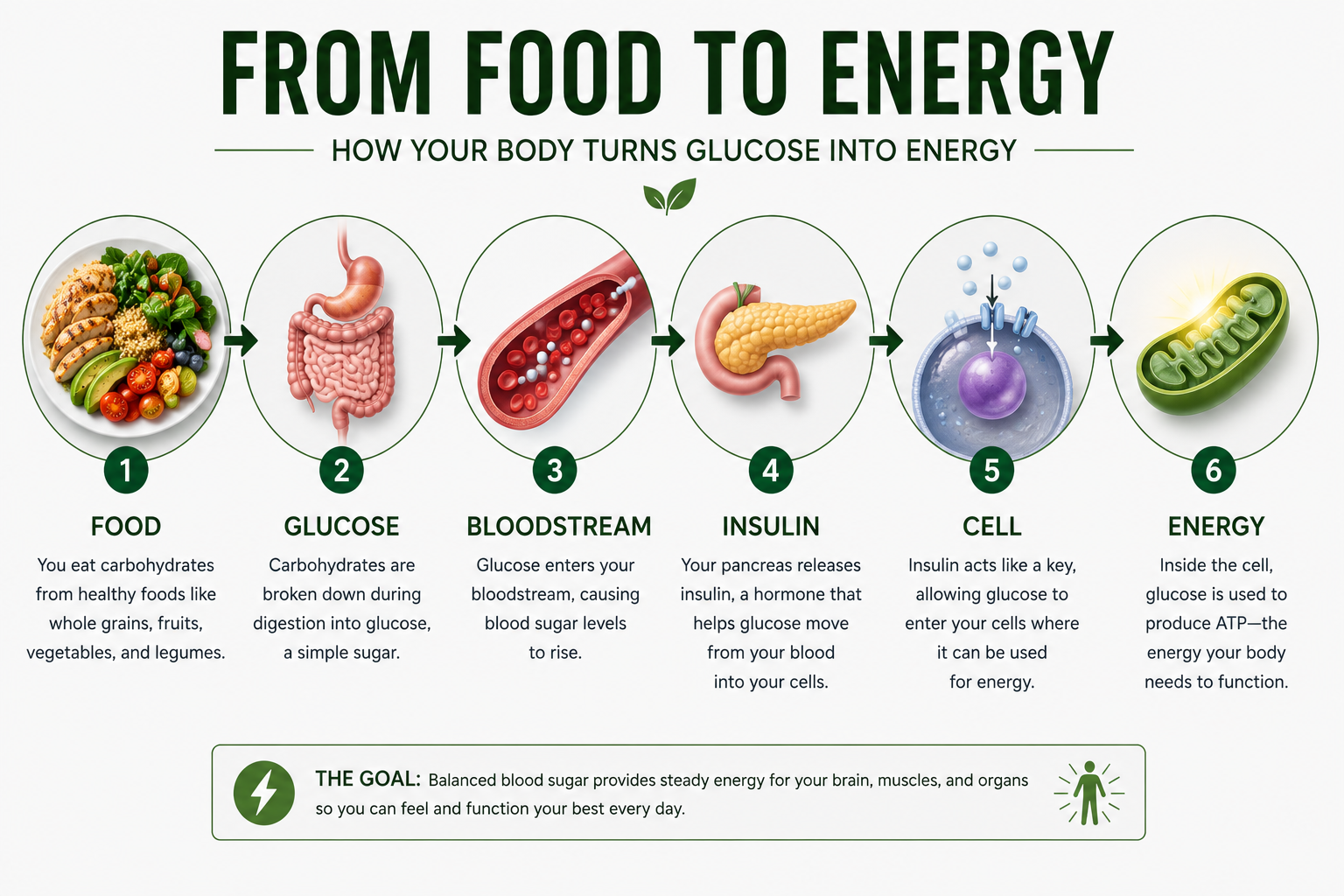
Blood sugar, also known as blood glucose, is the primary source of energy for your body's cells. Glucose comes from the carbohydrates you eat, including fruits, vegetables, whole grains, legumes, dairy products, and even some processed foods. As these foods are digested, carbohydrates are broken down into glucose and absorbed into your bloodstream.
Once glucose enters your bloodstream, it is transported throughout your body to provide energy for nearly every organ and tissue. Your brain relies heavily on glucose to support memory, focus, and concentration, while your muscles use it to fuel movement and physical activity. Every heartbeat, every breath, and every cell in your body depends on a steady supply of glucose to function properly.
However, simply having glucose in your bloodstream isn't enough. Your cells need help accessing it. That's where insulin comes in. Insulin is a hormone produced by the pancreas that acts like a key, allowing glucose to move from your bloodstream into your cells where it can be converted into energy.
When this system functions efficiently, your body maintains blood sugar within a healthy range. Glucose enters your cells as needed, providing steady energy throughout the day without significant highs or lows.
Problems can arise when blood sugar rises too quickly after meals or remains elevated for extended periods. Large spikes are often followed by rapid drops, which can leave you feeling tired, hungry, unfocused, or craving more sugary foods. Repeating this cycle over time can place additional stress on your body's normal metabolic processes.
Maintaining healthy blood sugar isn't about eliminating carbohydrates or avoiding every sweet treat. Instead, it's about giving your body the nutrients and lifestyle support it needs to regulate glucose efficiently and provide your cells with a steady, reliable source of energy.
For most healthy individuals, balanced nutrition, regular physical activity, quality sleep, stress management, and maintaining a healthy body weight all play important roles in supporting healthy blood sugar.
National Institute of Diabetes and Digestive and Kidney Diseases (NIDDK)
How to Lower Blood Pressure - Beyond Health
How Your Body Regulates Blood Sugar
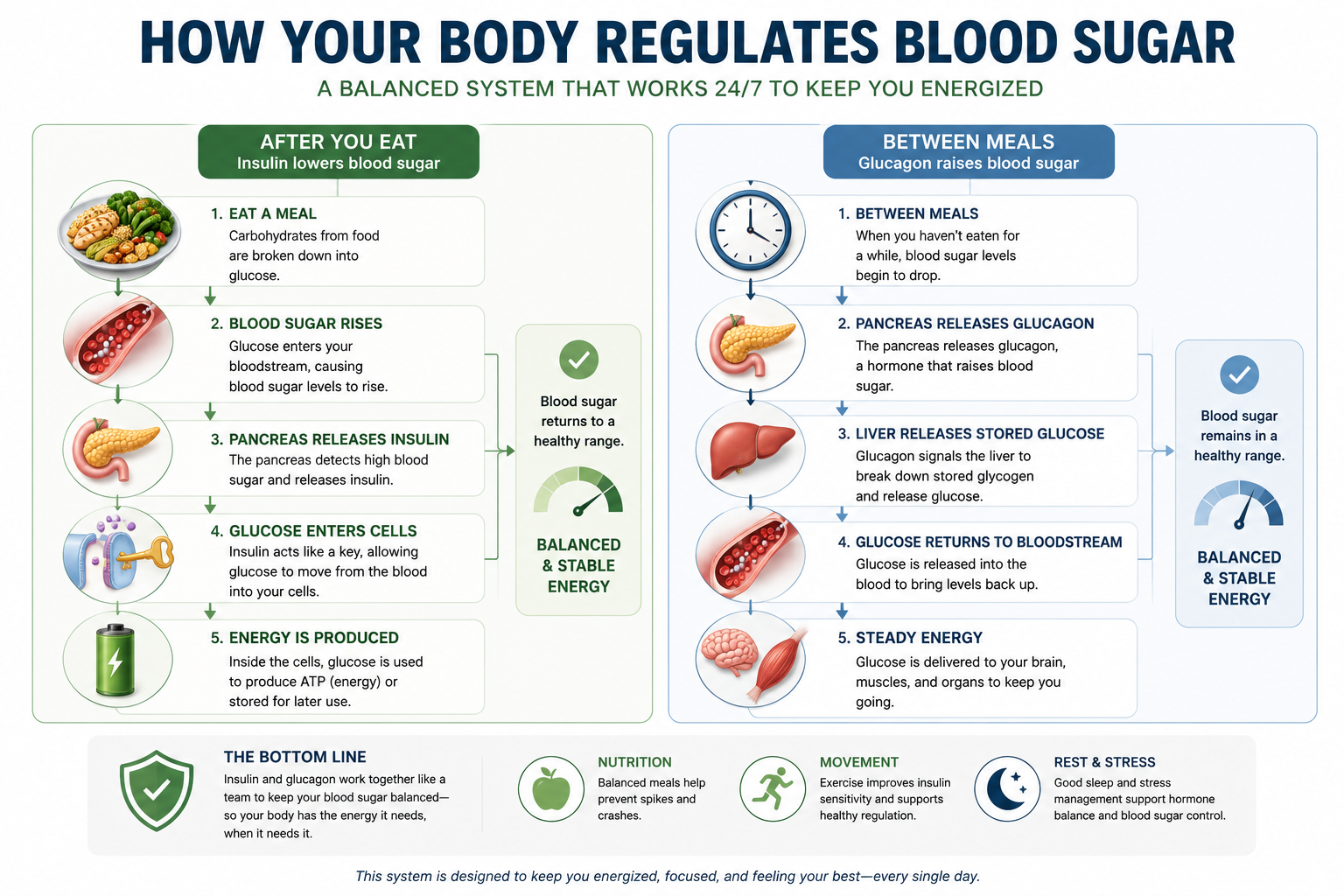
Your body is constantly working to keep your blood sugar within a healthy range. This process happens automatically, whether you're eating a meal, exercising, sleeping, or going about your daily routine.
The two primary hormones responsible for regulating blood sugar are insulin and glucagon. Both are produced by the pancreas and work together to maintain balance.
After you eat, carbohydrates are broken down into glucose, causing the amount of sugar in your bloodstream to rise. In response, your pancreas releases insulin. Insulin acts like a key, allowing glucose to move from your bloodstream into your cells where it can be used to produce energy or stored for later use.
As glucose leaves the bloodstream and enters your cells, blood sugar levels gradually return to a healthy range.
Between meals or during physical activity, your body still needs a steady supply of energy. That's when the pancreas releases glucagon. Instead of lowering blood sugar like insulin, glucagon signals the liver to release stored glucose back into the bloodstream, ensuring your brain, muscles, and other organs continue receiving the fuel they need.
This constant communication between the pancreas, liver, muscles, and other tissues allows your body to maintain a relatively stable supply of energy throughout the day.
Problems can occur when this system is challenged by factors such as poor nutrition, lack of physical activity, chronic stress, or inadequate sleep. Frequent spikes followed by rapid drops in blood sugar may contribute to energy crashes, increased hunger, cravings, and difficulty concentrating.
Supporting healthy blood sugar isn't about striving for perfection. It's about giving your body the tools it needs to do what it was designed to do—maintain balance. Consistent lifestyle habits such as eating balanced meals, staying active, managing stress, and getting adequate sleep all help support your body's natural glucose regulation.
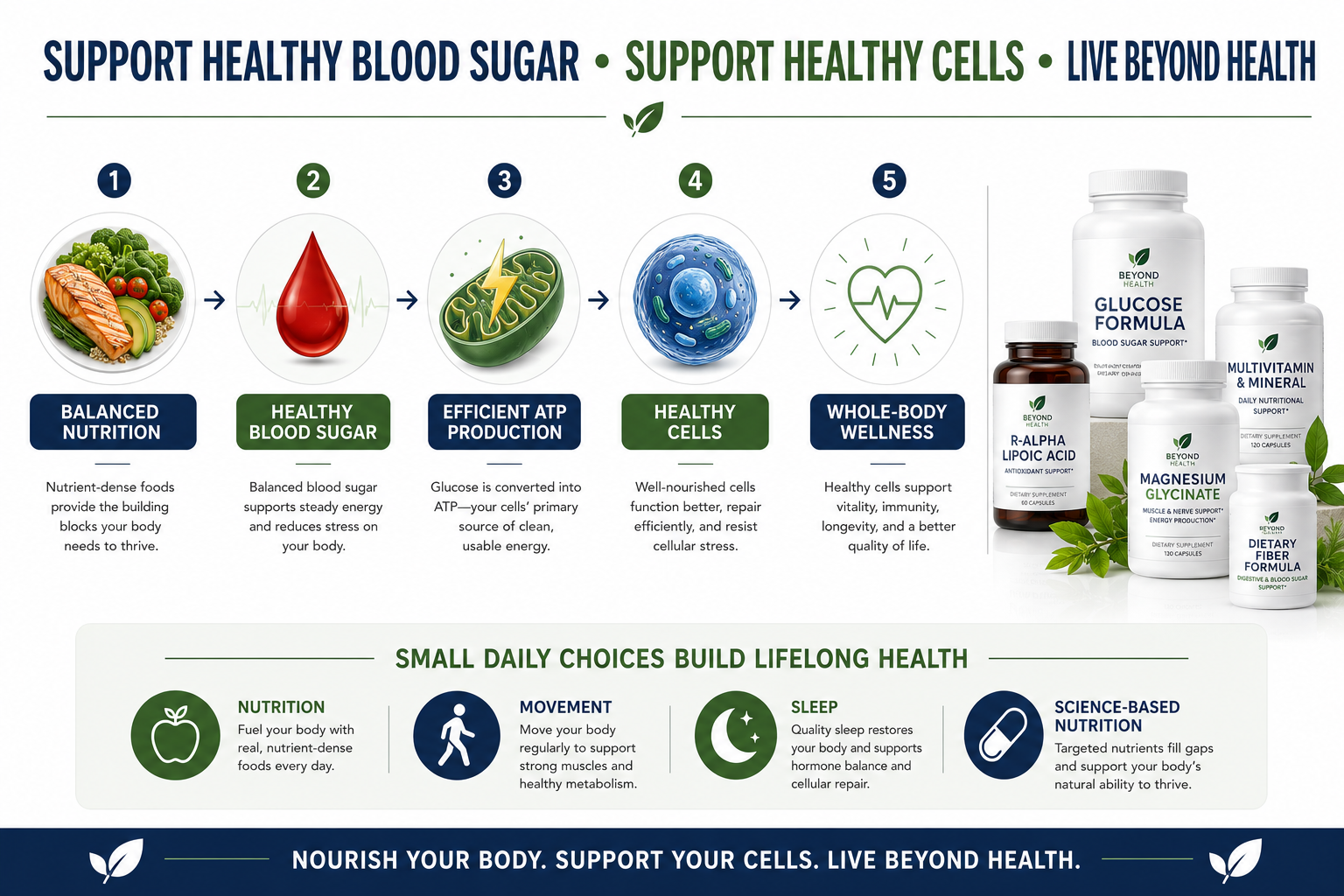
Maintaining healthy blood sugar also supports healthy cellular function. When glucose is efficiently delivered into cells, it can be converted into ATP, the energy currency that powers virtually every process in the body. Efficient energy production is one of the foundations of overall wellness.
Discover the Best Glucose Level Products Today
Diabetes Research, Education, Advocacy | ADA
7 Signs Your Blood Sugar May Be Out of Balance
Blood sugar naturally rises and falls throughout the day, especially after meals. These changes are a normal part of how your body produces energy. However, frequent or significant fluctuations may leave you feeling less than your best.
Many of the signs associated with blood sugar imbalance are common and can also have other causes. That's why it's important to look at the bigger picture rather than focusing on a single symptom.
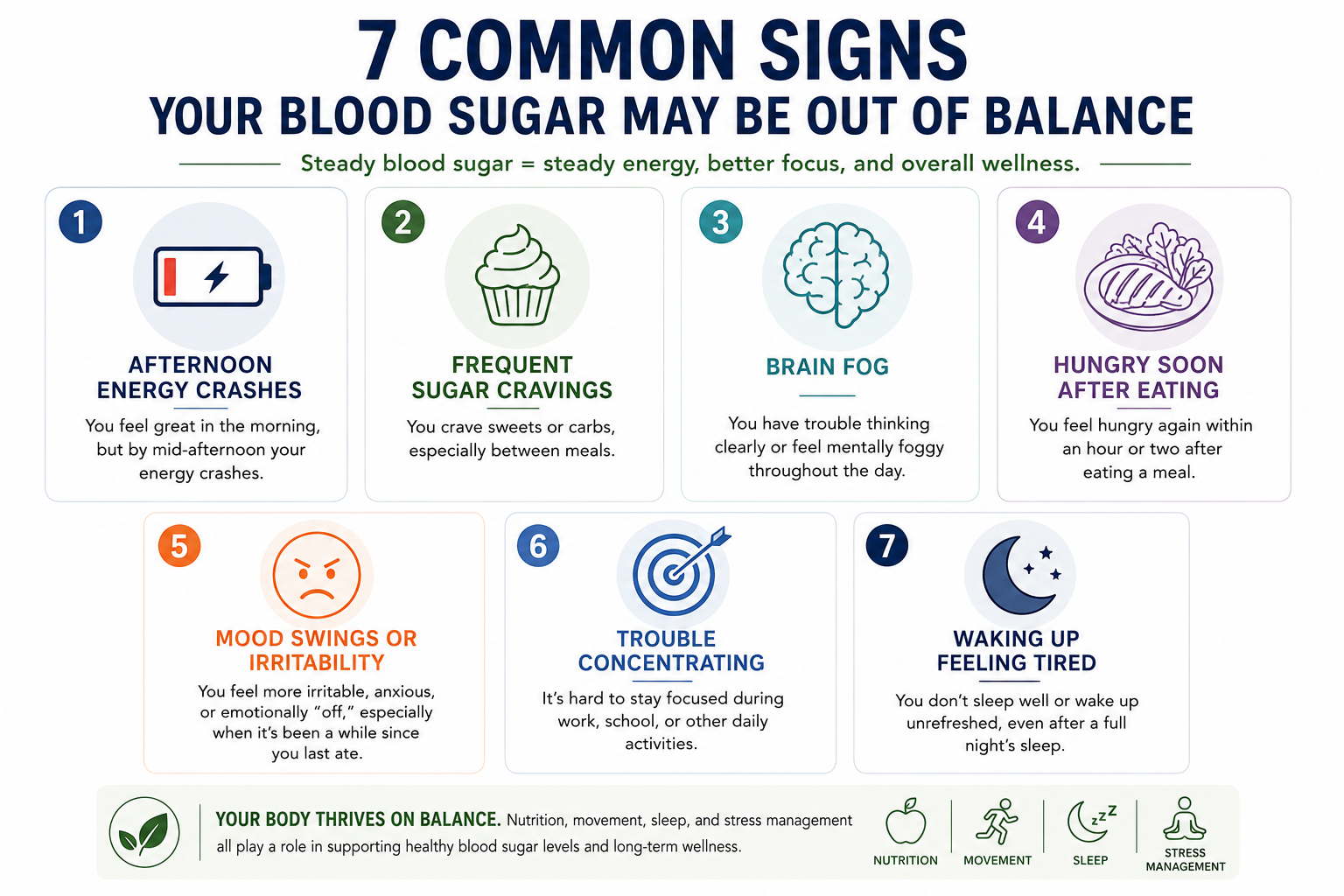
Here are seven signs that may suggest it's time to take a closer look at your nutrition and lifestyle habits.
1. Afternoon Energy Crashes
Do you feel energized after breakfast but completely drained by mid-afternoon?
Rapid increases in blood sugar followed by equally rapid declines can contribute to feelings of fatigue and low energy. Meals that are high in refined carbohydrates or added sugars may provide a quick burst of energy, but they're often followed by an energy slump a few hours later.
Building meals around protein, healthy fats, and fiber can help promote steadier energy throughout the day.
2. Frequent Sugar Cravings
If you regularly crave sweets, especially between meals, your blood sugar may be playing a role.
When blood sugar drops quickly after a meal, your body naturally looks for a fast source of energy. Sugary foods are often the first thing many people reach for, creating a cycle of temporary satisfaction followed by another crash.
Choosing balanced meals can help reduce these fluctuations and support more consistent energy.
3. Brain Fog and Difficulty Concentrating
Your brain relies on a steady supply of glucose to function efficiently.
When blood sugar fluctuates significantly, some people notice difficulty concentrating, mental fatigue, or a feeling commonly described as "brain fog."
Supporting steady blood sugar may also support consistent mental clarity throughout the day.
4. Feeling Hungry Soon After Eating
Have you ever finished a meal only to feel hungry again an hour or two later?
Meals that are low in protein or fiber and high in refined carbohydrates are often digested quickly, which may leave you feeling hungry again sooner than expected.
Including lean protein, healthy fats, and fiber at each meal can help you feel satisfied longer while supporting healthy blood sugar.
5. Mood Swings or Irritability
Many people notice they become irritable when they're hungry.
While everyone experiences hunger differently, rapid changes in blood sugar may contribute to changes in mood or increased irritability for some individuals.
Maintaining consistent eating habits and choosing nutrient-dense foods may help support more stable energy and mood throughout the day.
6. Trouble Concentrating During the Day
Healthy blood sugar supports a steady supply of energy to the brain.
Large fluctuations in blood sugar may make it more difficult to stay focused during work, school, or other daily activities.
Regular meals that include protein, fiber, and healthy fats can help support sustained concentration.
7. Waking Up Feeling Tired
Poor sleep can affect blood sugar, and blood sugar can also influence sleep quality.
Late-night meals high in added sugars or refined carbohydrates may contribute to fluctuations in blood sugar during the night, leaving some people feeling less rested in the morning.
Supporting healthy sleep habits and balanced evening meals can help promote overall wellness.
Although these signs don't necessarily mean your blood sugar is out of balance, they can be helpful reminders to evaluate your daily habits. Nutrition, physical activity, sleep, hydration, and stress management all work together to support your body's natural ability to regulate blood sugar and maintain steady energy.
If you recognize several of these symptoms, consider speaking with your healthcare provider. They can help determine whether additional evaluation is appropriate and provide personalized recommendations based on your individual health needs.
Support Healthy Blood Sugar with Targeted Nutrition
Healthy blood sugar starts with nutrition and lifestyle, but certain nutrients may also support normal glucose metabolism as part of a healthy routine.
Discover the Best Glucose Level Products Today
Common Causes of Blood Sugar Spikes
Blood sugar naturally rises after you eat. In fact, that's exactly what it's supposed to do. As carbohydrates are digested and converted into glucose, your bloodstream delivers that glucose to your cells so it can be used for energy.
The goal isn't to prevent blood sugar from increasing after meals—it's to help your body manage those increases efficiently. Certain foods and lifestyle habits can cause blood sugar to rise more quickly than others, placing additional demands on your body's natural regulatory systems.
Understanding these common contributors can help you make informed choices that support healthy blood sugar and steady energy throughout the day.
Refined Carbohydrates and Added Sugars
Foods made with refined grains and added sugars are often digested quickly, allowing glucose to enter the bloodstream rapidly.
Examples include:
- Sugary beverages
- Candy
- Pastries
- White bread
- White rice
- Sweetened breakfast cereals
- Desserts
These foods aren't inherently "bad," but eating them frequently or in large amounts may lead to larger blood sugar fluctuations than meals built around whole, nutrient-dense foods.
Low Fiber Intake
Fiber slows the digestion and absorption of carbohydrates, allowing glucose to enter the bloodstream at a more gradual pace.
Unfortunately, many adults consume less fiber than recommended.
Foods naturally rich in fiber include:
- Vegetables
- Fruits
- Beans and lentils
- Whole grains
- Nuts and seeds
Including fiber with each meal can help support healthy blood sugar while also promoting digestive health and satiety.
Meals Low in Protein
Protein helps promote fullness and slows digestion when eaten alongside carbohydrates.
Meals made up primarily of refined carbohydrates without adequate protein may contribute to larger changes in blood sugar and increased hunger later in the day.
Good protein choices include:
- Fish
- Poultry
- Eggs
- Greek yogurt
- Lean meats
- Beans
- Tofu
- Cottage cheese
Physical Inactivity
Movement plays an important role in healthy glucose metabolism.
During physical activity, muscles use glucose for energy, helping move it from the bloodstream into cells. Even light activity, such as a short walk after meals, may support healthy blood sugar regulation.
Regular exercise also supports cardiovascular health, muscle function, and overall metabolic wellness.
Poor Sleep
Sleep influences many hormones involved in metabolism.
Research suggests that inadequate or poor-quality sleep may affect insulin sensitivity, appetite regulation, and food choices the following day.
Prioritizing consistent, high-quality sleep supports not only healthy blood sugar but also energy, recovery, and overall well-being.
Chronic Stress
Stress is a normal part of life, but ongoing stress can influence hormones involved in glucose regulation.
During stressful situations, your body releases hormones such as cortisol and adrenaline to provide energy for immediate demands. When stress becomes chronic, these hormonal changes may make it more difficult for your body to maintain optimal metabolic balance.
Healthy stress-management practices—including regular exercise, mindfulness, deep breathing, and adequate sleep—can support overall wellness.
Large Portion Sizes
Even healthy foods contain carbohydrates, and portion size still matters.
Eating very large meals may lead to larger increases in blood sugar than eating balanced portions throughout the day.
Rather than eliminating favorite foods, consider building meals around a balance of:
- Lean protein
- Fiber-rich carbohydrates
- Healthy fats
- Plenty of vegetables
This balanced approach helps provide more sustained energy while supporting healthy blood sugar regulation.
Whole Grains • The Nutrition Source
Blood sugar isn't influenced by one single meal or one specific food. Instead, it's the result of your overall eating patterns, activity level, sleep, stress management, and daily habits. Small improvements made consistently over time often have the greatest impact on long-term health.
Getting More Fiber into Your Diet - Beyond Health
Boost Your Health with Probiotic Supplement – Gut Support
Natural Ways to Support Healthy Blood Sugar
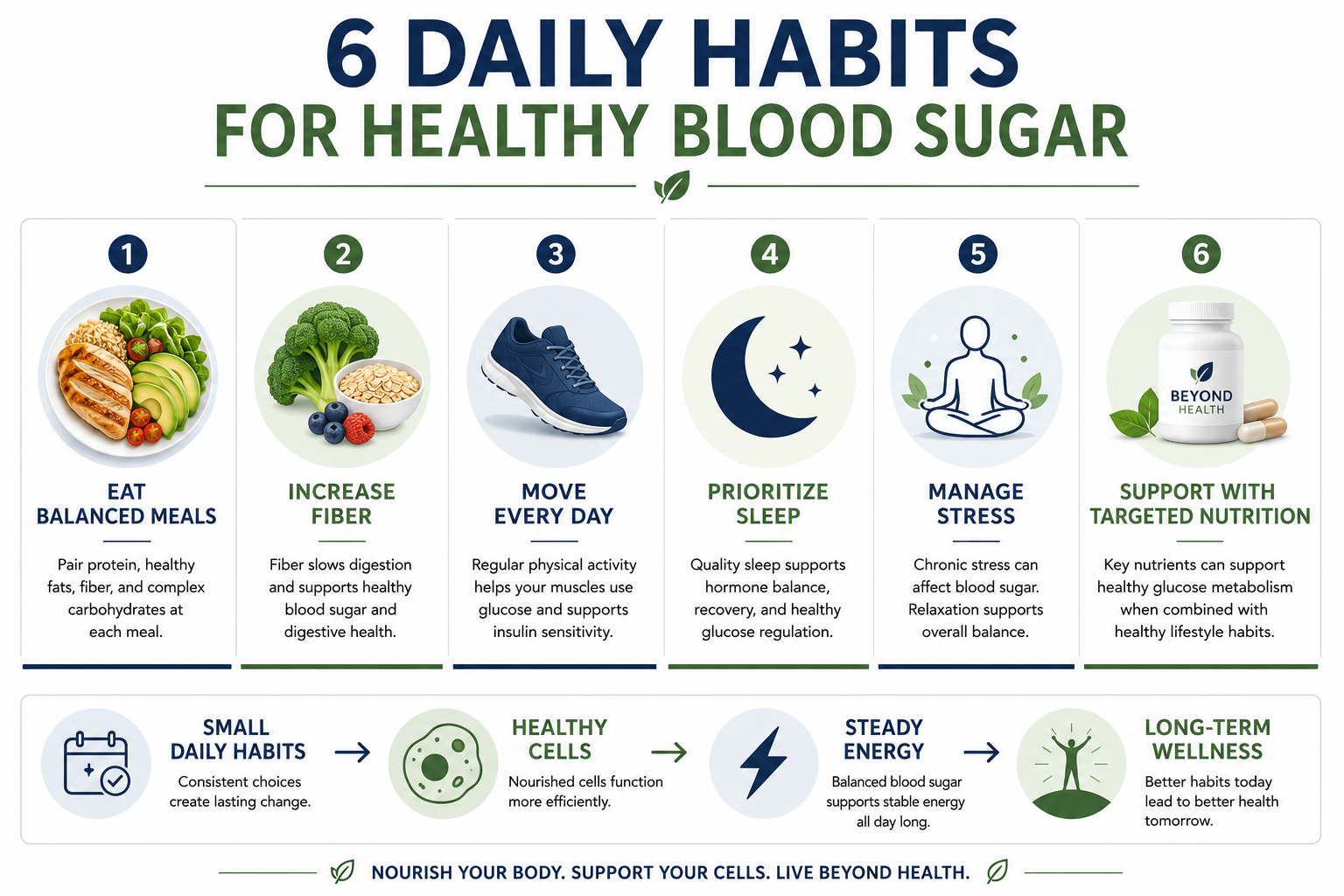
Supporting healthy blood sugar doesn't require extreme diets or complicated routines. In most cases, it's the consistent habits you practice every day that have the greatest impact over time.
Your body is designed to regulate blood sugar efficiently, and simple lifestyle choices can help support that natural process. By focusing on balanced nutrition, regular movement, quality sleep, stress management, and targeted nutritional support, you can help promote steady energy and overall wellness.
Build Balanced Meals
One of the most effective ways to support healthy blood sugar is by building balanced meals.
Instead of eating carbohydrates by themselves, pair them with protein, healthy fats, and fiber. This combination slows digestion, promotes satiety, and helps provide a more gradual release of glucose into the bloodstream.
A balanced plate may include:
- Lean protein such as chicken, fish, eggs, or beans
- High-fiber vegetables
- Whole grains or legumes
- Healthy fats like avocado, nuts, seeds, or olive oil
Small adjustments like these can help support steady energy throughout the day.
Prioritize Fiber
Fiber plays an important role in healthy digestion and glucose metabolism.
Unlike many carbohydrates, fiber isn't fully digested by the body. Instead, it helps slow the absorption of glucose while supporting digestive health and feelings of fullness after meals.
Excellent sources of fiber include:
- Vegetables
- Fruits
- Oats
- Lentils
- Beans
- Chia seeds
- Flaxseed
- Whole grains
Most adults don't consume enough fiber each day, making it one of the simplest nutritional improvements many people can make.
Move Your Body Every Day
Exercise is one of the most effective lifestyle habits for supporting healthy blood sugar.
When you move, your muscles use glucose as fuel. Regular physical activity also supports insulin sensitivity, cardiovascular health, and overall metabolic wellness.
You don't have to spend hours in the gym.
Simple activities like:
- Walking after meals
- Strength training
- Cycling
- Swimming
- Gardening
- Playing with your kids
all contribute to better overall health.
Consistency is far more important than perfection.
Prioritize Quality Sleep
Sleep is often overlooked when discussing blood sugar, yet it plays an essential role in overall metabolic health.
Research suggests poor sleep may influence hormones involved in appetite, energy regulation, and insulin sensitivity.
Adults should aim for approximately seven to nine hours of quality sleep each night whenever possible.
Simple habits like maintaining a consistent bedtime, limiting screen time before bed, and creating a relaxing nighttime routine can make a meaningful difference.
Manage Stress
Stress affects nearly every system in the body.
During periods of stress, hormones such as cortisol help prepare your body for immediate action. While this response is normal, chronic stress may make it more challenging for your body to maintain healthy metabolic balance.
Healthy stress-management techniques include:
- Walking outdoors
- Prayer or meditation
- Deep breathing exercises
- Spending time with family and friends
- Regular physical activity
- Hobbies that help you relax
Taking care of your mental well-being is just as important as taking care of your physical health.
Support Your Body with Targeted Nutrition
Healthy blood sugar begins with lifestyle habits, but targeted nutrients can also play a supportive role as part of a comprehensive wellness plan.
R-Alpha Lipoic Acid
R-Alpha Lipoic Acid (an ingredient in Beyond Health Glucose Level) is the naturally occurring, biologically active form of alpha lipoic acid. It functions as both a powerful antioxidant and an important cofactor in mitochondrial energy production.
Research suggests R-Alpha Lipoic Acid may help support healthy insulin sensitivity and normal glucose metabolism while helping protect cells from oxidative stress. Because it is both water- and fat-soluble, it works throughout the body to help regenerate other antioxidants, including vitamins C, vitamin E, and glutathione.
Magnesium
Magnesium participates in hundreds of enzymatic reactions throughout the body, including many involved in normal energy metabolism.
Adequate magnesium intake supports muscle function, nerve function, cellular energy production, and healthy glucose metabolism.
Dietary Fiber
Increasing daily fiber intake supports digestive health, promotes feelings of fullness, and helps slow the absorption of carbohydrates after meals.
When paired with a balanced diet, fiber is one of the simplest ways to support healthy blood sugar.
Glucose Formula
A comprehensive blood sugar support formula can provide multiple nutrients that work together to support healthy glucose metabolism and overall metabolic wellness.
When combined with healthy eating, regular exercise, and quality sleep, targeted nutritional support can complement your long-term wellness strategy.
Healthy blood sugar isn't achieved through one perfect meal or one supplement. It is built through consistent daily choices that work together over time. Every balanced meal, every walk after dinner, every good night's sleep, and every healthy habit contributes to a stronger foundation for lifelong health.
The Beyond Health Perspective: Healthy Cells Are the Foundation of Healthy Blood Sugar
At Beyond Health, we believe that lasting health begins at the cellular level.
Rather than focusing on isolated symptoms, we believe it's important to support the body's natural ability to function as it was designed. Blood sugar is one example of this principle in action. While healthy blood sugar is often discussed in terms of metabolism, its effects extend far beyond the bloodstream.
Every cell in your body depends on a steady supply of nutrients and energy to perform its job efficiently. When blood sugar is well regulated, glucose can enter cells where it is converted into ATP—the energy that powers virtually every biological process, from muscle movement and brain function to tissue repair and immune support.
When blood sugar fluctuates frequently over time, your cells must work harder to maintain balance. Supporting healthy blood sugar through proper nutrition, regular movement, restorative sleep, stress management, and targeted nutritional support helps create an environment where your cells can function more efficiently.
This philosophy aligns with the Beyond Health Model, which teaches that optimal wellness comes from nourishing the body rather than simply reacting to symptoms. Every healthy choice you make—whether it's preparing a balanced meal, taking a walk after dinner, getting enough sleep, or choosing nutrient-rich foods—helps support your body's remarkable ability to maintain health.
Healthy blood sugar isn't about achieving perfection. It's about building consistent habits that support your body's natural processes every day.
Small improvements, repeated over time, create meaningful change. When your cells have the nutrients and support they need, they are better equipped to produce energy, defend against oxidative stress, and contribute to your overall well-being.
Blood sugar is only one piece of the wellness puzzle, but it's an important one. By supporting healthy glucose metabolism as part of a balanced lifestyle, you're investing in your long-term health, vitality, and quality of life.
Products That Support Cellular Wellness
- Glucose Formula Discover the Best Glucose Level Products Today
- Magnesium Magnesium Supplement for Nerves, Muscles & Energy (2025)
- Multivitamin Beyond Health Multivitamin: Immune & Energy Support
- Cell Defender Boost Your Health with Cell Defender Supplements Today
Frequently Asked Questions About Blood Sugar
What is blood sugar?
Blood sugar, also known as blood glucose, is the amount of glucose circulating in your bloodstream. Glucose is your body's primary source of energy and is produced when carbohydrates from food are broken down during digestion.
Why is healthy blood sugar important?
Healthy blood sugar helps provide a steady supply of energy to your body's cells. Maintaining blood sugar within a healthy range supports normal energy production, brain function, cardiovascular health, and overall metabolic wellness.
Can people without diabetes have blood sugar spikes?
Yes. Everyone experiences changes in blood sugar throughout the day, especially after eating. Healthy blood sugar naturally rises after meals and returns to normal as insulin helps move glucose into the body's cells. Large or frequent spikes may be influenced by nutrition and lifestyle habits.
What foods help support healthy blood sugar?
Meals that include lean protein, healthy fats, fiber-rich vegetables, legumes, whole grains, and minimally processed foods can help support healthy blood sugar as part of a balanced diet.
Does eating protein help blood sugar?
Protein slows digestion and helps promote fullness. Eating protein along with carbohydrates may help support a more gradual rise in blood sugar after meals.
Why do I feel tired after eating?
Feeling tired after eating can have many causes. Large meals, meals high in refined carbohydrates, poor sleep, dehydration, or other health conditions may all contribute. If fatigue occurs regularly or is severe, consult your healthcare provider.
Does exercise help support healthy blood sugar?
Yes. Physical activity helps muscles use glucose for energy and supports healthy insulin sensitivity. Regular exercise is one of the most effective lifestyle habits for supporting overall metabolic health.
Does fiber affect blood sugar?
Yes. Fiber slows the digestion and absorption of carbohydrates, helping glucose enter the bloodstream more gradually. Fiber also supports digestive health and promotes feelings of fullness.
Can stress affect blood sugar?
Yes. During times of stress, the body releases hormones such as cortisol and adrenaline that help prepare you for immediate action. Chronic stress may influence normal glucose regulation, making stress management an important part of overall wellness.
How does sleep affect blood sugar?
Quality sleep supports many hormones involved in metabolism. Consistently getting enough restful sleep may help support healthy insulin sensitivity, appetite regulation, and overall metabolic health.
What supplements support healthy blood sugar?
Certain nutrients may help support healthy glucose metabolism when combined with a balanced diet and healthy lifestyle. These include magnesium, dietary fiber, chromium, and R-Alpha Lipoic Acid. Supplements should complement—not replace—healthy daily habits.
What is R-Alpha Lipoic Acid?
R-Alpha Lipoic Acid is the naturally occurring, biologically active form of alpha lipoic acid. It functions as a powerful antioxidant and plays an important role in cellular energy production by helping mitochondria convert glucose into usable energy.
Is healthy blood sugar only important for older adults?
No. Healthy blood sugar is important at every stage of life. Supporting healthy glucose metabolism through balanced nutrition, regular movement, and healthy lifestyle habits benefits adults of all ages.
What's the best first step toward healthier blood sugar?
Start with small, sustainable habits. Build balanced meals, increase your fiber intake, stay physically active, prioritize quality sleep, manage stress, and choose nutrient-dense foods consistently over time.
Key Takeaways
- Healthy blood sugar is important for everyone—not just people with diabetes.
- Blood sugar influences energy, focus, mood, and overall wellness.
- Balanced meals, regular exercise, fiber, quality sleep, and stress management all support healthy glucose metabolism.
- Small daily habits can have a meaningful impact on long-term health.
- Targeted nutrients such as R-Alpha Lipoic Acid, Magnesium, and Dietary Fiber can complement a healthy lifestyle as part of a comprehensive wellness plan.
Ready to Support Your Health from the Inside Out?
Healthy blood sugar is just one piece of the wellness puzzle. By combining smart nutrition, consistent lifestyle habits, and science-based supplementation, you can help support your body's natural ability to maintain balance and produce lasting energy.
Explore Beyond Health's collection of supplements designed to support healthy cellular function, glucose metabolism, and overall wellness.
Beyond Health: Premium Vitamins & Supplements
Ready to Support Your Health from the Inside Out?
Healthy blood sugar is about more than avoiding sugar or following the latest diet trend. It's about creating a strong foundation for lifelong wellness by supporting your body's natural ability to regulate glucose, produce energy, and nourish every cell.
The choices you make each day—eating balanced meals, staying active, getting quality sleep, managing stress, and choosing nutrient-rich foods—work together to support healthy blood sugar and overall metabolic health. These habits don't just benefit your blood sugar today; they help lay the groundwork for healthy aging, sustained energy, and long-term vitality.
At Beyond Health, we believe true wellness begins at the cellular level. When your cells have the nutrients they need and are supported by healthy lifestyle habits, your body is better equipped to function as it was designed.
Whether you're looking to maintain steady energy throughout the day, support healthy glucose metabolism, or simply take a proactive approach to your health, small, consistent steps can lead to meaningful improvements over time.
Explore our science-based supplements designed to complement a healthy lifestyle and support your journey toward better cellular health.
Featured Products
- Glucose Formula – Supports healthy glucose metabolism already within the normal range.*
- R-Alpha Lipoic Acid – Supports cellular energy production and antioxidant protection.*
- Magnesium – Supports hundreds of enzymatic reactions involved in energy metabolism and overall wellness.*