null G-5DLXE7JB0V

Your Cart

Your cart is empty

Continue shopping
Skip to main content

Posted by - Beyond Health on Nov 3rd 2025

Traditional Balsamic Vinegar Benefits & Elegant Healthy Holiday Recipes

The Secret to Elegant, Healthy Holiday Cooking The holidays often mean rich foods, heavy sauces, and sugar-laden desserts. But what if elegance didn’t require excess? What if one ingredient could: Enhance flavor Support metabolic health Elevate vegetables and fruit And turn simple dishes into gourmet experiences That ingredient is real, traditionally made balsamic vinegar. Not the imitation versions filled with caramel coloring and sugar. The real thing. Why Real Balsamic Is Different Most “balsamic vinegar” on store shelves is: Cheap wine vinegar Sweetened with corn syrup or caramelized sugar Artificially colored Rapidly produced Authentic balsamic is entirely different. Traditional balsamic vinegar is made from freshly pressed Trebbiano grapes, slowly concentrated and aged for years in a succession of wooden barrels each smaller than the last crafted from multiple types of wood. This natural aging process: Deepens complexity Enhances antioxid…

read more
Curcumin and Heart Disease

Posted by -Beyond Health on Nov 3rd 2025

Curcumin and Heart Disease

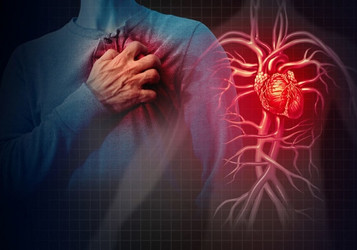
Curcumin: A Powerful Ally for Heart Attack and Stroke Prevention If heart disease runs in your family—or if you’ve already been diagnosed—you’re likely living with the constant concern of a sudden heart attack or stroke. That concern is understandable. But it’s also important to know this: Heart attacks and strokes are largely preventable. Prevention requires attention and commitment, but the rewards are profound—and the consequences of inaction can be severe. One natural compound that deserves special attention for cardiovascular protection is curcumin, the primary active component in turmeric. Research shows curcumin supports heart health by addressing multiple major risk factors simultaneously, something no single drug can do. How Curcumin Protects the Cardiovascular System 1. High Blood Pressure Curcumin lowers blood pressure through multiple complementary mechanisms: Anti-inflammatory & antioxidant protectionReduces oxidative and inflamma…

read more
Reduce Your Risk of Getting Heart Disease, Diabetes and Cancer by Getting More Fiber in Your Diet

Posted by -Beyond Health on Nov 3rd 2025

Reduce Your Risk of Getting Heart Disease, Diabetes and Cancer by Getting More Fiber in Your Diet

Dietary Fiber: One of the Most Powerful Tools for Preventing Chronic Disease You can significantly reduce your risk of many of today’s most common chronic diseases simply by increasing your intake of dietary fiber. These include: Coronary heart disease Stroke High blood pressure High cholesterol Type 2 diabetes Colorectal cancer Breast cancer Fiber isn’t a “nice extra.” It’s a foundational nutrient for metabolic, cardiovascular, and digestive health. Landmark Research: Fiber and Longevity A major series of systematic reviews and meta-analyses published in The Lancet examined data from hundreds of studies involving millions of participants. The findings were striking: People who consumed the most dietary fiber, compared to those who consumed the least, experienced: 15–30% reduction in cardiovascular disease and all-cause mortality 22% lower risk of stroke 16% lower risk of type 2 diabetes and colorectal cancer 30% lower risk o…

read more
Raising Healthy Children

Nov 3rd 2025

Raising Healthy Children

Children’s energy and zest for living make us adults feel alive and joyful. They seem to epitomize good health. But appearances can be deceiving. Like most Americans today, our children are suffering from poor nutrition and toxicity, the two causes of disease. And while children may appear invulnerable, nutrient deficiencies and toxic exposures are taking a silent and sometimes not-so-silent toll. The truth is that even though the knowledge exists to raise strong, healthy children, it is difficult to find a truly healthy child. Child poverty is a significant problem in the US, but even the children of affluent and highly-educated parents have multiple nutrient deficiencies based on government standards, which are already too low. Meanwhile, chemical use in America has gone up 2,000% over the past half century. More than 85,000 synthetic chemicals (only a tiny fraction of which have been tested for safety in humans) are now found in our air, water, soil, food, household furnish…

read more
Can Taking Showers Cause Cancer? Find Out Here!

Nov 3rd 2025

Can Taking Showers Cause Cancer? Find Out Here!

Taking showers can cause cancer! Twenty years ago the Environmental Protection Agency (EPA) placed hot showers on their list of cancer sources. The main culprit was chlorine. Chlorine is a poisonous chemical, a bleaching agent. Sure, it does a great job of killing living things in our water, like bacteria and viruses. The problem is we’re living things too. Chlorine gas was used as a deadly weapon during World War I! Chlorine is a pro-oxidant that causes free radical damage in the body, a major factor in aging and in every kind of disease. Chlorine and its by-products have been linked with various forms of cancer, neurological issues, reproductive problems, heart disease (including atherosclerosis and hypertension), decreased immunity, allergies, hypothyroidism and lung problems. When you smell chlorine in your shower, it’s because it’s escaping into the air as chlorine gas. Since showers are usually poorly ventilated, chlorine gas concentrations can be quite high. In…

read more
This News May Make You Jump Out of Your Chair!

Nov 3rd 2025

This News May Make You Jump Out of Your Chair!

It’s been called “the most effective, potent way that we can improve quality of life and duration of life.” If it were a drug, “it would likely be the most valuable pharmaceutical ever developed.” It isn’t a new supplement or super food, and best of all it’s free. It’s . . . exercise! In a recent issue of Time magazine, reporter Mandy Outlander explored the cutting edge of exercise research with various experts who have become increasingly excited about “exercise as medicine.” His own research prompted the rave reviews above from genetic metabolic neurologist Dr. Mark Tarnopolsky at McMaster University in Ontario. That exercise is good for us isn’t exactly news, but Dr. Tarnopolsky hopes that by pointing out all its wonderful rewards, he may motivate us enough to jump up out of our chairs and actually do it! Rewards being documented are both immediate and long-term. Right after a short exercise session, measurable result…

read more
Nature and Sleep

Nov 3rd 2025

Nature and Sleep

Spending time in the natural world can normalize our inner “body clock” also known as our circadian rhythm. Attuned to environmental cues like sunlight, temperature, and seasonal changes, our circadian rhythm regulates many physiological processes, including when to sleep and when to eat. Artificial light and electronic devices like computers and televisions give our bodies false cues that have nothing to do with the natural order of things and disrupt our circadian rhythm, which a growing body of research has linked to many mental and physical health problems. Sleep issues are an obvious casualty, as is false hunger leading to overweight and obesity. Circadian rhythm disruption has also been implicated in high blood pressure and heart disease, cognitive dysfunction, neurological problems like Parkinson’s disease, asthma, autoimmune illness, and mental health issues like depression, seasonal affective disorder (SAD) and bipolar disorder. A recent University of Colorado study w…

read more
Glucosamine Protects Your Heart as it Rebuilds Your Joints

Nov 3rd 2025

Glucosamine Protects Your Heart as it Rebuilds Your Joints

Glucosamine is primarily known as supplement for supporting joint health; in Europe it’s even been approved as a drug for treating osteoarthritis. But researchers have found that people taking glucosamine supplements for their joints have been getting additional benefits they weren’t aware of—benefits to their hearts! Specifically a lower risk of cardiovascular disease events, coronary heart disease, stroke and death from heart disease.Although glucosamine is found in high concentrations in joints, it is a naturally occurring molecule found in almost all body tissues. It’s the first biochemical component of connective tissue and plays an important role in the non-muscular component of blood vessels and also in heart valves. It’s also found in the mucous membranes of the gastrointestinal and respiratory tracts. Throughout the body, glucosamine exerts antioxidant and anti-inflammatory effects.Utilizing data from almost half a million participants in a large database in the United Kin…

read more
Choosing Effective Vitamin E Products

Nov 3rd 2025

Choosing Effective Vitamin E Products

Vitamin E is an essential fat-soluble vitamin that we can’t do without. It’s known primarily as an antithrombic, preventing blood clots inside blood vessels, and as the body’s primary fat-soluble antioxidant, offering significant protection to the heart, brain, skin and immune system.But as crucial as vitamin E is to our health, well-known vitamin E researcher Magrit G. Traber has reported that an estimated 90% or more Americans don’t consume enough dietary vitamin E to meet the minimal government standard of 12 milligrams (mg) a day. Meanwhile, health experts recommend hundreds of mg daily for optimal health. Vitamin E is found in whole grains, nuts, seeds, and healthy fats and oils, such as pure, extra-virgin olive oil. If you included all these good foods regularly in your diet, you would likely meet minimum government standards, but for optimal health Beyond Health recommends 400 IU (268 mg) a day, an amount that can only be feasibly consumed by taking a nutritio…

read more
Discover Vitamin E for the Health of Your Heart

Nov 3rd 2025

Discover Vitamin E for the Health of Your Heart

Deficiency of vitamin E is more predictive of heart disease and cardiac death than any other single factorOne of the most important nutrients to protect the heart is vitamin E. Yet according to a study published in the Journal of the American Dietetic Association, only 8% of adult men and 2.4% of adult women in the US met the Estimated Average Requirements (EARs) for alpha-tocopherol intake. Even worse, EARs are about 20% lower than the Recommended Daily Allowances (RDAs).Although many factors are involved in creating heart disease low levels of vitamin E are more predictive of heart disease and cardiac death than any other single factor. Vitamin E inhibits the oxidation of LDL cholesterol, preventing atherosclerosis. When you prevent atherosclerotic plaque, you automatically help to lower blood pressure.In 1910, when heart disease was relatively rare, most people got at least 100 IU a day from freshly milled and baked stone ground whole wheat bread. Yet almost all Americans today…

read more
Vitamin B12 and Folate Deficiency Symptoms

Nov 3rd 2025

Vitamin B12 and Folate Deficiency Symptoms

Vitamin B12 and folate (aka vitamin B9) work together in a very productive partnership. Unfortunately, government statistics show that 30% of the US population is deficient in vitamin B12 and 75% in folate. This is using the Recommended Daily Allowances (RDA) as a reference, which many experts believe are far too low. And since they often work together, a deficiency in one means the other won’t work as it should. So it wouldn’t be too surprising to find you’re deficient in one or both, especially if you’re over the age of 50 when both B12 and folate levels start to decline. Because these two B vitamins participate in so many different biochemical processes, deficiencies can produce a wide range of symptoms: Do you have low energy? Feel weak, or get dizzy spells? Do you find you’re getting more irritable or feeling a bit low? Is your memory getting worse? Is it harder to learn new things; easier to get distracted and confused?  Do you have balance, vision or hearing proble…

read more
4 Health Conditions That Dietary Supplements Can Help With

Nov 3rd 2025

4 Health Conditions That Dietary Supplements Can Help With

As people age, their chances of developing certain medical conditions also increase. Early preventative measures may help you avoid some of these health problems or at least make the conditions less severe if they develop. One way to help reduce your health risks is to take certain dietary supplements that are known to ward off the effects of some age-related health issues.Diet and exercise are commonly advised for optimal health, but dietary supplements can also help you get more of the vitamins, minerals, and other nutrients that your body needs as you age. If you want to lower your chances of developing one or more of these health problems as you age, you should consider taking supplements as part of your normal daily routine.1. ArthritisArthritis occurs when a joint where bones connect becomes swollen and tender. Arthritis can affect one or multiple joints and usually affects older people more often. However, the condition is also sometimes seen in younger individuals. O…

read more
Discover Why the Food Gurus Love Berries Today!

Nov 3rd 2025

Discover Why the Food Gurus Love Berries Today!

Although Americans need to eat more fresh fruits and vegetables, the food gurus these days aren't pushing fruits as much as they once were. That's because more information has come out about fructose, the sugar in fruit. While fine in moderation, in excessive amounts, fructose can be toxic. That's why at Beyond Health, we've always recommended not exceeding more than two pieces of fruit a day. But one fruit the experts still recommend is berries, including strawberries, blueberries, blackberries, cranberries and raspberries. Why? Because no fruit offers so much nutritional value for the calories and fructose it delivers. Berries for Disease Prevention Berries are chock-full of phytonutrients (translation: nutrients in plants) that are some of the world's most powerful antioxidants and anti-inflammatories. Since oxidation and inflammation are fundamental processes in all disease, it's not surprising that scientists have been finding that berries help to prevent and curb every…

read more
Discovering An End to Heart Disease? Find Out Now!

Nov 3rd 2025

Discovering An End to Heart Disease? Find Out Now!

Now I’ve got to the point where I think we can get almost complete control of cardiovascular disease, heart attacks and strokes by the proper use of vitamin C and lysine. If you are at risk of heart disease or if there is a history of heart disease in your family . . . or if you have had a mild heart attack yourself, then you had better be taking vitamin C and lysine. – Linus PaulingIn the US, heart disease causes 700,000 deaths each year—more than all forms of cancer combined.  Atherosclerosis, or “hardening of the arteries” causes most heart attacks and strokes and is found to some degree in almost everyone today, even babies. It doesn’t have to be this way.Dr. Linus Pauling proposed a solution: vitamin C . . .Thirty years ago, chemist Linus Pauling, two-time Nobel Prize winner and one of the great scientific minds of the 20th century, proposed that vitamin C deficiency is the major cause of atherosclerosis.Among its more than 300 functions in the human body, vitamin C helps the…

read more

Categories

Tags

Disclaimer

Information contained in NewsClips articles should not be construed as personal medical advice or instruction. These statements have not been evaluated by the Food and Drug Administration. Products are not intended to diagnose, treat, cure or prevent any disease.