null G-5DLXE7JB0V

Your Cart

Your cart is empty

Continue shopping
Skip to main content

Nov 3rd 2025

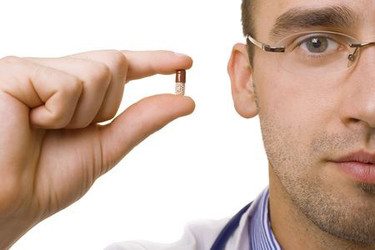
Bio-Zyme: The Digestive Enzyme of Choice

. . . the strongest pancreatic enzyme formula available Once you recognize the need for taking digestive enzymes, which ones should you choose? Which work the best? After one of Raymond’s exhaustive research projects to find “the best of the best,” he chose Bio-Zyme. Bio-Zyme provides the highest-potency pancreatic enzyme complex available and is the most similar to the body’s own natural enzymes. Eight different key enzymes provide full enzyme coverage for digesting carbohydrates, fats and proteins. While other pancreatic enzyme products are often diluted with salt or lactose, Bio-Zyme contains full-strength, undiluted pancreas extract with ten times the usual strength. In addition, Bio-Zyme has been clinically tested (see citations below) for absorption and effectiveness. Many of our customers are mold-sensitive and have problems with most enzymes, which are grown on the aspergillus mold. Even if no living mold and only traces of dead mold remain in these products, appare…

read more

Nov 3rd 2025

What’s Up with Magnesium Stearate?

. . . is it helpful or harmful? If you’re a careful supplement label reader, you’ll often see magnesium stearate listed at the bottom under “Other Ingredients.” You may also have heard or seen various warnings about how magnesium stearate is a toxin, that it interferes with digestion and absorption, or suppresses immunity, or generates harmful “biofilms” in the intestines. While some of these claims fall into the category of false marketing hype, there are valid concerns about this much-maligned substance. Magnesium stearate is commonly used as a lubricant in the supplement industry. It prevents nutrients from sticking together, allowing for a consistently maintained mixture, and it prevents ingredients from sticking and jamming the encapsulation machinery. Problems arise when too much is used, when it is improperly applied or when it is impure and of poor quality. Magnesium stearate is not a toxin. It is a combination of one molecule of magnesium with two molecules of a fatty…

read more

Nov 3rd 2025

It’s Not What You Eat; It’s What You Absorb

. . . you may not be benefiting from nutrients in your food You can be eating the best diet in the world, but if you aren’t absorbing nutrients well, your body won’t be getting the nutrition it needs to be healthy. Unfortunately absorption problems aren’t unusual; in fact they’re all too common. The primary function of the gastrointestinal system is to break down the food we eat into smaller and smaller particles. By the time it gets to the small intestines, where most absorption takes place, it needs to be fully disassembled into tiny sugars, free fatty acids and amino acids that can pass easily through the intestinal lining into the bloodstream. Without fully breaking down your food, not only do you miss out on nutrients, but undigested food particles in the intestines become toxic, leading to all kinds of disease, from headaches to skin problems, arthritis, depression, muscle weakness and many more. Breaking down food into smaller and smaller particles depends on enzymes, s…

read more

Nov 3rd 2025

Anti-Aging: What Works, What Doesn’t

. . . Raymond Francis’ new book on aging is available now! Anti-aging medicine has become a booming industry, with worldwide sales expected to top $291 billion by 2015. Although it’s led some to healthier living (what a concept!), too much of it seems to be a somewhat desperate and sad attempt to regain youth through “magic” pills and risky hormone therapies. Hanneke Hops was 56 when featured in an article in the San Francisco Chronicle about her use of human growth hormone (HGH). Hops was injecting her thigh with HGH 6 days a week, at $23 a pop, and was elated with the results — she was feeling stronger, happier and healthier. A lifelong athlete, she looked forward to continuing her active lifestyle of running marathons, riding horses, and flying private planes. “I don’t mind dying,” she said. “But I mind growing old and suffering.” Hanneke Hops never did grow old. Three months after the article was published, she was dead, her liver riddled with cancer tumors. While not e…

read more

Nov 3rd 2025

The Healing Power of Human Touch

. . . a low-tech way to prevent stroke damage When someone we love is in distress, it’s instinctive to reach out and touch them in a comforting and reassuring way. If that person is having a stroke, such a simple, human response may prevent the stroke from damaging their brain! In the July/August issue of Scientific American Mind, science writer Stephani Sutherland reports on three years of rat studies conducted at the University of California at Irvine. These studies show that when ischemic strokes are induced in rats by severing a cerebral artery, touching their whiskers prevents stroke damage entirely. Strokes occur when blood, carrying oxygen and other nutrients, is blocked from getting to brain cells. Deprived of nutrients, especially oxygen, the brain cells soon die. About ¾ of all strokes occur because of clots (ischemic strokes); the other ¼ (hemorrhagic strokes) occur because a blood vessel has burst. Touch, at least in rats, stimulates the creation of new routes f…

read more

Nov 3rd 2025

Problem Teenager? They May Need Omega-3 Fats

. . . most Americans are deficient in this essential fatty acid Omega-3 fatty acids, found primarily in fish and flax oils, are notoriously deficient in the modern diet. These deficiencies have been linked to mood disorders, addictions, and even schizophrenia that typically occur from adolescence to early adulthood. A recent University of Pittsburgh study used rats to look at how two generations of omega-3 deficiency affected cognition and mood. Both generations suffered impairments, but the second generation, now in its adolescence, fared worse. Although the rats appeared to be in good physical health, when tests were administered to measure learning, memory, decision-making, anxiety and hyperactivity, impairments were noted, and these were worse in the second generation of deficient rats, now in their adolescence. The teenage rats were “more anxious and hyperactive, learned at a slower rate, and had impaired problem-solving abilities,” according to a University of Pittsburgh…

read more

Nov 3rd 2025

The Truth About Antioxidants…Health Miracle or Hype?

. . . stunning results from recent survey show Americans are confused and misinformed What do rotting pears, rusty car fenders, and sunburned skin have in common? If you guessed oxidation, you’re right! Oxidation occurs naturally in all living cells. Including the human body. Scientifically, oxidation is a natural chemical reaction between any substance and oxygen—a highly reactive molecule—where the reacting atom loses an electron. When an atom loses an electron, it becomes a free radical…and very unstable. Yet its tendency is to become stable again. So, it begins attacking other substances to “steal” back an electron. The attacked atom loses an electron and becomes a free radical itself…beginning a chain reaction. What if this chain reaction in the body is not stopped? The free radical assault damages cell membranes and other structures including cellular proteins, lipids, and even DNA. This cellular damage leads to chronic disease and premature aging. Free radicals aren’…

read more

Nov 3rd 2025

Antioxidants

. . . what they are and why you probably need more of them One of the reasons fruits and vegetables are so healthy for us is that they supply lots of antioxidant chemicals. And these days, we can all use all the extra antioxidants we can get. What exactly are antioxidants, and why do we need more of them now than ever? To understand antioxidants, it’s first necessary to understand free radicals. A free radical is an atom or molecule with one or more unpaired electrons. Because electrons like to travel in pairs, unpaired electrons are chemically unstable. They are apt to attack the nearest stable molecule and steal an electron from it, creating a new free radical from the previously stable molecule. This process is called oxidation, and the best example of it outside the body is the formation of rust. Oxidation can initiate a chain reaction of molecules stealing electrons from each other that ends up damaging cells and body tissues, ultimately causing disease and aging. When free…

read more

Nov 3rd 2025

What is an ORAC Rating?

. . . outstanding indicator of antioxidant power…or overrated and outdated? In 1991, Dr. Guohua Cao from the NIH National Institute on Aging—in conjunction with scientists at the United States Department of Agriculture (USDA)—developed the Oxygen Radical Absorbance Capacity (ORAC) rating to measure the antioxidant capacity of phytonutrients in food sources. Since then, ORAC units have been used as the standard for determining the power of foods and supplements to quench free radicals in the body. USDA abandons ORAC However, last year a dispute over the validity of the ORAC rating of foods and supplements took center stage. You may have heard news that the USDA withdrew its support for using ORAC scores. They claimed it no longer was a valid indicator of a food substance’s ability to quench free radicals. Why? Because ORAC tests substances in vitro—a controlled experiment using test tubes—insisting no physiological proof exists to indicate these same results occur in the…

read more

Nov 3rd 2025

How Meaningful is Your DEXA Score?

. . . Bone density scores do not correlate with fracture risk A lot of women, and some men, are scared into taking toxic medications by tests called DXA or DEXA (dual-energy x-ray absorptiometry) that measure bone density — the amount of mineral matter, like calcium, phosphorus, magnesium and others, in your bones. Your DEXA scores are compared with those of a hypothetical healthy 30-year-old woman; if they are a certain degree lower than this standard, you are told you have either pre-osteoporosis (osteopenia) or osteoporosis itself, and that you are at an increased risk of having a fracture. About 40% of all postmenopausal Caucasian women fall into the osteopenia range, and another 7% into the osteoporosis range. Yet, according to a recent article in Scientific American, DEXA test results don’t correlate well with fracture risk. In a 2007 Canadian study, for example, data on over 16,000 postmenopausal women were analyzed. It was found that more than half of all fractures occurr…

read more

Nov 3rd 2025

Vitamin C and Your Bones

. . . it’s absolutely critical to bone health Many people, including many doctors, believe all you need to build bones is calcium and vitamin D — and more recently vitamin K. But you need all the nutrients working together as a team to produce the health that supports healthy bones, and none is more important than vitamin C. One of the symptoms of scurvy (caused by extreme vitamin C deficiency) is deteriorating bones and teeth. Most animals produce their own vitamin C (humans, along with apes, guinea pigs and fruit bats have lost this ability), but animals who through some genetic defect can’t, develop severe osteoporosis. Vitamin C is critical to building healthy bone because it is needed in forming collagen. The most abundant protein in the body, collagen is a stiff, jelly-like substance found in all body tissues, including bone (yes, bone is considered a tissue). Collagen is, in a sense, what holds us together. It is what forms the matrix in bone where minerals are embedded…

read more

Nov 3rd 2025

Optimal Bone Health—You Mean Calcium Alone isn’t Enough?

. . . it’s a great start, but here’s how to finish well Bone health is a serious matter for most seniors. In fact, by the year 2020, the National Osteoporosis Foundation predicts half of all Americans over age 50 can expect to have low bone density, or osteoporosis. Along with that, an increased risk for developing painful and debilitating fractures. Maybe it’s already hit close to home…and goes something like this Someone you know suffers a hip fracture without warning. They endure a long painful recovery. But still are unable to walk without assistance. Maybe, they’re confined to a nursing home. Or maybe their luck runs out. And within months, they die due to complications from the fracture. This happens more often than you’d think. In fact, 1 out of 4 Americans who suffer a fracture due to osteoporosis die within three months. Women are especially vulnerable. Osteoporosis kills more women each year than cancer of the breast, cervix, and uterus combined. Bone loss star…

read more

Nov 3rd 2025

Our Sugar Addiction…It’s Anything But Sweet

. . . sugar is a dangerous food substance and a major reason Americans are aging faster By now, you’ve heard how bad sugar is for your health. Recent studies link excess refined sugar to over a dozen health conditions, among them heart disease, stroke, and type-2 diabetes, hypertension, Alzheimer’s disease, obesity, and dementia. Now, scientists have further proof that sugar is toxic—even at levels considered safe for humans. Researchers at the University of Utah showed that when mice ate a diet of 25% added sugar—the same proportions considered safe for humans—females were 100% more likely to die and males were 25% less likely to reproduce. How significant are the toxic effects of sugar revealed in this study? It had such a profound effect on its senior author and biology professor Wayne Potts that he has since reduced the amount of refined sugar he eats and cautions his family to do the same. How bad is it? Check out this popular sugar infographic by OnlineNursingProgr…

read more

Nov 3rd 2025

Curcumin Outperforms NSAIDS in Rheumatoid Arthritis

. . . without adverse side effects A recent study done in India found that 500 mg of curcumin taken twice daily outperformed a commonly used non-steroidal anti-inflammatory drug (NSAID), diclofenac, in alleviating pain and inflammation in rheumatoid arthritis. Most importantly, those participants taking curcumin had none of the adverse side effects that are so common with NSAIDS. This was a pilot study involving only 38 participants, however the authors noted that a 2009 study comparing curcumin with ibuprofen for relieving osteoarthritis symptoms produced similar results. The study followed the participants, all of whom had mild-to-moderate rheumatoid arthritis, for 8 weeks. Adverse side effects reported in the diclofenac group were itching and swelling around the eyes, dimness of vision, and increased measures of liver toxicity. The researchers noted that typical symptoms of NSAIDS include gastrointestinal bleeding, increased blood pressure, accelerated osteoporosis, decr…

read more

Nov 3rd 2025

Lose the Pain by Addressing the Cause

. . . glucosamine addresses arthritic pain by healing joints There isn’t a single drug for relieving arthritic pain that doesn’t have serious adverse side effects.  Yet there is a natural substance that has been shown to alleviate pain as well as non-steroidal anti-inflammatories (NSAIDS). Because it is a normal body constituent, it has few side effects (mild stomach upset is usually alleviated by taking it with food). Best of all, it reduces osteoarthritic pain primarily by addressing and healing its cause – deteriorating joints. This substance is glucosamine. The bones in our joints are cushioned by cartilage bathed in lubricating fluid. Osteoarthritis occurs when cartilage breaks down faster than it can be produced, becoming thin, stiff and dry. The bones begin to rub against each other, causing pain, inflammation and further damage to cartilage, as well as to other tissues, nerves and bone. Glucosamine, found in almost all body tissues, is a basic building block for both c…

read more

Nov 3rd 2025

Trade in the Back Pain for Osteoporosis

. . . epidural steroid injections lead to significant bone loss It’s estimated that 8 out of 10 people will experience back pain at some point during their lives, especially with age. Physical therapy together with non-steroidal anti-inflammatories (NSAIDS) is conventional medicine’s approach to alleviating back pain. If this fails, epidural steroid injections (ESIs) are often suggested. However any benefit derived from ESIs comes at a cost to your health. A new study confirms that one of these costs can be significant bone loss. In a study published last December in the journal Spine, 28 postmenopausal women aged 65 and older with lower back pain were given ESIs. Their bones were then evaluated over the next six months. Although half of the women dropped out for various reasons, by the end of the study the remaining 14 were found to have lost a significant amount of bone at the hip – six times as much as age-matched controls. Steroids are extremely powerful drugs. While th…

read more

Nov 3rd 2025

Not Feeling in the Pink? Try Zinc!

by Raymond Francis Building a healthy immune system, so that it’s there when you need it, means fortifying yourself with all the basic vitamins and minerals every day. It’s also important to keep inflammation under control. Chronic inflammation is a constant tax on the immune system, weakening immunity. It tends to increase with age; however it can be controlled with good diet, supplements and other healthy lifestyle choices. Zinc is one of the foundation nutrients needed for building a strong immune system. It’s been proven to reduce excess inflammation and to restore vigor to immune cells. It seems to condition immune cells so that they’re ready to meet the challenge of flu. Even a small deficiency of zinc can significantly impair immune function. Unfortunately a United States Department of Agriculture study found 73% of Americans are deficient. The average American diet supplies about 10 mg a day of zinc, while the RDA is 15 mg. But your need for zinc can be much higher tha…

read more

Nov 3rd 2025

Leaky Gut -- The Source of Your Problems?

by Raymond Francis Have you got allergies? Any one of a number of digestive complaints and disorders? A chronic sinus infection? Arthritis? Brain fog? Unexplained rashes? Fatigue? Headaches? All of these symptoms and many more may have a single cause — a leaky gut. A leaky gut is a situation in which the “tight junctures” between the cells of the lining of your intestines develop spaces between them. This creates a diseased condition in which undigested food particles as well as pathogens and toxic by-products get through holes in the gut and are admitted into the bloodstream. Such a flood of intruders sends the immune system into red alert ultimately leading to systemic inflammation, autoimmune disease, and immune exhaustion. The effects on your health are catastrophic. This condition is epidemic today, and is causing massive amounts of disease. Alternative practitioners have been diagnosing and treating it for decades, yet conventional medicine is skeptical that it even exis…

read more

Nov 3rd 2025

Positive TB Skin Test

Question: : I have a six-year-old son who has just tested positive for a skin TB test. I am not happy with the antibiotic treatment recommended by the doctor, and I am looking for other options. Do you have any suggestions? S. S. – Fort Lauderdale, FL Answer: First you have to determine if any treatment is needed. The skin reaction could be a false positive and no treatment is required. The first thing to do is ask for a blood test. Ask to have a MELISA test. If the test is negative, there is no need for further action. If the test is positive, then you need to look further. If there is an active infection, then there are a variety of treatments available that do not involve dangerous prescription drugs like antibiotics. Vitamin C is always essential, and treatment with intravenous vitamin C would be one option to consider. Another option is vitamin D. A study in Indonesia cured 100 percent of the patients, with several forms of active tuberculosis, by using 10,000 IU per day…

read more

Nov 3rd 2025

Vitamin D3

Question: Winter is coming.  I am sure this is when people will be in the need for vitamin D.  What do you recommend people should take every day? L. O. — Baltimore, MD Answer:  People should take the amount they need. The health benefits of vitamin D are growing as more research is published, and more experts are recommending higher doses. I advise that people should ask their doctor to measure their 25-hydroxy vitamin D levels and then keep their serum vitamin D at the high end of normal. Supplement with whatever amount is necessary to achieve this. A new study out of China showed that 94 percent of people between the ages of fifty and seventy were deficient in vitamin D. Research published in a recent Journal of Nutrition recommends an intake of 2100 and 3100 International Units(IUs) per day during the winter months. The anti-cancer properties of vitamin D appear to click in at daily doses of about 1,100 IUs. The current official recommendation is 200 IUs per day for those…

read more

Nov 3rd 2025

MSM Decreases Joint Degeneration in Osteoarthritic Knee

. . . the case has been made for treating arthritis and its symptoms with MSM Although plenty of people swear by MSM (often taken along with glucosamine and chondroitin) for alleviating their arthritis symptoms, the kind of large studies that convince doctors have not yet been done. No surprise here. MSM is not a patent medicine, so there’s little incentive to pour millions of dollars into investigating it. But smaller studies have gradually built a convincing case for the efficacy of MSM in treating arthritis and reducing symptoms of pain, stiffness and loss of function. A recent animal study out of Japan used mice bred to develop osteoarthritis to duplicate MSM’s effects on human arthritic joints. They found that when the mice took MSM at a dose comparable to what’s recommended for humans for 13 weeks it “decreased degeneration of the cartilage at the joint surface in the knee joints in a dose-dependent manner” – meaning the more MSM the mice received, the less their joints det…

read more

Categories

Tags

Disclaimer

Information contained in NewsClips articles should not be construed as personal medical advice or instruction. These statements have not been evaluated by the Food and Drug Administration. Products are not intended to diagnose, treat, cure or prevent any disease.