null G-5DLXE7JB0V

Your Cart

Your cart is empty

Continue shopping
Skip to main content

Nov 3rd 2025

Berberine and Weight Loss

Gut HealthOne good thing about getting older is that we generally become more self-accepting, warts and all.  And if we’re getting a little paunchier in our mid-sections, in the broad scheme of things it’s just not the big deal it would have been in our greener years. Besides, as my good friend Alice says, “everybody’s fat now.” But cosmetic issues aside, gaining fat is an indication that our cells are in trouble. The fact that we’re hardly alone in this predicament doesn’t mean it’s not something to be concerned about. A spreading middle means we’re headed in the wrong direction—the direction of premature aging and chronic disease. Fat cells produce inflammatory chemicals, and chronic inflammation is a common denominator of chronic disease. Being overweight increases your risk of high blood sugar and is the single best predictor of developing type 2 diabetes. High blood sugar causes glycation—a “sugar-coating” of proteins, and since our bodies are made of protein, gly…

read more
Your Liver May Need Special Care

Nov 3rd 2025

Your Liver May Need Special Care

Is your liver taking a beating? Are you an artist, painter or printer, or do you work in a dry cleaning establishment or photocopy shop? If so, you’re exposed to liver-damaging volatile organic solvents daily. Other types of jobs involve different unavoidable and heavy toxic exposures. Bicycle commuting in traffic exposes you to an unhealthy dose of air pollutants. Or do you have a liver disease like hepatitis, cirrhosis, alcohol or drug-induced liver disease, or elevated liver enzymes? (a test your doctor can give you to see if your liver is breaking down) Liver damage/disease are no fun. Fatigue, digestive problems, allergies and frequent colds, flu and other infections; rashes; various aches, pains and other discomforts; mood swings and an inability to deal with stress are just some of the unpleasant consequences of liver overload and disease. Liver Care is a carefully formulated blend of synergistic nutrients in their purest, most bioavailable forms, and includes the liv…

read more
Making Health Choices as a Family

Nov 3rd 2025

Making Health Choices as a Family

How do you get your family to adopt better health habits?  At Beyond Health we get this question a lot, especially from people who’ve read one of Raymond Francis’s books and have become convinced they want to make some major changes in their lifestyle.  Here are some ideas. First, make time to talk with your spouse or other adult members of the family about your family’s health and what you’ve been learning. They may be “ripe for the picking” and enthusiastic about your ideas. Or they may be ready to make some changes, and not others. You may be excited about going raw and vegan; they may want hot, cooked meals for dinner. You may want to refuse vaccinations for your children; they may want to do more research first before taking such an unpopular stance. Encourage them to empower themselves by reading Raymond Francis’s book The Great American Health Hoax, so it’s not just you who’s supplying information. The Maintenance List chapter alone is worth the price of the boo…

read more
Omega - Deficiency Linked with Anger and Violence

Nov 3rd 2025

Omega - Deficiency Linked with Anger and Violence

In our polarized country, anger is common.  Not that there aren’t legitimate reasons why many people are angry or ways that anger can be used constructively to make positive change. But often you can sense in people a kind of aimless anger, an angry mood just looking for a target. What if a lot of this anger had to do with diet?  It probably does.  Just like depression (which is described as anger turned towards the self), anger can be a mood disorder, and the Standard American Diet (SAD) fosters mood disorders. Omega-3 fatty acids—lacking in the SAD—are key to mental health and a feeling of well-being. One of the brain’s major components is docosahexaenoic acid (DHA), an omega-3 fat, and the association between low DHA brain levels and depression, suicide and violence is well established.  Receptors in the brain for the “reward” and “feel-good” neurotransmitters dopamine and serotonin are made from DHA. If DHA isn’t available, the body will use inferio…

read more

Nov 3rd 2025

Is Your Blood Too Sticky?

Millions of Americans, especially older Americans, are on drugs called blood-thinners, usually the drug Coumadin (warfarin). Many more take a daily aspirin to thin their blood.Although these drugs are called blood thinners, what they actually do is make blood platelets less sticky and apt to form clots. Since sticky blood platelets and clots are a major factor in increasing blood viscosity, these drugs have the effect of thinning the blood.What’s wrong with thick, sticky blood? Is your blood too sticky? And if so, are drugs the answer, or are there more natural alternatives?Problems with Sticky BloodClotting is crucial to survival. Without good clotting ability, a small cut could lead to massive blood loss, and even death. However blood that clots too easily or fails to break down clots that are no longer useful is equally life-threatening: an undesirable clot that blocks an artery can cause a fatal heart attack or stroke. While some people suffer from genetic clotting defects that mak…

read more

Nov 3rd 2025

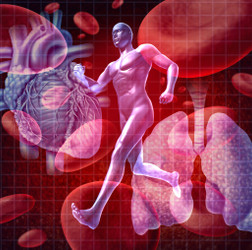
Increased Physical Activity in Seniors Boosts Heart Health

With statistics showing their risk of heart disease increases with age, seniors are constantly reminded to go easy on their heart. So it may seem counter-intuitive, even dangerous, to get more active in retirement.But can adding in a bit of daily activity or exercise lower that risk and improve overall heart health in aging seniors? That’s what a team of researchers at the Harvard School of Public Health in Boston and the University of Porto in Portugal recently set out to determine.As part of a larger community-based study on heart disease risk factors called the Cardiovascular Health Study, 985 adults aged 65 and older wore heart monitors 24 hours a day for 5 years. In the new study, researchers analyzed recordings of their heart rate variability, those time differences between one heartbeat and the next during normal daily activity.According to researcher and lead author of the study Dr. Luisa Soares-Miranda, when monitoring changes in heart rate variability, scientists can predict…

read more
Self-Soothing:  Body, Feelings and Mind

Nov 3rd 2025

Self-Soothing: Body, Feelings and Mind

The new COVID-19 world is a world beset by fear. Unseen viral particles can be lurking anywhere. Should one find us, we don’t know for sure how we would respond. And with social patterns dramatically altered and the economy collapsing, we are losing our sense of comfort, safety and being in control, leading to a stressful sense of chronic uncertainty and anxiety. We know from many scientific studies that stress negatively affects health. But although there may be little we can do to avoid stress in a COVID-19 world, we can use self-care to decrease and minimize the negative effects of stressful feelings. For example, you can pray or meditate.  Or you can simply bring calm and non-judgmental attention to how you’re feeling.      We’ve talked before about a helpful exercise called Body-Feelings-Mind. In this exercise, you find a comfortable position in a quiet place and, with eyes closed, check in with how you’re feeling, first ph…

read more
It Takes a Team of Nutrients to Build Strong Bones

Posted by Ralph Panttaja on Nov 3rd 2025

It Takes a Team of Nutrients to Build Strong Bones

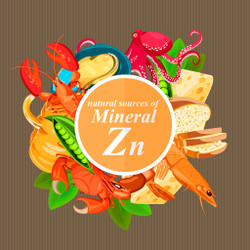
Raymond Francis often says, “If you are deficient in only one nutrient, you will get sick, guaranteed.” Although many people still focus single-mindedly on calcium, bone-building is a team sport. While calcium may be the star player, it’s ineffective and even dangerous without its teammates. If even one member of the team goes AWOL, your bones will suffer. Bones are about half mineral and half protein. Minerals give bones their hardness—an important quality if you want to stand up straight. However a large part of bone consists of “bone matrix:” flexible tissue made of collagen and studded with hard minerals. Calcium accounts for about 64% of bone’s mineral content, but phosphorus and magnesium also contribute to bone hardness. Zinc, manganese, silica and copper are used as co-enzymes in constructing bone matrix. Vitamin C is needed to create collagen. Vitamins C, D and K and the minerals boron, chromium, germanium, selenium and vanadium play various roles in what’s called bone…

read more
Local or Organic – Which to Choose?

Posted by * on Jul 1st 2025

Local or Organic – Which to Choose?

Carnivore, herbivore or omnivore, it behooves us all to be locavores—people who buy food from local farms. Buying both local and organic is usually best the best option. This not only supports your health by consuming fresher food, it also supports your local economy and helps the environment. Buying locally is often a bargain for both consumer and farmer. The consumer may pay less by eliminating middlemen, and the farmer gets a fair return. According to the Organic Consumers Association (OCA), using conventional channels farmers get only an average of 20 cents for every dollar spent on food. They do much better selling direct. Local produce is fresher. Produce begins losing nutrient value within hours after it is harvested, and many vegetables and especially fruits are weeks and even months old before they reach outlets. Crops destined for shipping, especially fruit, are often picked before they’re ripe and never reach their maximum nutrient potential. According to one rep…

read more

Categories

Tags

Disclaimer

Information contained in NewsClips articles should not be construed as personal medical advice or instruction. These statements have not been evaluated by the Food and Drug Administration. Products are not intended to diagnose, treat, cure or prevent any disease.