null G-5DLXE7JB0V

Your Cart

Your cart is empty

Continue shopping
Skip to main content
The Omega-3 Index: A Way to Measure Your Tissue Levels of Omega-3 Fatty Acids

Posted by Beyond Health on Nov 3rd 2025

The Omega-3 Index: A Way to Measure Your Tissue Levels of Omega-3 Fatty Acids

We’ve been writing recently about the importance of a particular family of fatty acids called the omega-3 fatty acids. Omega-3s are found in flaxseeds and flax oil, green leafy vegetables, and non-farmed fatty fish, like salmon, anchovies, herring and sardines. Thousands of studies have shown that having high levels of omega-3s in your blood helps to prevent and reverse all kinds of chronic disease, including heart disease, cognitive decline and dementia, diabetes, cancer, depression and anxiety, eye problems like macular degeneration, arthritis, autoimmune disease, neurological disease and more.  Wouldn’t it be nice to know exactly how much omega-3s you had in your tissues?  Well, now you can! Dr. William Harris is a research professor at the Sanford School of Medicine in South Dakota.  He has been studying fish oil and omega-3 fatty acids since the 1970s. With fifty years of research under his belt and over 80 published papers, he is an expert in th…

read more
Vaping: More Risks Than Benefits

Posted by Beyond Health on Nov 3rd 2025

Vaping: More Risks Than Benefits

According to the American Lung Association , cigarettes kill almost half a million Americans every year, making it the leading cause of preventable deaths in the US. Cigarettes contain over 7,000 chemicals, many of them harmful, and are a significant health hazard not only to those who smoke but for anyone forced to breathe second-hand smoke. So when vaping was introduced a little over a decade ago, promising to provide equal satisfaction at a considerably reduced health risk, it sparked considerable interest. Vaping employs a battery-powered electronic cigarette or e-cigarette.  Some look like traditional cigarettes, while other popular devices look like pens, phones, USB sticks, and even tubes of lipstick. They have a cartridge, or “pod,” filled with liquid, typically containing nicotine, flavors and other chemicals. When you activate a heating element that turns this liquid into an inhalable vapor, you can puff on the e-cigarette. Inhaling this vapor (vaping) is…

read more
The Real Cause of Osteoporosis: Acidosis

Posted by Beyond Health on Nov 3rd 2025

The Real Cause of Osteoporosis: Acidosis

Osteoporosis [is the price we pay for] chronic metabolic acidosis, which robs us of our mineral reserves and impairs efforts to rebuild the bone matrix. – Susan E. Brown, PhD, CCN, and Russell Jaffe, MD, PhD, CNN Both men and women are concerned about their bones.  Unfortunately, this well-founded concern (more than half the US population over fifty is affected by osteoporosis and low bone density) has led too many people to focus solely on loading up on calcium with or without vitamin D. We’ve written before about the need for a full “team” of nutrients to build bone. Our Bone Mineral Formula contains such a team—19 different nutrients interacting synergistically. But diet plays an even more central role in preventing osteoporosis, specifically when it comes to acid-alkaline balance. Bones aren’t just scaffolding; they’re also storage depots for minerals. Our survival depends on maintaining a certain range of pH (a measure of acid-a…

read more
Assessing Magnesium Deficiency

Posted by Beyond Health on Nov 3rd 2025

Assessing Magnesium Deficiency

Do you have any of these health issues?  Allergies or Asthma Autoimmune Illness Heart Disease Irregular or rapid heartbeat  High blood pressure  Blood clots Congestive heart failure Chronic excessive muscle tension  Muscle spasms, tics, cramps or tremors (especially in hands, legs, feet or face) Clumsiness, lack of coordination  ADD/ADHD Alzheimer’s disease Autism Parkinson’s disease  Irritability, nervousness, anxiety, easily upset  Extreme sensitivity to noise and/or pain  Candida yeast infection Gut Disorders, including peptic ulcer, Crohn’s disease, and colitis Chronic constipation  Eating disorder; cravings for sugar and/or chocolate Poor appetite  Depression, apathy  Confusion, difficulty concentrating, memory problems  No energy, weakness, exhaustion Chronic fatigue syndrome/fibromyalgia  Insomnia/restless sleep Insulin resistance/diabetes/hypoglycemia/metabolic syndrome Tension and/or m…

read more
Protecting Your Lungs From COVID-19

Posted by Beyond Health on Nov 3rd 2025

Protecting Your Lungs From COVID-19

COVID-19’s preferred habitat is the respiratory tract, where it is most life-threatening in the lungs.  Infected lungs can become so congested that breathing becomes impossible without the help of a ventilator, and even using a ventilator hasn’t been enough in some cases to prevent death. So now is a good time to give your lungs some special care and consideration.  If you already have lung problems, such as asthma or chronic obstructive pulmonary disease, you’re more apt to get serious complications like pneumonia from COVID-19.  And whether or not you have existing lung problems, air pollution exposure increases your risk.  According to Dr. Meredith McCormack, a spokeswoman for the American Lung Association and associate professor of pulmonary and critical care at Johns Hopkins University, recently quoted in the New York Times , “Increased pollution increases susceptibility to infection. . . . All things being equal, a person exposed to a…

read more
Curcumin and Heart Disease

Posted by Beyond Health on Nov 3rd 2025

Curcumin and Heart Disease

If you come from a family where heart disease has affected loved ones, or if you have heart disease yourself, you no doubt have a special anxiety about having a sudden heart attack or stroke. But heart attacks and strokes, like all forms of disease, are preventable.  It takes care and attention, but the rewards are great and the penalties severe. Anyone worried about heart disease needs to know about the wonderful things the supplement curcumin can do to help strengthen your cardiovascular system and reverse many of the risk factors involved in heart disease. High Blood Pressure. Curcumin lowers high blood pressure through multiple means. As a powerful antioxidant and anti-inflammatory, curcumin protects blood vessels from oxidation and inflammatory damage. Curcumin improves the function of the inner lining of blood vessels, called the endothelium, which secretes signaling molecules that control blood pressure. Curcumin improves blood vessel elasticity; in one study, it was alm…

read more
Dealing with Anxiety with Mental Imagery

Posted by Beyond Health on Nov 3rd 2025

Dealing with Anxiety with Mental Imagery

Mental imagery—the practice of allowing images (sometimes pictures, sometimes just a “felt sense”) to emerge from the subconscious mind—has been used throughout human history to seek insight and wisdom for healing and for solving problems. I would like to share a recent experience of it with you as an invitation to try it for yourself as a way to deal with our anxiety-filled COVID-19 world. It requires some investment of time to learn, but in my experience it offers rich rewards.  To get a clearer picture of an underlying feeling of anxiety that had been with me since the beginning of the pandemic I set a timer for 20 minutes and began by sitting cross-legged on a cushion on the floor in my living room, with my eyes closed.  I then paid attention to my breath, letting it help me become more quiet and settle into the present moment.    As I tried to get a mental image for my feeling of anxiety I sensed I was in a forest and that a…

read more
Quercetin and Cardiovascular Disease

Posted by Beyond Health on Nov 3rd 2025

Quercetin and Cardiovascular Disease

Cardiovascular disease is our leading cause of death by disease; quercetin is one of your best defenses against it. Quercetin is a type of antioxidant polyphenol called a flavonoid found in fruits and vegetables. Research confirms its ability to prevent heart disease and promote overall health. Large population studies have found that diets high in quercetin are associated with reduced risk of developing heart disease. Further research has found that quercetin helps prevent heart disease in these eight ways. Quercetin supplementation in humans lowers total and LDL cholesterol while raising HDL. Laboratory and animal research indicate that quercetin triggers removal of cholesterol from artery walls leading to plaque regression.   LDL cholesterol doesn’t form dangerous plaque unless it becomes oxidized. It has recently become possible to get a blood test showing your level of oxidized LDL through standard laboratories.  We encourage everyone to ask for this test…

read more
Another Source of Healthy Polyphenols: Green or White Tea

Posted by Beyond Health on Nov 3rd 2025

Another Source of Healthy Polyphenols: Green or White Tea

Polyphenols are antioxidant compounds found in plant foods that have myriad benefits for human health.  As powerful antioxidants and anti-inflammatories, they’re protective against just about every disease imaginable through a variety of mechanisms. We suggest supplementing with one of our quercetin formulas, Quercetin Pro or Cell Repair, to boost your polyphenol intake. Another way to get more polyphenols into your life is to make a habit of drinking green or white tea.  Both of these teas are made from the same Camellia sinensis leaves, but white tea has gone through less processing and retains more polyphenols.  It also has less caffeine and more soothing theanine.  Camellia sinensis leaves contain four kinds of polyphenols called catechins, the most potent of which, where health benefits are concerned, is epigallocatechin-3-gallate (EGCG).  EGCG and quercetin possess many of the same abilities, including one that’s relevant to the COVID epidemi…

read more
The Meal Replacement Trend

Posted by Beyond Health on Nov 3rd 2025

The Meal Replacement Trend

Why everyone’s hopping on the meal replacement bandwagon? Being overly busy has become our new reality. And when it comes to making the healthy meals and snacks that are so important for our health, there never seen to be enough hours in the day. We can resort to restaurant meals and take-out, but these are expensive and not necessarily healthy. Frozen dinners and cheap fast food chains have filled the gap since the 1950s, but though they may satisfy our stomachs and provide calories, these chemical-laden meals lack nutrition and have been a disaster for our national health—major contributors to obesity and chronic disease. What we need are healthy, good-tasting convenience foods that can be used to make quick, easy meals and snacks at a reasonable price. In recent years, a flock of meal replacement (MR) products have entered the market promising to fill that need. Some target specific issues, like weight loss and fitness support. Others are designed to meet the needs of…

read more
The Most Miraculous Molecule You Can Put into Your Body

Posted by Beyond Health on Nov 3rd 2025

The Most Miraculous Molecule You Can Put into Your Body

Ever since it saved his life, Raymond Francis has considered vitamin C—if it’s the right kind—to be the most miraculous molecule you can put into your body. Years ago, before Beyond Health was a gleam in Raymond’s eye, he wasn’t thinking much about the future. The truth is, he wasn’t sure he even had a future. Near death, he called his brother Bernie, who flew across the country, fearing the worst, to be by his side. What Bernie found was shocking. Raymond looked like a skeleton and was in a semi-comatose state. However, the stars must have been aligned that day, because Bernie had brought with him a book he’d heard about: it was "Norman Cousin’s Anatomy of an Illness." Although Cousins is known primarily as the man who cured himself of a devastating “incurable” illness with laughter, the other therapy Cousins used for his miracle cure was megadoses of intravenous (injectable) vitamin C. Too weak and discouraged to do much lau…

read more
A New Answer to Problems with Your Intestines

Posted by Beyond Health on Nov 3rd 2025

A New Answer to Problems with Your Intestines

Are you bothered by abdominal bloating, gas, flatulence, belching or an irritable bowel (constipation alternating with diarrhea, or maybe predominantly one or the other)? You may have a condition called “small intestine bacterial overgrowth,” or SIBO, a relatively newly recognized form of intestinal dysbiosis. You may already know about one kind of intestinal dysbiosis, where candida and/or other bad bugs get the upper hand over the good bugs in your intestines. SIBO is another kind of intestinal dysbiosis found only in the small intestine—that twenty-foot long convoluted tube curled up in your abdomen that leads from stomach to colon. When bacteria and other microorganisms that usually live in the small intestine, with beneficial or at least neutral effects, proliferate abnormally (“overgrow”), a pathological situation develops. This leads to the kind of symptoms mentioned above, as well as to nausea, leaky gut, malabsorption and deficiencies in certain n…

read more
Prostate Problems — Inevitable?

Posted by Beyond Health on Nov 3rd 2025

Prostate Problems — Inevitable?

By age 80, about 90% of men have an enlarged prostate, also known as benign prostatic hyperplasia, or BPH. It’s now considered inevitable in most men. While BPH can be asymptomatic, when symptoms occur, they range from bothersome to life-threatening. LUTS (lower urinary tract symptoms) are produced when the prostate, which encircles the urethra, begins squeezing it, interfering with urinary function. Symptoms can include a weak, interrupted urine stream; a sense of incomplete bladder emptying; dribbling; difficulty starting or stopping urination; frequent urination, especially at night; a painful, burning sensation during urination; and sudden urgent needs to urinate. Damage to the urethral lining encourages urinary tract infections. BPH sometimes gets progressively worse, causing bladder stones, incontinence, pain during intercourse, impotence and even life-threatening conditions such as complete blockage of urine flow or irreversible bladder or kidney damage…

read more
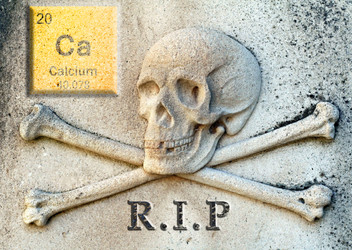
Death by Calcium!

Posted by Beyond Health on Nov 3rd 2025

Death by Calcium!

Calcium, once lauded as a superstar for preventing and curing osteoporosis, now seems to be a nutrient-non-grata among both conventional and alternative “experts.” Vitamin C researcher, Thomas E. Levy, has even entitled a book Death by Calcium! How did an important nutrient, in which most Americans especially the elderly are deficient, come to such a sorry pass? The calcium saga goes back several years to a time when it was anointed a “magic bullet” to solve the problem of osteoporosis. Need more bone? Just take lots of calcium! When that didn’t work as well as hoped, the experts said well you should probably take your calcium with vitamin D. This worked a little better, but was still less than ideal. In fact, calcium needs a whole “team” of nutrients for its absorption and proper utilization. Vitamins D and K (especially K2) and the mineral magnesium are star players on the team, but check the label on Beyond Health’s Bone Mineral Formul…

read more
“Miracle Cure” for Depression Suppressed

Posted by Beyond Health on Nov 3rd 2025

“Miracle Cure” for Depression Suppressed

This is a good news/bad news story. First the good news. As reported by investigative journalist Lynne McTaggart, in The Optimist, there is a doctor in England, originally from India, named Joseph Chandy, who has become renowned over the past forty years for miraculously curing hundreds of patients of their depression, as well as multiple sclerosis and chronic fatigue. In 2006, a BBC segment on him featured grateful patients whose lives had been turned around. Multiple sclerosis patients said they were able to get up out of the wheelchairs. Dr. Chandy’s miraculous treatment? Vitamin B12 injections. It seems that Dr. Chandy discovered early on one of the two causes of disease: nutrient deficiency. As Raymond Francis wrote back in 2003: Proper nutrition is the single most important factor in preventing and reversing depression. Consider that the inventor of the anti-anxiety drug Valium later discovered that B vitamins could produce exactly the same benefits as Valium, without side…

read more
Steaming: a Healthy Way to Prepare Vegetables

Posted by Beyond Health on Nov 3rd 2025

Steaming: a Healthy Way to Prepare Vegetables

Although we recommend eating most of the diet raw, a number of studies have shown that steaming preserves more nutrients than other forms of cooking, and in certain instances can even increase or release nutrients over and above what you’d get from eating the vegetables in question raw. Glucosinolates are compounds found in cruciferous vegetables (like broccoli, cauliflower, and Brussels sprouts) that protect against cancer. Scientists suggest that 3-5 servings a week of cruciferous vegetables provide a substantial cancer protective benefit. But to become properly activated, glucosinolates need to be mixed with the plant enzyme myrosinase. This mixing happens when you bite into your broccoli or Brussels sprout and crush the cellulose walls that otherwise keep the glucosinolates and myrosinase separated. But cooking can destroy myrosinase, and who wants to eat raw broccoli? Fortunately, according to a recent article in Tuft’s Health and Nutrition Letter, scientists at the Un…

read more
Are Organics Worth the Price? YES!

Posted by Beyond Health on Nov 3rd 2025

Are Organics Worth the Price? YES!

An international team of researchers, including the renowned Charles Benbrook at Washington State University, reviewed 343 peer-reviewed studies comparing organic with conventional produce. Their conclusions?  Organic food is more nutritious, especially in antioxidant polyphenols that have been linked to lowering the risk of chronic diseases like heart disease, neurodegenerative disease and cancer.  Organic produce is safer. Conventionally grown crops were 4 times more likely to contain pesticide residues and, in addition,they had significantly higher concentrations of the toxic heavy metal cadmium. When interviewed, Benbrook noted that the quality and reliability of comparison studies has greatly improved in recent years leading to the discovery of significant nutritional and food safety differences not detected in earlier studies. In 2003, the Centers for Disease Control and Prevention (CDC) reported finding pesticides in every one of the 9,000+ Americans they tested. The…

read more
Going “Beyond Health”

Posted by Beyond Health on Nov 3rd 2025

Going “Beyond Health”

Our mission at Beyond Health is to help our customers go “beyond health.” This means going beyond what most people consider healthy.  Most people say they’re healthy if they’re basically functional: able to get up out of bed in the morning, hold a job, go to school, or take care of a family, and make some time for fun.  They may be plagued by allergies, digestive issues, headaches, fatigue, excess weight they can’t seem to lose, bad skin or hair, or other problems, and they may buy an over-the-counter medication to deal with one or more of these things, but they’ll still consider themselves healthy. Or, when they get a bit older and develop aches and pains, cognitive deficits, and diseases like arthritis, osteoporosis, diabetes and heart disease, they “manage” their problems with prescription drugs and continue to say that they’re healthy.  We’ve known people on six different medications who consider them…

read more

Nov 3rd 2025

Achieve Lifelong Health with Lots of Antioxidants

. . . green tea is one of many sources of antioxidants  A study recently published in the American Journal of Clinical Nutrition followed almost 14,000 Japanese men and women aged 65 and older for three years and found that the more green tea they drank, the less disability they incurred. Those drinking 1-2 cups a day had a 10% lower risk of disability than those who drank less than a cup a day. Those who drank 3-4 cups a day had a 25% reduced risk, and those who drank 5 cups or more a day had a 33% reduced risk. Since previous studies had found green tea consumption associated with reduced risk of stroke, dementia, fracture and depression, all of which are associated with higher risk for disability, these results weren’t surprising. The primary reason green tea is so beneficial to health is that it contains high levels of antioxidant polyphenols. Our green tea contains 200 mg of these antioxidant polyphenols per cup compared with most green tea, which averages just 60 mg per cu…

read more
Insomnia

Nov 3rd 2025

Insomnia

REPRINTED FROM BEYOND HEALTH® News by Raymond Francis While most people will experience an occasional sleepless night, insomnia is a condition where lack of sleep is a regular occurrence characterized by an inability to either fall asleep or remain asleep during the night. Tens of millions of Americans do not get sufficient rest due to insomnia. According to the American Sleep Foundation, more than 40 percent of American adults are so sleepy during the day that it interferes with their daily activity. Falling asleep while driving causes about 100,000 auto-mobile accidents per year. Adequate sleep is critical to achieving optimal health because sleep is restorative. The body does many housekeeping chores while we sleep including repairs to the damage done during the day. Given the number of people suffering from insomnia and the negative effect it is having on our health and safety, it is useful to explore some of the causes and solutions for this problem. There are many potent…

read more
Healthy Diet Can Prevent Severe Depression

Nov 3rd 2025

Healthy Diet Can Prevent Severe Depression

According to the Centers for Disease Control and Prevention (CDC), nearly 1 in 10 U.S. adults experience depression. Of those, 1 in 4 encounter serious difficulties in functioning day-to-day. Depression is the most common mental health problem facing older adults. Those who suffer say it makes chronic disease conditions—such as arthritis, asthma, heart disease, cancer, diabetes, and obesity—feel much worse. To minimize the negative impact on quality of life, mental health experts generally recommend medication to treat depression. They say in some cases, like those of severe depression, it can save lives.Yet, the benefits of depression medication are often exaggerated. In fact, recent studies like the Antidepressant Drug Effects and Depression Severity published in the Journal of the American Medical Association (JAMA) indicate that people with mild to moderate depression taking antidepressants don’t get any more relief from their symptoms than those taking a placebo! If that we…

read more

Categories

Tags

Disclaimer

Information contained in NewsClips articles should not be construed as personal medical advice or instruction. These statements have not been evaluated by the Food and Drug Administration. Products are not intended to diagnose, treat, cure or prevent any disease.