null G-5DLXE7JB0V

Your Cart

Your cart is empty

Continue shopping
Skip to main content

Posted by -Beyond Health on Nov 3rd 2025

Save Thousands of Dollars on Drinking Water

Better Water Without Paying Bottled Prices Every dollar counts — yet many families spend thousands each year on bottled water. Concerns about water quality are understandable. Municipal systems vary by region, and bottled water quality can also differ significantly depending on the source and storage conditions. But there is a more economical and sustainable option: home filtration. The Cost of Bottled Water Adds Up Consider a family of four. If each person drinks about half a gallon of water per day and uses additional water for cooking, that household could easily consume around 1,000 gallons per year. Depending on the brand and packaging, bottled water can cost several dollars per gallon — meaning annual costs may run into the thousands. Even the least expensive gallon-sized bottled options can approach $800–$1,000 per year for regular use. That’s a recurring expense for something that flows from your tap. A Smarter Alternative: Reverse Osmosis (RO) A prope…

read more
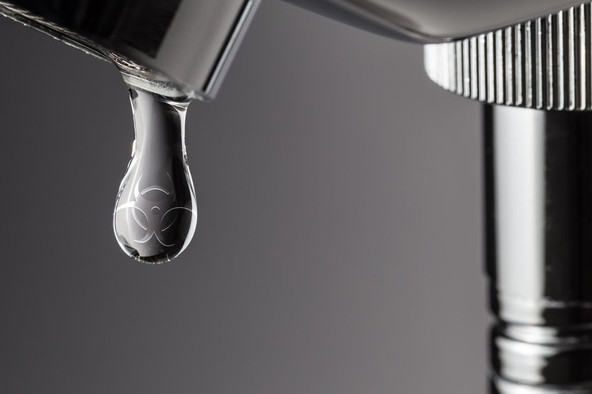
Chemicals in Tap Water Linked to Food Allergies

Nov 3rd 2025

Chemicals in Tap Water Linked to Food Allergies

Environmental toxins are overwhelming our immune and detoxification systems to make us the most allergy prone people in world history.  Simply drinking a glass of tap water can bombard your body with chemicals that have been linked to allergies and asthma. Allergist Elina Jerschow, MD, and colleagues at the Albert Einstein College of Medicine in New York have linked chlorine-related chemicals known as dichlorophenols, which are found in tap water and in pesticides, with both allergies and asthma. These researchers found that people with the highest levels of dichlorophenols were 80% more likely to have a food allergy and 61% more likely to have both a food allergy and an environmental allergy (like pollen).  Subsequent research found a similar association between asthma and high levels of dichlorophenols in the urine. While more studies are needed to prove the chemicals cause either allergies or asthma, population studies have shown that there is a similar rise in bo…

read more

Categories

Tags

Disclaimer

Information contained in NewsClips articles should not be construed as personal medical advice or instruction. These statements have not been evaluated by the Food and Drug Administration. Products are not intended to diagnose, treat, cure or prevent any disease.