null G-5DLXE7JB0V

Your Cart

Your cart is empty

Continue shopping
Skip to main content
Children and Essential Fatty Acids

Posted by -Beyond Health on Nov 3rd 2025

Children and Essential Fatty Acids

Essential Fatty Acids: The Missing Link in Children’s Health When we think about what fuels health, we usually focus on vitamins, minerals, fiber, and the foods or supplements that supply them. Yet—especially when it comes to children’s health—one critical nutrient category is often overlooked: essential fatty acids (EFAs). In writing recently about our newly formulated Kids Mega Multi, we emphasized that all children should be on a high-quality multivitamin and a reliable source of essential fatty acids. This recommendation is rooted in decades of nutritional science—and the data are increasingly concerning. Why EFAs Matter So Much for Children Both adults and children are commonly deficient in EFAs, particularly the omega-3 fatty acids EPA (eicosapentaenoic acid) and DHA (docosahexaenoic acid)—two fats that are foundational for neurological, cognitive, and visual development. DHA alone makes up 30–60% of the retina, making it indispensable f…

read more
The Omega-3 Index: A Way to Measure Your Tissue Levels of Omega-3 Fatty Acids

Posted by -Beyond Health on Nov 3rd 2025

The Omega-3 Index: A Way to Measure Your Tissue Levels of Omega-3 Fatty Acids

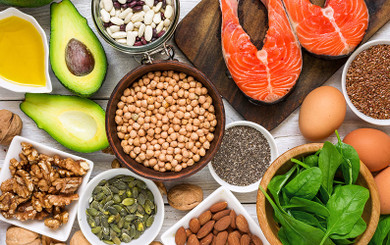
How to Measure Your Omega-3 Status — And Why It Matters We’ve written extensively about the importance of a special family of fats known as omega-3 fatty acids—and for good reason. Omega-3s are found in: Flaxseeds and flax oil Green leafy vegetables Wild (non-farmed) fatty fish such as salmon, anchovies, herring, and sardines Decades of research show that adequate omega-3 levels are associated with better cardiovascular, metabolic, cognitive, immune, and inflammatory balance. Omega-3s play structural and regulatory roles in cell membranes, brain tissue, and immune signaling—making them foundational nutrients, not optional extras. Why Omega-3 Levels Matter More Than Intake Alone Many people assume that eating fish or taking fish oil automatically means they have sufficient omega-3s. In reality, intake does not always equal absorption or tissue incorporation. Genetics, digestion, inflammation, oxidative stress, omega-6 intake, and supplement quality all i…

read more
Reduce Inflammation by Improving Your  Omega-3:Omega-6 Ratio

Nov 3rd 2025

Reduce Inflammation by Improving Your Omega-3:Omega-6 Ratio

Inflammation is a major factor in pain and in all kinds of disease from arthritis to allergies, heart disease, obesity, neurodegenerative brain disease and more (see Inflammation: a Common Denominator of Disease).  And one of the primary causes of inflammation is an imbalance in the modern diet between two types of fats called omega-3s and omega-6s. These two fats are sometimes referred to together as the “essential fatty acids.” They are “essential” because our bodies can’t make them, so it’s essential that we get them from either food or supplements.  Omega-3s are anti-inflammatory, while most omega-6s are pro-inflammatory. The typical modern diet provides far too few omega-3s and way too many inflammatory omega-6s.  To make matters worse, those omega-6s are usually from toxic, processed vegetable oils.  Processing these omega-6 oils damages them, often converting them into dangerous trans fats, while contaminating them with added toxins. …

read more

Categories

Tags

Disclaimer

Information contained in NewsClips articles should not be construed as personal medical advice or instruction. These statements have not been evaluated by the Food and Drug Administration. Products are not intended to diagnose, treat, cure or prevent any disease.