null G-5DLXE7JB0V

Your Cart

Your cart is empty

Continue shopping
Skip to main content
Salt, Blood Pressure, and Your Microbiome

Posted by Beyond Health on Nov 3rd 2025

Salt, Blood Pressure, and Your Microbiome

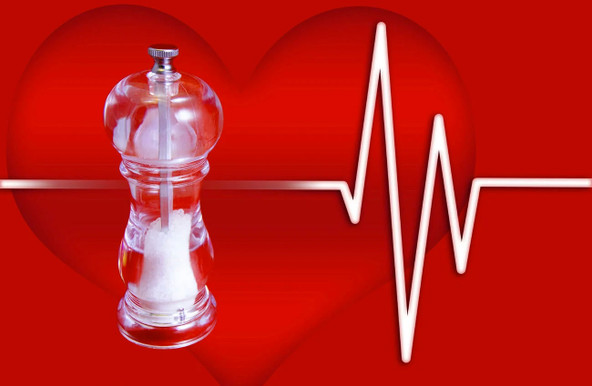
How Gut Bacteria Influence Blood Pressure (And Why Salt Isn’t the Whole Story) As scientists continue to study the trillions of microorganisms living in our intestines—collectively known as the gut microbiome—it’s becoming clear that this 3–5 pound ecosystem of bacteria plays a central role in nearly every aspect of human health. In fact, some researchers now believe the microbiome may be more influential than our genes in determining health or disease. One of the most surprising discoveries in recent years is the microbiome’s direct involvement in blood pressure regulation. Salt, Blood Pressure, and the Microbiome Connection It’s long been known that excessive salt intake is associated with high blood pressure. What’s new is how salt appears to exert its effects. Salt Alters Gut Bacteria—and Blood Pressure Follows A landmark 2017 study found that when mice and humans consumed excess salt, beneficial gut bacteria declined while pro…

read more
The Right Kind of Salt, in the Right Amount

Nov 3rd 2025

The Right Kind of Salt, in the Right Amount

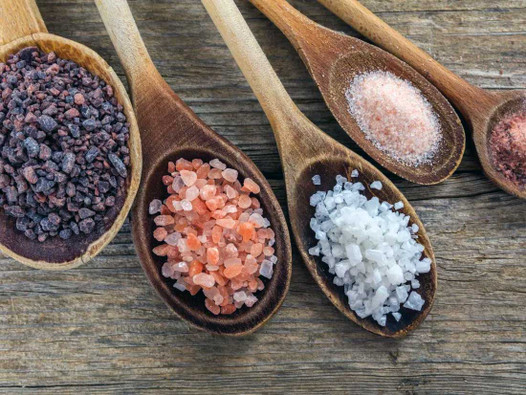
Excessive amounts of salt in the diet damages healthy bacteria living in our intestines and leads to high blood pressure, heart disease, cancer, osteoporosis, and fatigue.But we need some salt. If you perspire, whether it's from exercising, using a sauna, or living in a hot climate, you can lose too much sodium and other minerals in your sweat causing serious consequences, even death. People with weak adrenals often don’t retain enough salt leading to excessively low blood pressure, so they need extra salt.According to Mark Kurlansky, author of Salt: A World History, humans began to include salt in their diets once crops were cultivated and grains introduced. Salt mobilizes enzymes that help to digest grains and balance their acidity with alkalinizing minerals. (Unless it’s conventional salt, stripped of its natural minerals, in which case it will only increase the acidifying effect of eating grains. More about that later.)The problem is most people are getting too much salt, and it’s…

read more

Categories

Tags

Disclaimer

Information contained in NewsClips articles should not be construed as personal medical advice or instruction. These statements have not been evaluated by the Food and Drug Administration. Products are not intended to diagnose, treat, cure or prevent any disease.