Fall Back Without Falling Behind: 6 Ways to Protect Your Sleep and Energy as the Days Get Shorter
This Sunday, November 1, at 2 a.m., daylight saving time ends and most of the country turns the clocks back one hour. (Hawaii and most of Arizona stay on standard time all year.)
An extra hour of sleep sounds like a gift, and it can be. But the time change also marks the start of something many people feel every year: darker evenings, less sunlight, and afternoons that seem to drag.
The good news is that a few simple habits can make the transition smoother. Here are six ways to protect your sleep and energy this week and through the winter.
Why the Time Change Can Throw You Off
Your body runs on an internal clock, called your circadian rhythm, that helps decide when you feel alert and when you feel sleepy. Light is its most powerful signal.
When the clocks change, your schedule shifts by an hour overnight, but your internal clock adjusts more gradually. At the same time, sunset moves an hour earlier, so many people go from commuting home in daylight to commuting home in the dark.
The American Academy of Sleep Medicine (AASM) supports ending seasonal clock changes and moving to permanent standard time, because standard time lines up better with the body's natural rhythm. Until that happens, the fall change is a good moment to reset your routine.
1. Use the Extra Hour for Sleep
The fall change is the easier of the two time changes, as long as you actually use the extra hour to rest. The AASM suggests a simple approach:
- Keep your usual bedtime on Saturday night.
- Turn your clocks back right before bed, not earlier in the evening.
- Get up at your normal time on Sunday and enjoy the added hour of sleep.
The CDC recommends that adults get at least seven hours of sleep a night. One extra hour won't erase weeks of short sleep, but it's a great starting point for a better routine.
If you're sleeping seven or more hours and still waking up drained, read Why Am I Still Tired After 8 Hours of Sleep? 7 Possible Reasons.
2. Get Morning Light, Every Day
Because light sets your internal clock, morning daylight is one of the simplest tools you have. Try to get outside for 10 to 30 minutes soon after you wake up, even on cloudy days. A short walk, coffee on the porch, or parking a little farther from the office all count.
In the evening, do the opposite: dim the lights and put screens away in the last hour before bed.
3. Pay Attention to Your Vitamin D
Your skin makes vitamin D when it's exposed to the sun's UVB rays. In fall and winter, the sun sits lower in the sky and those rays are much weaker.
In a classic study, researchers found that in Boston, skin made essentially no vitamin D from sunlight from November through February. Farther north, the "vitamin D winter" lasted even longer. Add shorter days and more time indoors, and it's easy to see why vitamin D levels often dip this time of year.
Food helps, but only a few foods, like fatty fish, egg yolks and fortified milk, contain meaningful amounts. According to the NIH, the recommended intake for most adults is 600 IU a day (800 IU after age 70), and the upper limit for adults is 4,000 IU a day.
The best first step is to ask your healthcare provider about a vitamin D blood test, so you know where you stand. If your level is low, your provider may recommend a supplement. Our Vitamin D3 5,000 IU softgels support calcium absorption, bone health and normal immune function. Because 5,000 IU is above the general upper limit, it's best used with periodic testing and your provider's guidance.
4. Support Steady Energy From the Inside Out
When afternoons feel heavy, it's tempting to reach for another coffee or a sugary snack. Those give you a quick lift, then often a crash.
Steady energy starts with the basics: regular meals with protein and fiber, enough water, and enough sleep. Your body also relies on B vitamins to turn the food you eat into usable energy.
- Vitamin B12 is needed for healthy red blood cells and normal nerve function. Low B12 can leave people feeling tired and weak. Adults over 50, people who eat little or no animal food, and people taking certain medications, such as metformin or acid reducers, are more likely to run low. Beyond Health Vitamin B12 & Folate comes in an easy lozenge form.
- B complex vitamins work as a team in energy metabolism. Beyond Health Vitamin B Complex supports energy, metabolism and nervous system function in one daily capsule.
For more on what can sap your energy, see Why Am I Always Tired?
5. Build an Evening Wind-Down Routine
When it's dark at 5 p.m., evenings can feel long, and it's easy to drift into late-night scrolling. A consistent wind-down routine signals to your body that the day is ending.
- Set a "screens off" time 30 to 60 minutes before bed.
- Keep your bedroom cool, dark and quiet.
- Choose a calming habit you can repeat: reading, stretching, a warm shower or a few minutes of slow breathing.
- Limit caffeine after early afternoon and alcohol close to bedtime.
Some people like to add nutrients to their evening routine. Magnesium plays a role in normal muscle and nerve function, and many adults get less than recommended from food. Research on magnesium and sleep is still limited, so think of it as part of a healthy routine rather than a sleep aid. Learn more in Magnesium Is Everywhere Right Now: What Does It Actually Do?, or try Beyond Health Magnesium.
For a calm-focused option, Restful Mind combines amino acids and botanicals to support relaxation as part of an evening routine, without sedation.
6. Keep Moving, Especially in Daylight
Regular activity supports better sleep and steadier energy. As evenings get darker, move your movement earlier when you can: a walk at lunch, a morning workout or a quick stretch break between meetings.
Strength training is especially worth keeping up through the winter. Read Why Strength Training Matters as You Age for simple ways to get started.
Your Fall Back Game Plan
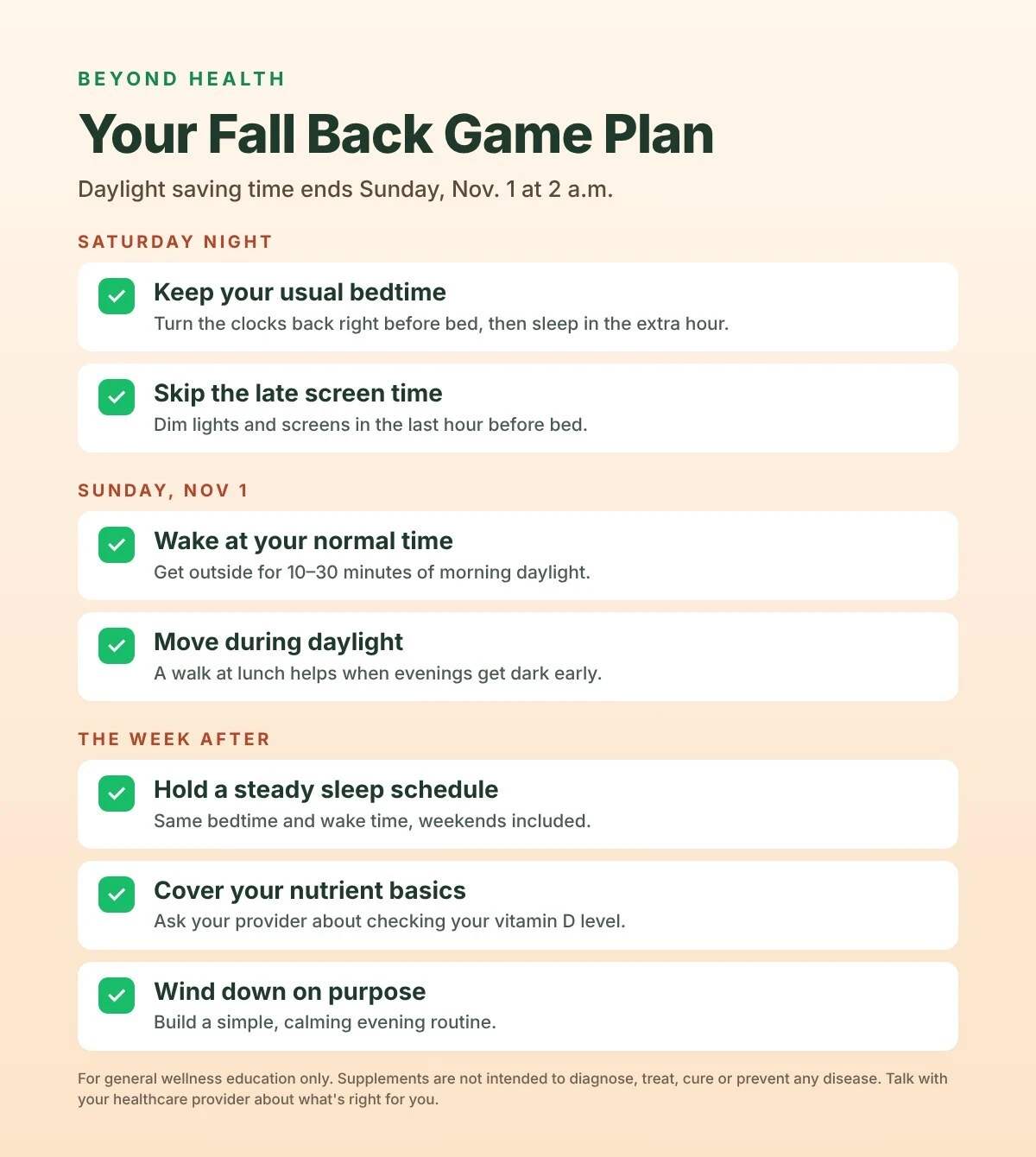
- Saturday night: keep your usual bedtime and turn the clocks back right before bed.
- Sunday morning: wake at your normal time and get outside for some daylight.
- All week: keep the same bedtime and wake time, move during daylight hours, and wind down without screens.
- This month: ask your provider about checking your vitamin D level, and cover your nutrient basics.
Your Fall Back Essentials
Good sleep, daylight and movement come first. If you'd like to round out the nutrient side of your routine for the darker months, these are a good place to start:
 Vitamin D3 For the low-sun months |
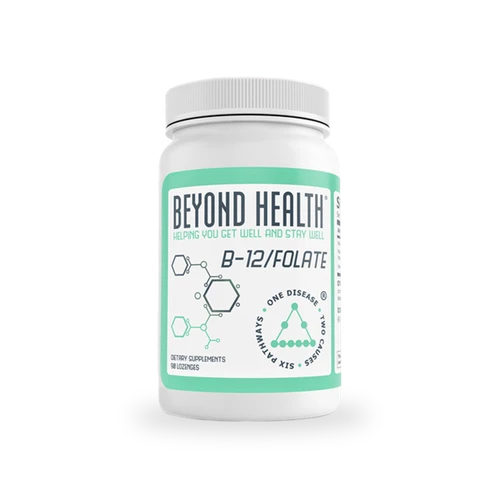 Vitamin B12 & Folate For cellular and nerve support |
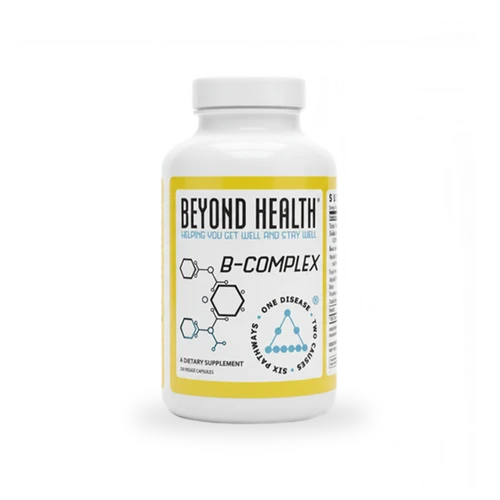 Vitamin B Complex For energy metabolism |
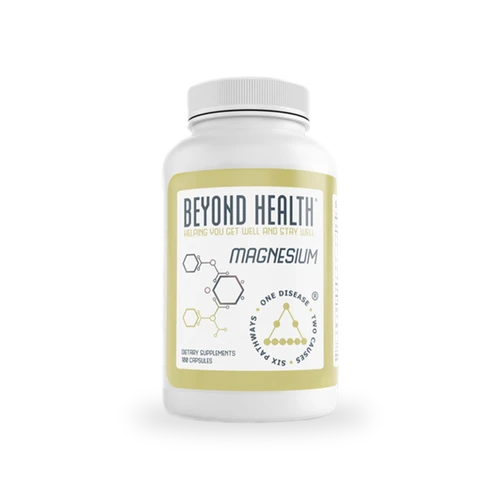 Magnesium For muscle and nerve function |
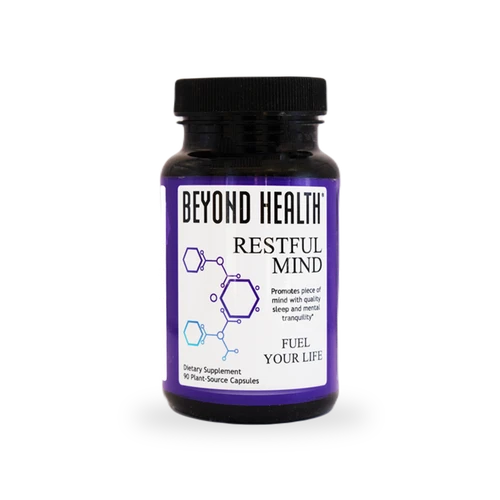 Restful Mind For your evening wind-down |
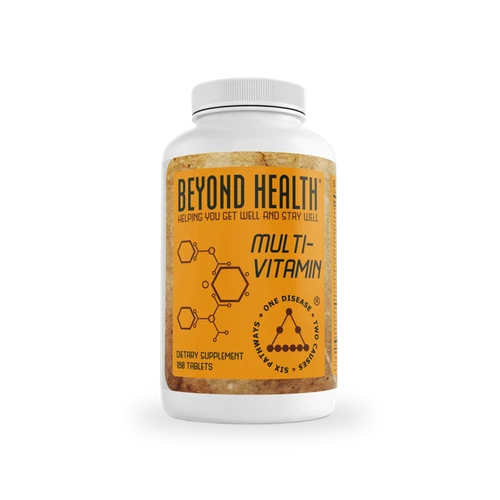 Multivitamin 32 vitamins and minerals |
Shop all Beyond Health supplements →
The Bottom Line
The end of daylight saving time is a good excuse to reset. Use the extra hour to sleep, get daylight early, keep moving and give your evenings a calmer rhythm. If the darker months tend to drain you, check in on the nutrient basics too, starting with vitamin D.
Frequently Asked Questions
When does daylight saving time end in 2026?
Sunday, November 1, 2026, at 2 a.m. local time. Clocks go back one hour, to 1 a.m. Hawaii and most of Arizona don't change their clocks.
How long does it take to adjust to the time change?
Most people adjust to the fall change within a few days. Keeping a steady wake time and getting morning light help your internal clock catch up faster.
Why do I feel more tired in the winter?
Shorter days, less sunlight, less outdoor activity and changes in routine all play a role. If fatigue is persistent or affects your daily life, talk with your healthcare provider, since it can have many causes, including low iron, low B12, thyroid issues or a sleep disorder.
Can I get enough vitamin D from the sun in winter?
For many people in the northern half of the U.S., not reliably. Research shows the skin makes little or no vitamin D from winter sunlight at northern latitudes. A blood test is the best way to know your level.
Should I take vitamin D in the morning or at night?
There's no strong evidence that timing matters much. Vitamin D is fat-soluble, so taking it with a meal that contains some fat can help absorption. Consistency matters most.
Sources
- American Academy of Sleep Medicine: Time to End Seasonal Time Changes
- American Academy of Sleep Medicine: When Daylight Saving Time Ends, People Plan to Sleep
- FOX 29: When Daylight Saving Time Ends in 2026
- CDC: About Sleep
- NIH Office of Dietary Supplements: Vitamin D Fact Sheet
- Webb et al., Influence of Season and Latitude on the Cutaneous Synthesis of Vitamin D3, Journal of Clinical Endocrinology & Metabolism (1988)
- NIH Office of Dietary Supplements: Vitamin B12 Fact Sheet
- NIH Office of Dietary Supplements: Magnesium Fact Sheet
These statements have not been evaluated by the Food and Drug Administration. Beyond Health products are not intended to diagnose, treat, cure or prevent any disease. This article is for general education and is not medical advice. Talk with your healthcare provider before starting supplements, especially if you are pregnant, nursing, take medication or have a medical condition.