
Joint health plays a vital role in your ability to move comfortably, stay active, and enjoy everyday life. Whether you're walking, exercising, gardening, or simply getting out of bed in the morning, your joints make nearly every movement possible. As we age, many people begin to notice stiffness, reduced flexibility, or occasional discomfort, but these changes are not always an inevitable part of getting older.
Healthy joints depend on much more than cartilage alone. They rely on strong bones, flexible connective tissue, proper lubrication, balanced nutrition, regular movement, and healthy cells working together. Factors such as chronic inflammation, oxidative stress, nutrient deficiencies, previous injuries, excess body weight, and lifestyle habits can all influence long-term joint health.
The good news is that there are many practical steps you can take to support healthy joints naturally. A nutrient-rich diet, regular physical activity, maintaining a healthy weight, and targeted nutritional support may all play a role in helping your joints function at their best.
In this comprehensive guide, you'll learn what joint health is, what causes joint discomfort, how nutrition and lifestyle influence healthy joints, which ingredients have been studied for joint support, and the daily habits that can help you stay active for years to come. You'll also discover how Beyond Health approaches joint wellness by supporting the body at the cellular level.
8 Simple Tips to Fight Joint Pain - Beyond Health

Effective Tips on How to Reduce Inflammation Naturally - Beyond Health
What Is Joint Health?
Joint health refers to the condition and function of the structures that allow your body to move smoothly and comfortably. Healthy joints help you bend, lift, walk, run, and perform everyday activities without excessive stiffness or discomfort. While many people think of joints as simply the place where two bones meet, they are actually complex systems made up of several important tissues working together.
Beyond Health: Aging vs. Side Effects of Medications
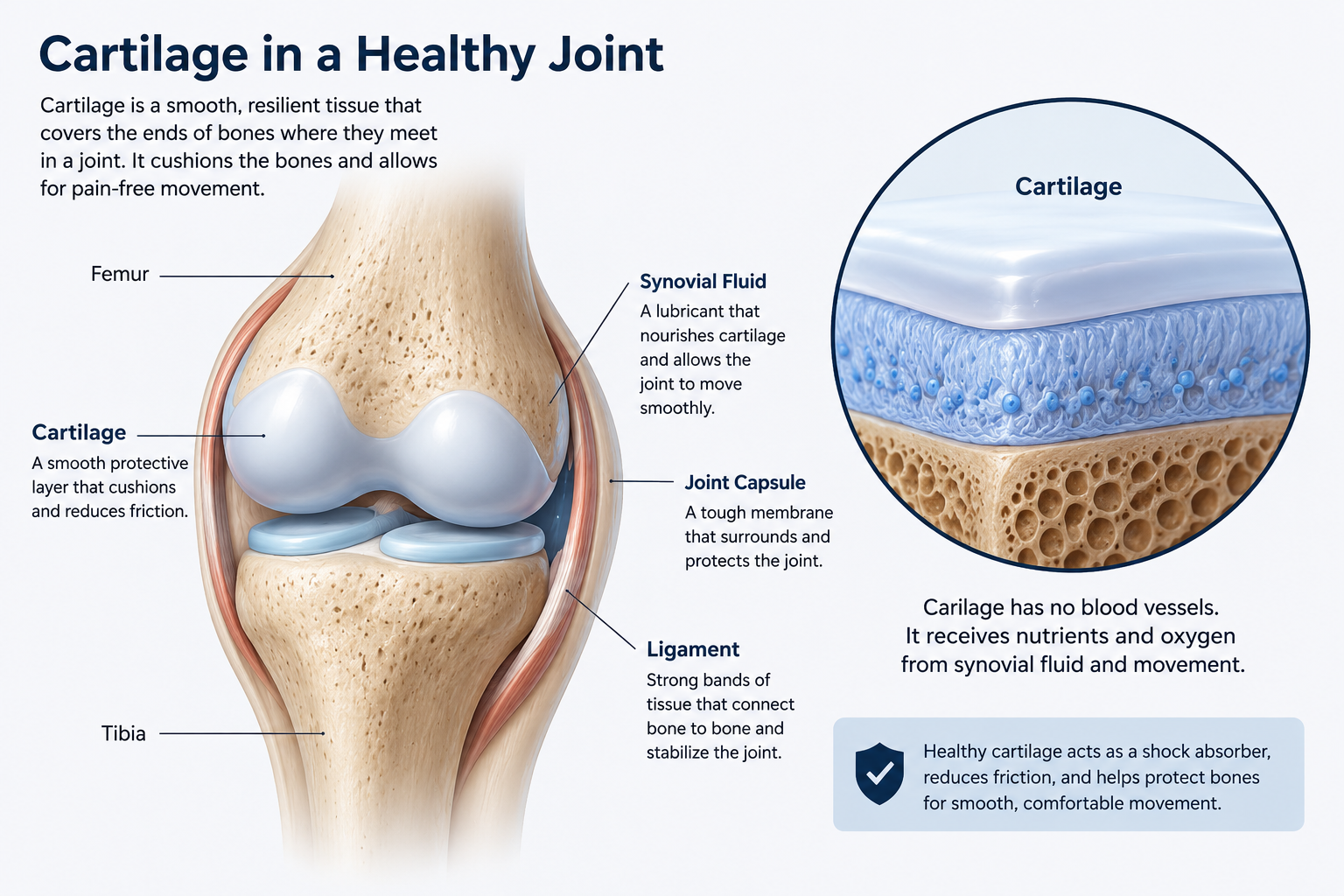
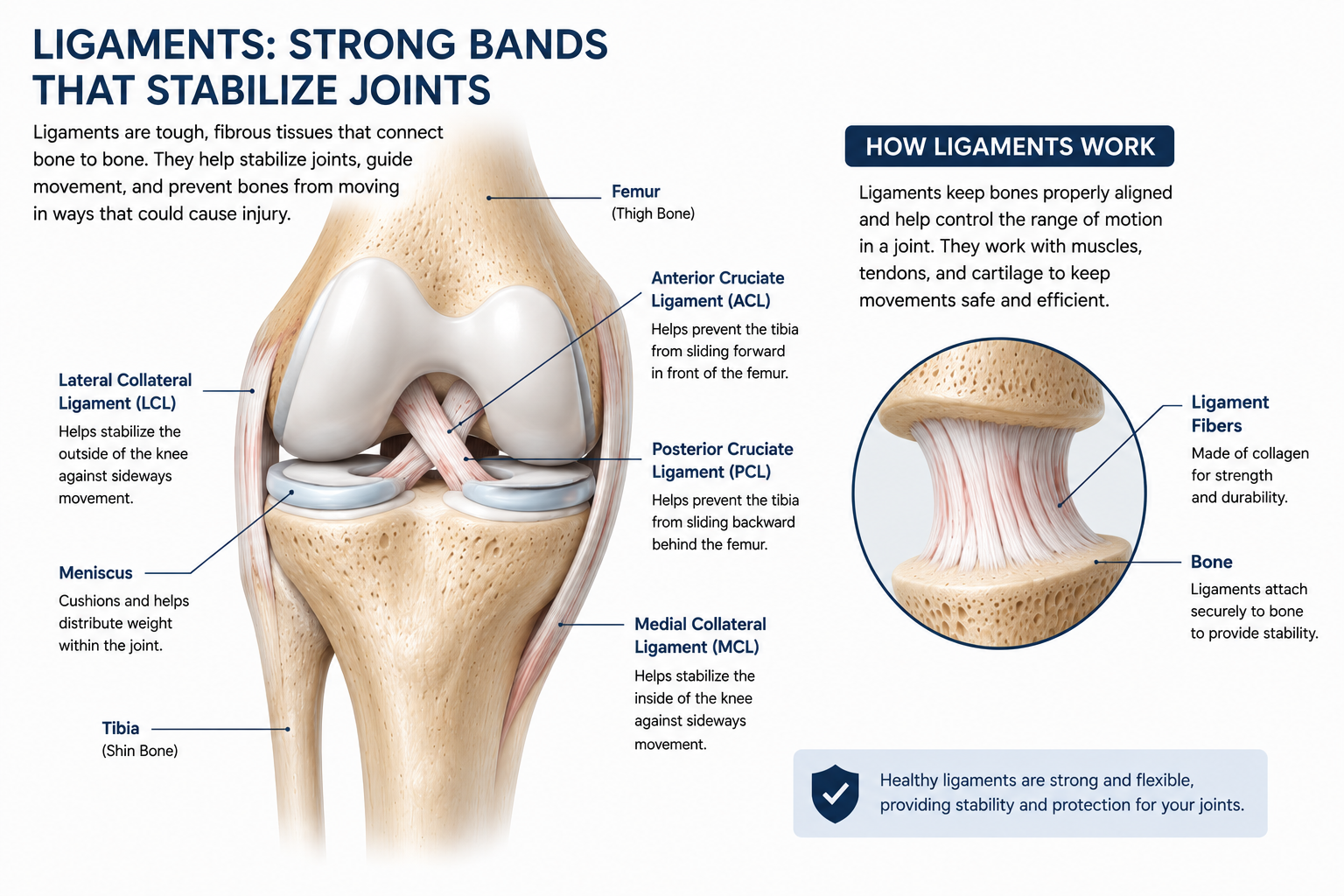
Each joint contains cartilage that cushions the ends of bones and helps reduce friction during movement. Synovial fluid acts as a natural lubricant, allowing joints to glide smoothly while delivering nutrients to cartilage. Ligaments connect bones together, tendons attach muscles to bones, and surrounding muscles provide stability and support with every movement.
Joint health depends on keeping all of these structures functioning properly. Over time, factors such as aging, repetitive movement, previous injuries, excess body weight, poor nutrition, and chronic inflammation can place additional stress on the joints. While some wear occurs naturally with age, lifestyle choices play a major role in how well your joints function throughout life.
Supporting joint health is about more than reducing occasional discomfort. Healthy joints contribute to mobility, balance, strength, independence, and overall quality of life. Maintaining joint function today can help you remain active for years to come.
Arthritis Foundation | Arthritis Support, Resources, Research & Advocacy
The Main Parts of a Healthy Joint
Cartilage
Cartilage is a smooth, durable tissue that covers the ends of bones where they meet inside a joint. It acts as a shock absorber, helping distribute pressure evenly and reducing friction during movement. Healthy cartilage allows joints to move freely while protecting bones from direct contact.
American Academy of Orthopaedic Surgeons AAOS
Synovial Fluid
Synovial fluid is a thick, slippery liquid found inside many joints. It lubricates joint surfaces, nourishes cartilage, and helps absorb shock during movement. Without adequate lubrication, joints become less efficient and movement can become more difficult.
Ligaments
Ligaments are strong bands of connective tissue that connect one bone to another. They help stabilize joints and prevent excessive movement that could lead to injury.
Tendons
Tendons connect muscles to bones. When muscles contract, tendons transfer that force to create movement. Healthy tendons are essential for strength, coordination, and athletic performance.
Muscles
The muscles surrounding a joint provide stability, absorb impact, and help control movement. Strong muscles reduce stress placed directly on joints and play an important role in long-term joint health.
National Institute of Arthritis and Musculoskeletal and Skin Diseases (NIAMS)
Why Tendons Become Weaker With Age
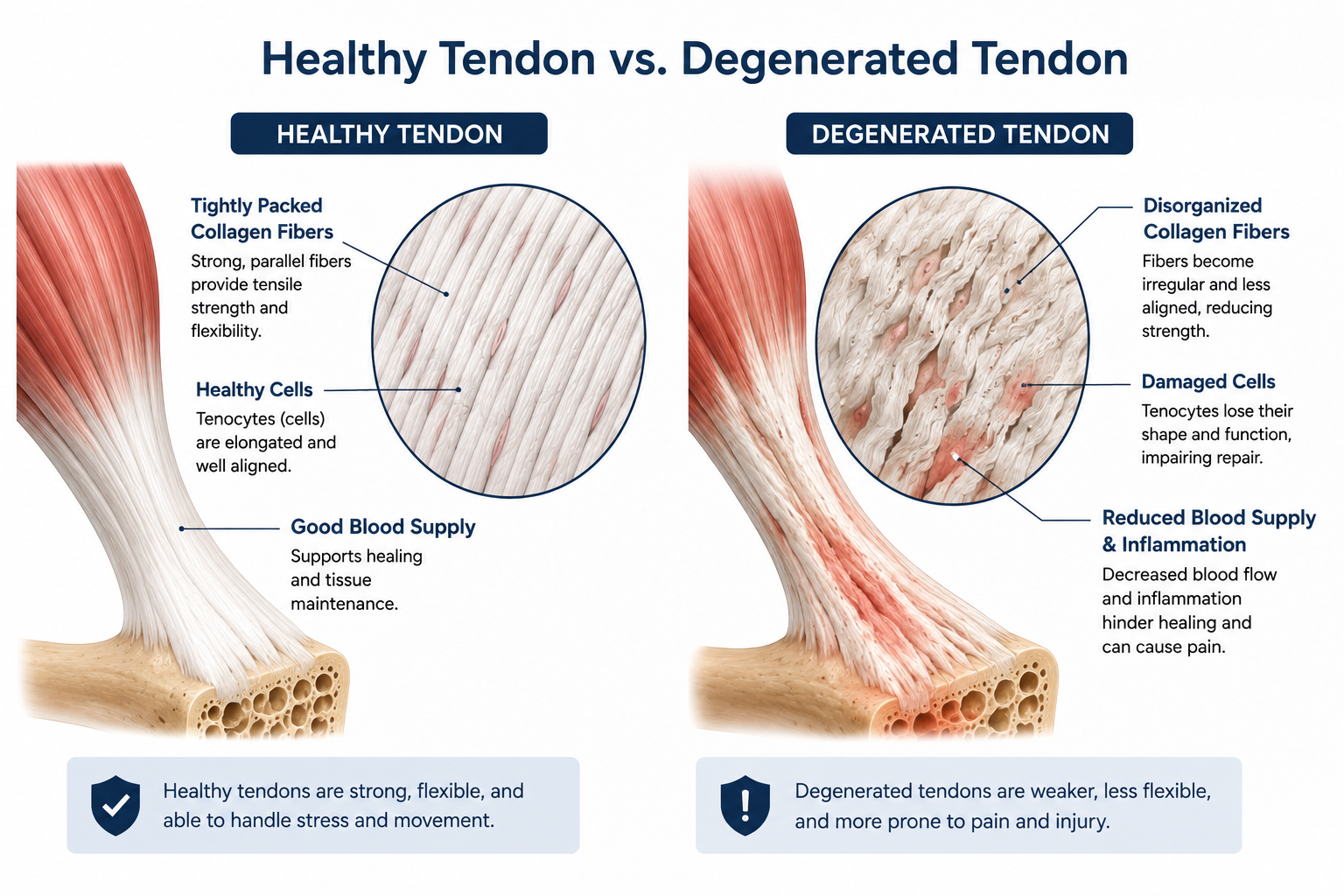
Tendons are built to handle thousands of movements every day, but they change over time. As you get older, the body naturally produces less collagen, blood flow to tendons decreases, and damaged tissue repairs more slowly. These changes can make tendons stiffer, weaker, and more prone to injury.
Inflammation can make the problem worse. When inflammation becomes chronic, it may interfere with the body's ability to repair connective tissue. This is one reason why tendon pain often lasts longer than expected and why recurring injuries become more common with age.
Common signs of declining tendon health include:
• Morning stiffness around joints.
• Pain that worsens during or after activity.
• Reduced flexibility.
• Tenderness where the tendon attaches to bone.
• Slower recovery after exercise or physical work.
While aging is unavoidable, healthy habits can help support tendon function. Regular movement, resistance exercise, good nutrition, maintaining a healthy weight, and getting enough key nutrients all play a role in keeping tendons healthy.
Exercise and physical activity | National Institute on Aging
What Causes Joint Pain and Stiffness?
Joint discomfort is often blamed on getting older, but age alone is rarely the only reason. Healthy joints rely on cartilage, ligaments, tendons, synovial fluid, and the surrounding muscles all working together. When one or more of these structures becomes damaged or inflamed, movement becomes less comfortable.
Some of the most common contributors include:
• Everyday wear and tear from years of movement
• Excess inflammation throughout the body
• Previous injuries that never fully healed
• Weak muscles that place extra stress on joints
• Reduced collagen production with age
• Poor nutrition that limits the body's ability to repair tissue
Joint pain usually develops gradually. You may first notice stiffness when getting out of bed, discomfort after exercise, or reduced flexibility during everyday activities. Over time, these small changes can make walking, climbing stairs, lifting objects, or enjoying hobbies more difficult.
The encouraging news is that many of these factors can be addressed through proper nutrition, regular movement, maintaining a healthy weight, and supporting the body's normal repair processes.
Targeted Research to Improve Joint Pain | NIAMS
How Nutrition Supports Healthy Joints
Your joints are constantly repairing themselves. That repair process depends on having the nutrients needed to build connective tissue, manage normal inflammation, and protect cartilage from everyday wear.
Research shows several nutrients play important roles in joint health, including:
• Glucosamine, which supports cartilage structure
• MSM, which supports connective tissue and joint comfort
• Boswellia extract, studied for supporting a healthy inflammatory response
• Curcumin from turmeric, which provides antioxidant support
• Selenium and manganese, important minerals involved in connective tissue health
Rather than relying on a single ingredient, many healthcare professionals recommend combining complementary nutrients that work through different pathways to support healthy movement.
Inside Beyond Health Joint Protection
Joint Protection was formulated to support multiple aspects of joint health rather than relying on a single ingredient. Each ingredient was selected because it supports a different part of the body's natural joint maintenance process, from cartilage structure and connective tissue to healthy inflammation and antioxidant protection.
Glucosamine HCl (1,500 mg)
Glucosamine is one of the most widely studied ingredients for joint health. It is a naturally occurring compound found in cartilage, the smooth tissue that cushions the ends of bones.
As we age, cartilage experiences years of mechanical stress. Glucosamine provides one of the building blocks used in the production of glycosaminoglycans, important components that help cartilage maintain its structure and resilience.
Research suggests glucosamine may help support:
• Healthy cartilage structure
• Joint flexibility
• Comfortable movement during everyday activities
• Long-term joint function
Because cartilage has a limited blood supply, maintaining the nutrients involved in cartilage health becomes increasingly important over time.
Glucosamine and Chondroitin for Osteoarthritis | NCCIH
MSM (Methylsulfonylmethane)
MSM and Pain Management - Beyond Health
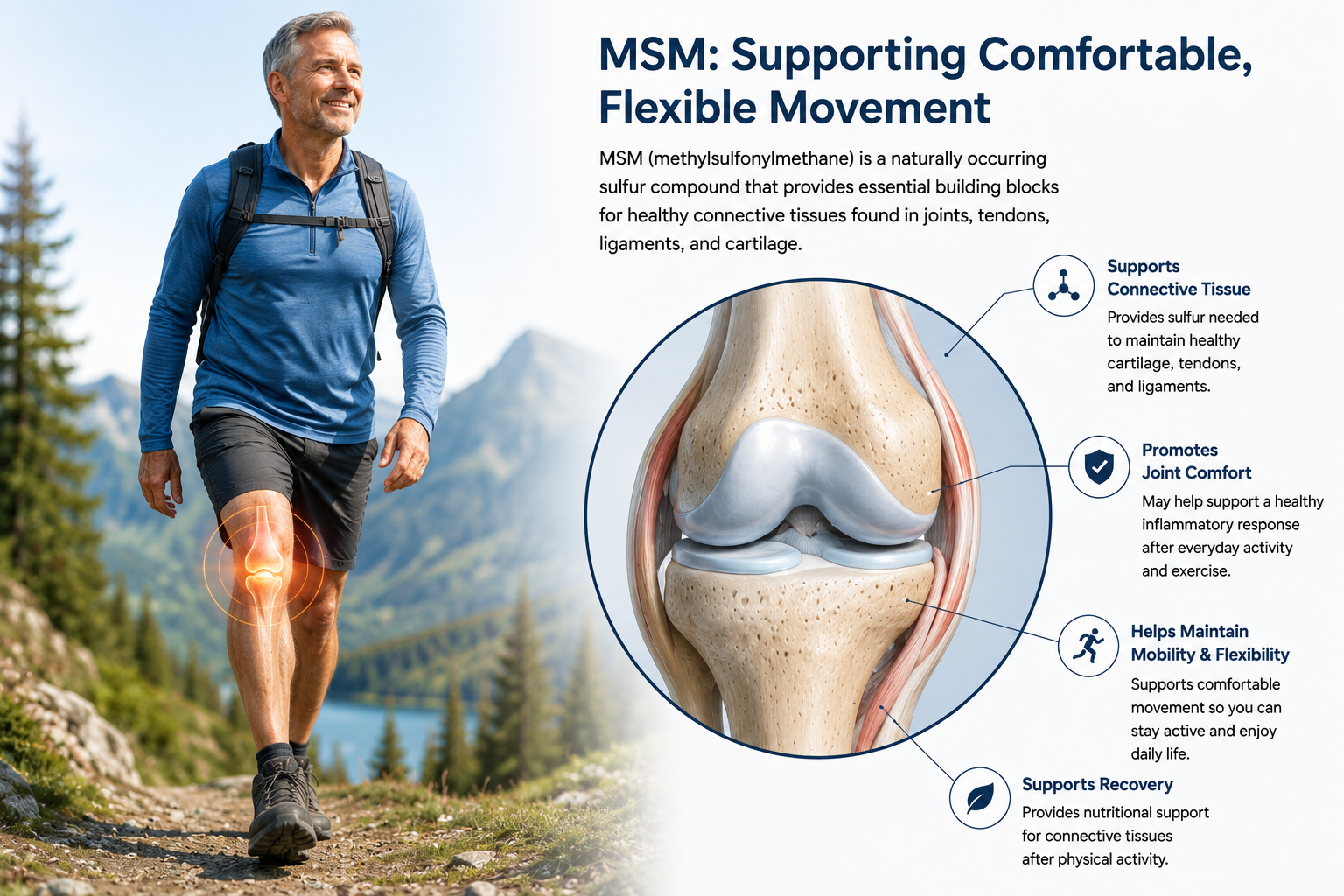
MSM is a naturally occurring sulfur compound that provides one of the essential building blocks your body uses to maintain healthy connective tissues. Sulfur is found throughout cartilage, tendons, ligaments, and other structural tissues that allow joints to move smoothly.
Research suggests MSM may help support a healthy inflammatory response following everyday physical activity while promoting joint comfort and mobility. Many people use MSM alongside glucosamine because the two ingredients work through different mechanisms to support healthy joint function.
Potential benefits include:
• Supports healthy joint comfort
• Helps maintain flexibility and mobility
• Provides sulfur needed for connective tissue
• Supports recovery after physical activity
Curcumin
Curcumin and a Drug-Free Approach to Arthritis - Beyond Health
Curcumin is the primary active compound found in turmeric and is one of the most extensively researched natural ingredients for supporting a healthy inflammatory response. Unlike ingredients that simply provide structural support, curcumin helps address one of the underlying factors that can affect joint comfort over time.
Your Joint Protection formula includes a highly concentrated turmeric root extract standardized to 95% curcuminoids, allowing you to receive significantly more active compounds than culinary turmeric alone.
Potential benefits include:
• Supports a healthy inflammatory response
• Promotes joint comfort
• Provides antioxidant protection
• Helps protect cells from oxidative stress
Selenium
Selenium is an essential trace mineral that plays an important role in your body's antioxidant defense system. It helps activate enzymes that protect cells from oxidative stress, including cells found in cartilage and connective tissue.
Although selenium is often associated with immune function and thyroid health, maintaining adequate selenium intake also supports healthy tissues throughout the body, including joints that experience years of daily movement and mechanical stress.
Potential benefits include:
• Supports antioxidant defenses
• Helps protect joint tissues from oxidative stress
• Supports immune health
• Supports normal cellular function
Manganese
Manganese is a trace mineral involved in the production of connective tissue and normal bone formation. It serves as a cofactor for several enzymes responsible for producing collagen and maintaining cartilage structure.
While it is required in only small amounts, manganese plays an important role in supporting the tissues that help stabilize joints throughout the body.
Potential benefits include:
• Supports collagen production
• Helps maintain healthy cartilage
• Supports bone health
• Contributes to normal connective tissue formation
Curcumin, Supporting a Healthy Inflammatory Response
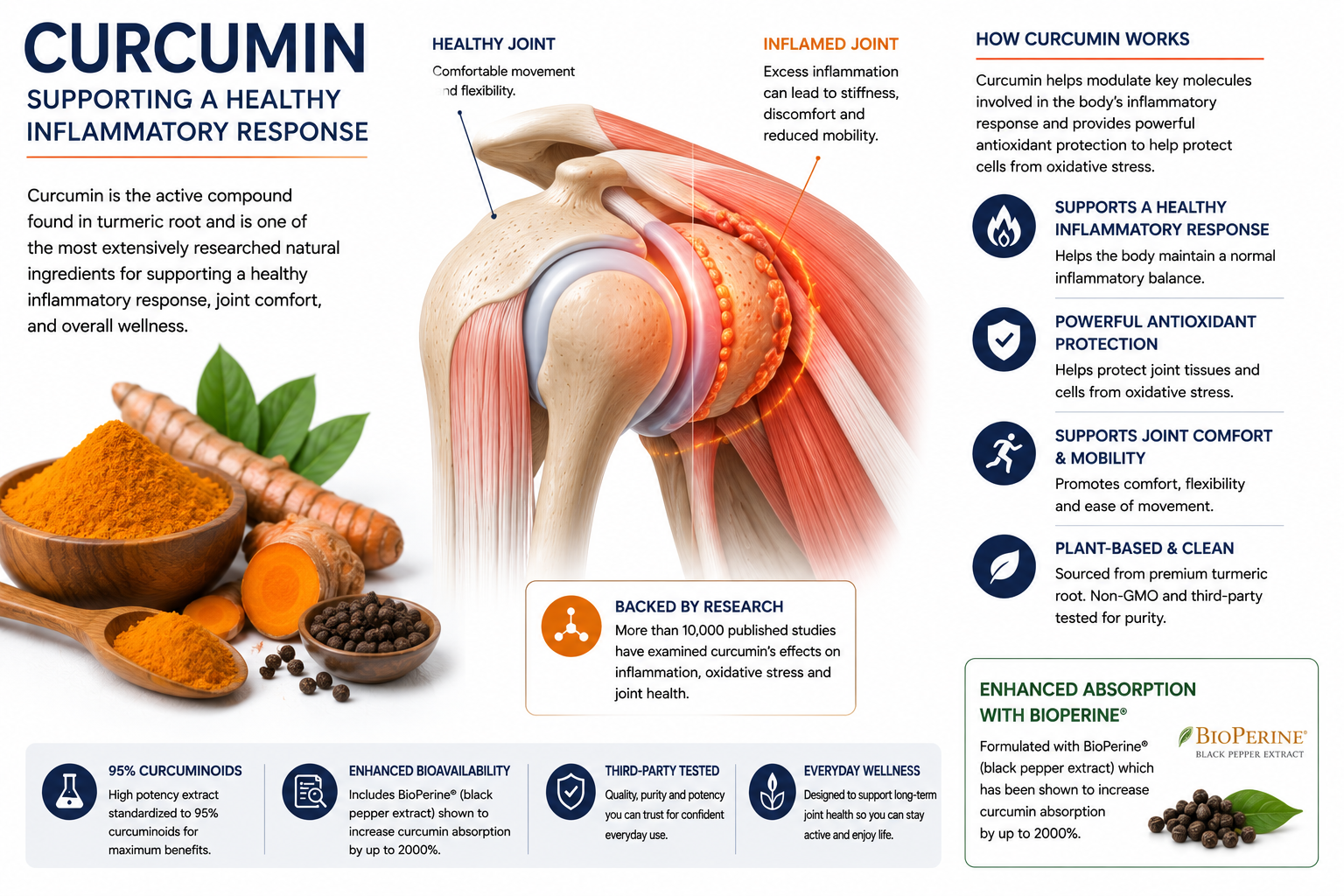
Inflammation is one of the body's natural responses to injury and physical stress. While short-term inflammation plays an important role in healing, chronic, low-grade inflammation can contribute to joint stiffness and reduced mobility over time.
Curcumin is the primary active compound found in turmeric and has become one of the most extensively researched natural ingredients for supporting a healthy inflammatory response. More than 10,000 published scientific studies have examined curcumin's effects on inflammation, oxidative stress, and overall health.
Unlike ordinary turmeric powder, Beyond Health Joint Protection contains a concentrated turmeric root extract standardized to 95% curcuminoids using the Sabinsa C3® Complex. This provides a consistent amount of the active compounds that researchers have studied.
To further improve absorption, the formula also includes BioPerine® (black pepper extract). Research has shown that piperine can significantly increase curcumin bioavailability, allowing more of the active ingredient to be absorbed by the body.
Potential Benefits
• Supports a healthy inflammatory response
• Helps maintain joint comfort and flexibility
• Provides powerful antioxidant protection
• Supports healthy mobility during everyday activities
• Helps protect cells from oxidative stress
What the Research Says
Curcumin has been studied for its ability to influence multiple pathways involved in inflammation. Rather than targeting a single mechanism, researchers believe curcumin works by helping maintain the body's normal inflammatory balance while also supporting antioxidant defenses.
Because oxidative stress and inflammation often occur together, curcumin's dual role makes it one of the cornerstone ingredients found in many comprehensive joint health formulas.
Selenium, Small Nutrient, Big Protection for Your Joints
While selenium is usually associated with immune health and thyroid function, it also plays an important role in protecting your joints. Every time your body produces energy, it also creates unstable molecules called free radicals. Over time, these molecules can damage cartilage, tendons, ligaments, and the cells responsible for repairing joint tissue.
Selenium is a key component of powerful antioxidant enzymes called glutathione peroxidases. These enzymes help neutralize oxidative stress before it can damage healthy joint tissue. Healthy selenium levels may help preserve cartilage, support recovery after exercise, and reduce the effects of long-term inflammation.
Research has also found that people with lower selenium levels are more likely to experience reduced joint function and increased progression of certain forms of arthritis. While selenium is not a cure, maintaining adequate levels is one important part of supporting long-term joint health.
Beyond Health Joint Protection includes selenium from L-selenomethionine, one of the most bioavailable forms available. This form is absorbed efficiently and stored by the body for ongoing use.
Key Benefits
- Supports the body's natural antioxidant defenses
- Helps protect cartilage cells from oxidative damage
- Supports healthy immune and inflammatory function
- Uses L-selenomethionine for excellent absorption
What the Science Says
A review published in the journal Nutrients discusses selenium's important role in reducing oxidative stress and supporting musculoskeletal health.
Another review in Antioxidants explains how selenium-containing enzymes help protect cartilage and other connective tissues from damage caused by chronic inflammation.
Selenium - Health Professional Fact Sheet
Manganese Helps Build and Maintain Strong Connective Tissue
When people think about joint health, they usually focus on cartilage. However, your joints also rely on strong ligaments, tendons, and connective tissue to stay stable and move properly. Manganese is one of the key minerals involved in building and maintaining these structures.
Manganese activates enzymes that your body uses to produce collagen and proteoglycans, two essential building blocks of healthy cartilage and connective tissue. Without adequate manganese, the body has a harder time repairing everyday wear and tear caused by exercise, aging, and normal movement.
Manganese also contributes to the body's antioxidant defense system through an enzyme called manganese superoxide dismutase (MnSOD). This enzyme helps protect cartilage cells from oxidative damage, which may slow the breakdown of joint tissue over time.
Beyond Health Joint Protection contains manganese glycinate, a highly absorbable form designed to provide this important mineral efficiently.
Key Benefits
- Supports collagen production for healthy cartilage
- Helps maintain strong tendons and ligaments
- Provides antioxidant protection through MnSOD
- Uses highly absorbable manganese glycinate
What the Science Says
Research shows manganese is required for the formation of connective tissue, bone, and cartilage. It also serves as a cofactor for enzymes involved in antioxidant defense and tissue repair.
Studies have found that manganese deficiency can impair cartilage formation and connective tissue development, highlighting its importance for long-term joint function.
Manganese - Health Professional Fact Sheet
Why Combining Ingredients Works Better Than Taking a Single Supplement
Joint health is complex. Cartilage, ligaments, tendons, bones, muscles, and the body's inflammatory response all work together. Supporting only one part of that system often leaves important gaps.
For example:
- Glucosamine helps support cartilage structure.
- MSM provides sulfur needed for healthy connective tissue.
- Curcumin helps manage the body's inflammatory response.
- Selenium protects joint cells from oxidative stress.
- Manganese supports collagen formation and connective tissue repair.
Each ingredient has a different job. Together, they provide broader support than any one ingredient alone.
That is why Beyond Health Joint Protection was formulated with multiple research-backed nutrients instead of relying on a single compound. Rather than focusing on one pathway, it supports several of the biological processes involved in healthy joint function.
What Makes Beyond Health Joint Protection Different?
Supports cartilage structure
- Glucosamine HCl
- Sea Cucumber
Supports connective tissue
- MSM
- Manganese
Helps maintain a healthy inflammatory response
- Curcumin
- Boswellia
- Rutin
Protects joint cells from oxidative stress
- Selenium
- Grape Seed Extract
- Curcumin
Improves nutrient absorption
- BioPerine®
Built for Long-Term Joint Health
Many joint supplements contain only glucosamine or only turmeric. While those ingredients have value, joint health depends on multiple biological systems working together.
Beyond Health Joint Protection combines clinically researched ingredients into one comprehensive formula designed to help support:
- Healthy cartilage
- Flexible joints
- Comfortable movement
- Healthy connective tissue
- Daily mobility
- Long-term joint function
What the Science Says
Research consistently shows that joint health is influenced by inflammation, oxidative stress, collagen production, and cartilage maintenance. Addressing multiple pathways simultaneously may provide more comprehensive support than focusing on a single ingredient alone.
Who Can Benefit From Joint Health Supplements?
Healthy joints are essential whether you're exercising every day or simply trying to stay active as you age. While everyone experiences occasional joint discomfort, certain groups place greater demands on their joints and may benefit from additional nutritional support.
Adults Over 50
As we age, cartilage naturally becomes thinner, collagen production slows, and the body's ability to recover from everyday wear decreases. These changes can lead to stiffness, reduced flexibility, and less comfortable movement.
Supporting your joints with nutrients that promote cartilage health, connective tissue, and a healthy inflammatory response may help you stay active for years to come.
Active Adults and Athletes
Running, strength training, hiking, pickleball, golf, tennis, and other repetitive activities place continual stress on your joints.
Supporting recovery between workouts is just as important as the workout itself. Ingredients like glucosamine, MSM, curcumin, and Boswellia may help support healthy joint function while maintaining mobility.
People With Physically Demanding Jobs
Construction workers, landscapers, mechanics, nurses, warehouse employees, and anyone who spends long hours lifting, kneeling, climbing, or standing often place significant stress on their joints every day.
Maintaining healthy connective tissue and supporting normal recovery may help keep you moving comfortably throughout your career.
Anyone Experiencing Everyday Joint Stiffness
You don't need to be an athlete or have arthritis to care about your joints.
If you notice stiffness after sitting, discomfort after exercise, or reduced flexibility compared to a few years ago, it may be time to begin supporting your joints before those changes become more noticeable.
Many people wait until joint problems become severe before taking action. A proactive approach that includes proper nutrition, regular movement, maintaining a healthy weight, and targeted supplementation can help support healthy joints over the long term.
Healthy Habits That Support Your Joints
Even the best supplement works best when combined with healthy daily habits.
- Maintain a healthy body weight to reduce stress on weight-bearing joints.
- Exercise regularly with a combination of strength training, flexibility work, and low-impact cardio.
- Eat a nutrient-dense diet rich in protein, fruits, vegetables, and healthy fats.
- Stay hydrated, since cartilage depends on adequate water to function properly.
- Support recovery with quality sleep and proper nutrition after activity.
Joint health is built over time through consistent habits. Supplements like Beyond Health Joint Protection are designed to complement those habits by providing nutrients that help support cartilage, connective tissue, and a healthy inflammatory response.
Discover the Best Joint Protection Supplement Formula
Frequently Asked Questions About Joint Health
What vitamins and minerals support joint health?
Several nutrients contribute to normal joint function. Vitamin D supports bone health, selenium supports antioxidant defenses, and manganese contributes to connective tissue formation. Other compounds, including MSM and curcumin, are commonly used to support joint comfort, mobility, and a healthy inflammatory response.
How long do joint supplements take to work?
Joint supplements usually do not produce immediate results. Some people may notice changes within several weeks, while others may need two to three months of consistent use. Results depend on the person, the formula, activity level, diet, and the condition of the joints.
Is MSM good for joints?
MSM provides sulfur that the body uses in connective tissue. Research suggests it may help support joint comfort, flexibility, and recovery after physical activity.
Is curcumin good for joint health?
Curcumin is widely studied for its role in supporting a healthy inflammatory response and antioxidant defenses. These effects may help support joint comfort and mobility.
What is the difference between MSM and glucosamine?
MSM primarily supports connective tissue and joint comfort. Glucosamine provides structural support for cartilage. They work differently, which is why comprehensive joint formulas often include both.
Can younger adults take joint supplements?
Yes. Joint supplements are not only for older adults. Athletes, active adults, and people with physically demanding jobs may also use them to support recovery, mobility, and long-term joint function.
Should I still exercise if my joints feel stiff?
Gentle movement often helps support mobility, circulation, and muscle strength around the joints. Walking, swimming, cycling, stretching, and controlled resistance training are common low-impact options. Severe pain, swelling, instability, or a recent injury should be evaluated by a healthcare professional.
Can supplements replace a healthy lifestyle?
No. Supplements work best alongside regular movement, adequate sleep, a nutrient-dense diet, hydration, and healthy body weight. A supplement cannot make up for poor habits.
Who should speak with a healthcare professional before taking a joint supplement?
Talk with a healthcare professional before use if you are pregnant, breastfeeding, taking prescription medications, managing a medical condition, or preparing for surgery. This is especially important for formulas containing shellfish-derived glucosamine, turmeric extracts, black pepper extract, or ingredients that may affect medication absorption.
Final Thoughts on Supporting Healthy Joints
Healthy joints depend on more than one tissue or one nutrient. Cartilage, tendons, ligaments, muscles, bones, and the body’s inflammatory and antioxidant systems all play a role in comfortable movement.
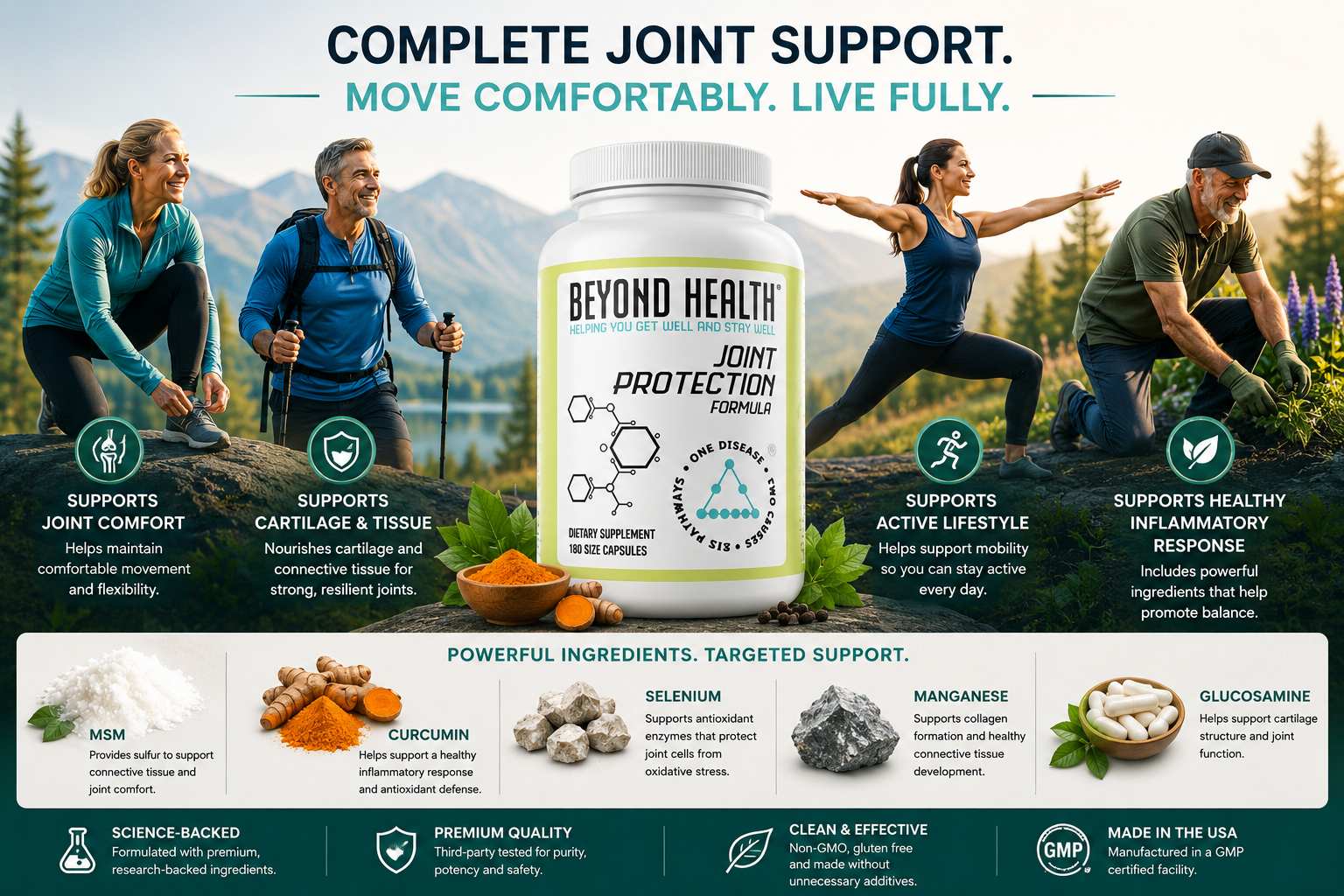
The strongest approach combines consistent movement, strength training, balanced nutrition, healthy body weight, quality sleep, and targeted nutritional support. Beyond Health Joint Protection brings together ingredients that support cartilage, connective tissue, antioxidant defenses, and a healthy inflammatory response in one formula.
Supporting your joints now can help you maintain mobility, independence, and the ability to keep doing the activities you enjoy.