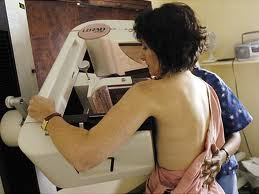
Mammograms and Medical Radiation: An Informed Conversation
Screening vs. Prevention: Understanding the Difference
Many women are told that mammograms are essential for “preventing” breast cancer.
It’s important to clarify:
Mammograms do not prevent breast cancer.
They are screening tools designed to detect cancer earlier.
Prevention and detection are not the same.
Prevention focuses on reducing risk factors.
Screening focuses on identifying disease once it has already developed.
The Radiation Question
Mammograms use low-dose ionizing radiation.
Ionizing radiation is known to:
-
Damage DNA
-
Generate free radicals
-
Increase cancer risk at sufficiently high cumulative doses
The key question is not whether radiation can cause cellular damage — it can.
The question is:
How much risk does low-dose screening radiation add compared to its potential benefit?
Current medical consensus holds that:
-
Mammography exposes women to low doses of radiation.
-
For women over 50, the benefit of detecting certain cancers earlier is generally believed to outweigh the small radiation risk.
-
For younger women, particularly under 40, routine screening is not broadly recommended unless risk factors are present.
That said, cumulative radiation exposure from all medical imaging is an important consideration.
What the Data Shows
Breast cancer screening remains an area of ongoing debate.
Studies have shown:
-
Mammography increases detection of early-stage cancers.
-
It also increases detection of ductal carcinoma in situ (DCIS), some of which may not progress.
-
False positives can lead to additional imaging and biopsies.
-
Overdiagnosis — identifying cancers that may never become life-threatening — is a recognized issue.
Some analyses suggest:
-
Mortality reduction from mammography is modest.
-
Benefits vary by age group and risk profile.
This is why many expert panels now recommend individualized screening decisions rather than universal annual screening beginning at young ages.
Risks to Consider
Potential downsides of routine mammography include:
-
Radiation exposure (cumulative over time)
-
False positives
-
Anxiety
-
Unnecessary biopsies
-
Overdiagnosis and overtreatment
These risks do not mean mammography has no value — but they do mean informed consent matters.
A Personalized Approach
Screening decisions should consider:
-
Age
-
Family history
-
Genetic risk (e.g., BRCA mutations)
-
Personal health history
-
Overall lifestyle factors
For average-risk women:
-
Many guidelines suggest starting routine screening at 40 or 50.
-
Screening intervals may range from annual to biennial.
-
Shared decision-making with a healthcare provider is recommended.
Lifestyle: Where Real Prevention Happens
While screening detects disease, prevention focuses on reducing risk.
Evidence-supported risk-reduction strategies include:
-
Maintaining a healthy weight
-
Limiting alcohol intake
-
Eating a plant-forward, nutrient-dense diet
-
Ensuring adequate folate intake
-
Exercising regularly
-
Optimizing vitamin D levels
-
Minimizing unnecessary radiation exposure
-
Reducing toxic exposures
Cellular health is influenced daily by:
-
Nutrition
-
Oxidative stress
-
Hormonal balance
-
Inflammation
-
Immune function
These are controllable factors.
Alternatives and Adjuncts
Other tools sometimes discussed include:
-
Clinical breast exams
-
Breast self-awareness
-
Ultrasound (particularly for dense breasts)
-
MRI (for high-risk women)
-
Thermography
It is important to note:
Thermography is not currently recommended by major medical organizations as a replacement for mammography, due to limited evidence for mortality benefit. It may be used adjunctively in some settings.
Any screening strategy should be discussed with a qualified healthcare provider.
The Bigger Picture: Radiation Awareness
Medical imaging overall has increased dramatically over the past several decades.
Prudent steps include:
-
Avoid unnecessary X-rays
-
Ask whether imaging is essential
-
Keep a record of cumulative imaging exposure
-
Optimize antioxidant status and overall cellular health
Radiation risk is dose-dependent and cumulative.
Thoughtful use matters.
The Bottom Line
Mammograms are:
-
A detection tool
-
Not a prevention strategy
-
Associated with both benefits and risks
Women deserve:
-
Transparent information
-
Balanced data
-
Individualized risk assessment
-
True informed consent
Health decisions should not be driven by fear — either fear of cancer or fear of screening.
They should be driven by knowledge.
Tags
-
Breast Cancer Awareness
-
Mammogram Debate
-
Medical Radiation
-
Preventive Health
-
Women’s Health
-
Screening Guidelines
-
Cellular Health
-
Informed Consent
-
Oxidative Stress
-
Beyond Health Philosophy