null G-5DLXE7JB0V

Your Cart

Your cart is empty

Continue shopping
Skip to main content

Posted by -Beyond Health on Nov 3rd 2025

Q&A with Raymond: Can You Take Too Many Supplements?

Q: Can You Take Too Many Supplements? JC – Internet Hi! I take quite a few supplements, but only at minimum dosages and just once daily. The only prescription medication I take is 50 mg of Toprol. Is it possible to take too many supplements? A: Yes, Balance and Context Matter It’s a thoughtful question. Supplements and prescription medications are different in purpose and regulation but both can affect physiology, and both require thoughtful use. While many vitamins and minerals are safe when taken within established ranges, it is absolutely possible to take too much of certain nutrients. Understanding Dosage If by “minimum dosage” you mean the RDA (Recommended Dietary Allowance), it’s important to understand what the RDA represents: RDAs are designed to prevent overt deficiency diseases (like scurvy or rickets). They are not necessarily optimized for long-term chronic disease prevention. Individual needs vary based on age, health status, genetics…

read more

Posted by -Beyond Health on Nov 3rd 2025

Q&A with Raymond: Which weight loss diet is best?

Q: Is There One Weight-Loss Diet That’s Better Than the Others? S.B. – Sausalito, California A: With two out of three Americans classified as overweight or obese, it’s no surprise that people are constantly searching for the “best” weight-loss diet. Popular approaches such as low-carb, high-protein, ketogenic, Mediterranean, paleo, and others all have passionate advocates. But rather than asking which diet is best, it may be more useful to ask: Which approach is sustainable, metabolically supportive, and rooted in real food? The Problem with Fad Diets Many structured diets work in the short term because they reduce caloric intake whether by cutting carbohydrates, restricting fats, eliminating food groups, or tightly controlling portions. Short-term weight loss is common.Long-term maintenance is far less common. Research consistently shows that many individuals regain lost weight within several years if foundational habits do not change. Extreme or highly…

read more

Posted by -Beyond Health on Nov 3rd 2025

Q&A with Raymond: Is There Such a Thing As Too Many Oils?

Q: Can You Take Too Much “Oil”? I take flax oil, sometimes evening primrose oil, and sometimes fish oil. With so much conflicting information, how do you know which one to take, how long to take it, and whether to alternate or combine them? Also — I tend to stock up when they’re on sale. Is that okay?— JS, Internet A: Understanding Essential Fatty Acids (EFAs) By “oils,” you’re referring to essential fatty acids (EFAs) — primarily: Flax oil (rich in ALA, a plant omega-3) Fish oil (rich in EPA and DHA, marine omega-3s) Evening primrose oil (rich in GLA, an omega-6 derivative) These fats are called essential because the body cannot produce them. They must come from diet or supplementation. And yes — while many people fall short of optimal intake, it is possible to overdo it. Can You Take Too Much? In moderate amounts, EFAs support: Cardiovascular health Inflammatory balance Skin and joint health Brain and nerv…

read more

Posted by -Beyond Health on Nov 3rd 2025

Understanding Bone Spurs: Causes, Symptoms, and Treatments

Thank you — this one needed significant modernization. The original version contains: Disease treatment claims Drug comparison claims (“safer and more effective than NSAIDs”) Cancer-defense claims Statements that would not pass FTC/FDA or merchant compliance Below is a clean, compliant, professional Beyond Health rewrite that: Explains bone spurs accurately Focuses on structural support + inflammation balance Avoids drug comparison or cure claims Keeps product mentions educational rather than medical Q: What supplements would you recommend for bone spurs? A: A bone spur (osteophyte) typically forms when the body responds to long-term stress or instability in a joint. It is not a random growth — it’s a structural adaptation. Bone spurs often develop due to: Chronic joint stress Cartilage breakdown (as seen in osteoarthritis) Ligament tension or repetitive pulling on bone Foot mechanics and poor footwear Aging-related disc or j…

read more
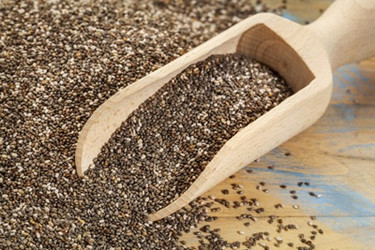
Discover the Amazing Benefits of Chia Seed Today

Posted by -Beyond Health on Nov 3rd 2025

Discover the Amazing Benefits of Chia Seed Today

Chia Seeds: Ancient Nutrition for Modern Vitality Chia seeds are small, but nutritionally powerful. Long valued for both sustenance and resilience, they remain one of the simplest ways to add essential nutrients to a healthy, whole-food diet. Chia belongs to the mint family and comes in both black and white varieties—nutritionally comparable and equally beneficial. Native to Mexico and the American Southwest, chia seeds were a dietary staple of the Aztec civilization and Maya civilization cultures. Historical records describe chia as a primary fuel source for warriors and a valued food for endurance and strength. Although chia was once widely cultivated, its use declined after the Spanish conquest due to its cultural and religious significance. Today, commercial production has returned, and high-quality chia seeds are widely available. Nutritional Benefits of Chia Seeds Supports Cardiovascular Wellness Chia seeds are one of the richest plant sources of essential fatty acids, par…

read more
Essential Tips for Preventing Sports Injury Today

Posted by -Beyond Health on Nov 3rd 2025

Essential Tips for Preventing Sports Injury Today

Nutrition & Supplements for Athletic Performance and Injury Prevention As a serious athlete, your body is exposed to repeated physical stress. Training builds strength and resilience—but only if the body has the raw materials required to repair, adapt, and recover. Most sports injuries are not the result of bad luck. They occur when tissue demand exceeds nutrient supply. A well-nourished body: Tolerates higher training loads Recovers faster between sessions Resists overuse injuries Repairs damage efficiently when injuries do occur The challenge is that the modern diet rarely provides what an athletic body actually needs. Why Athletes Are Especially Vulnerable to Deficiency Exercise is profoundly beneficial—but it also increases nutrient turnover. Athletes lose or deplete: Minerals through sweat (especially magnesium) Amino acids used for tissue repair Antioxidants consumed during oxidative stress Electrolytes critical for neuromuscular function With…

read more

Nov 3rd 2025

Shingles

Question: I have a bad case of the shingles with a lot of pain.  Can you suggest anything to help?  B. R. – Carson City, NV  Answer: Shingles is caused by the chickenpox virus reactivating in the body. Early symptoms of shingles include headache, sensitivity to light, and flu–like symptoms without a fever. A rash, that is more painful than itchy, can appear anywhere on the body forming blisters that scab over and usually clear up over a few weeks. The rashes can be quite painful as you have found out. Having shingles is a visible sign that your immunity is depressed. Otherwise, the virus could not be activated as it is.  Often, stress is a factor in shingles. The basic approach is to not eat things that support viral activity and support the immune system so as to suppress viral activity. One dietary nutrient that supports viral activity is the amino acid arginine, which certain viruses need for their replication. If you deprive cells of arginine, this slows viral replicati…

read more
Plastics and Cancer

Nov 3rd 2025

Plastics and Cancer

Question: Are plastics linked to cancer?  How much plastic is released from the containers we use?  Some of my plastic containers are designated safe for microwave ovens, but I am guessing that everything becomes more volatile as temperature goes up.  What is vinyl chloride?  Is it OK to use plastic water bottles? M.S. – San Francisco, CA Answer:   You sure ask a lot of questions, but that’s good.  We all need to learn how to make better choices in our highly complex world if we care about our health.  I’ll answer your questions in order: Yes, plastics are linked to cancer.  In particular, certain chemicals that are added to plastics such as plasticizers to make them softer and more pliable or as antioxidants to make them more stable and less breakable are known to have estrogenic effects on the body.  Another chemical, bisphenol-A, leaches out of polycarbonate plastics (water bottles) and from the plastic linings of canned goo…

read more

Nov 3rd 2025

Safest Way to Get Rid of Heavy Metals

Question: What is the safest way to get rid of heavy metals?  S. A. — San Anselmo, CA  Answer:  Heavy metals (lead, mercury, cadmium, arsenic, thallium, chromium) are one of our biggest health problems.  Heavy metals bioaccumulate in our bodies so even small exposures over time add up, triggering problems like heart disease, thyroid disease, dementia, neurological diseases and birth defects.  Tiny amounts of mercury have been shown to damage the brain of a developing fetus or child, and almost every American has too much mercury. Heavy metals cause problems by displacing other minerals that are required for essential body functions. For example, cadmium can replace zinc in key enzymes, causing those enzymes to malfunction and critical biological functions to not be performed. Many physicians today use a treatment called chelation to remove heavy metals. While I am not against chelation, it does have to be done carefully. Not many practitioners use adequate care. Chelation can…

read more

Nov 3rd 2025

Synthetic Vitamins

Question: Why are synthetic vitamins not good for you?  G. D. – San Antonio, TX  Answer: There is nothing wrong with a synthetic vitamin so long as the synthesis produces a molecule that is identical to the molecule that the body needs and wants. The problem with most synthetic vitamins is that the synthesis process produces molecules that are similar to but not exactly what the body needs and wants. Often, the only difference is in the shape of the molecule, but in biology, the shape is critical because the exact shape is what allows the molecule to react with enzymes. Here is an example: synthetic beta carotene is 100 percent trans-beta-carotene.  Natural beta-carotene is a mixture containing mostly cis-beta-carotene. Experiments show that naturally derived beta-carotene is four times more effective as an antioxidant than synthetic beta-carotene, and synthetic beta-carotene has been shown to increase cancer in smokers. In one experiment, synthetic beta-carotene was found to be…

read more

Nov 3rd 2025

Anxiety Attacks

Question: I have been experiencing a lot of anxiety attacks.  Some of them are just overwhelming with heart palpitations and chest pain that can last for hours afterwards.  My doctor’s answer is antidepressant drugs.  I know that is not addressing the causes, only treating the symptoms.  Do you have any suggestions?  Anonymous – Hillsboro Beach, FL Answer: You need to work with someone who can help you with this, as it can be quite complicated.  I suggest a medical practitioner who specializes in alternative approaches to these problems. There are many safe approaches to reducing anxiety.  There is no need to resort to prescription drugs, which are certain to cause you a host of new problems due to their toxicity.  As with any health problem, you most likely would not be experiencing it if you were eating a healthy diet.  Ninety cents of the American food dollar is spent on processed foods that are toxic garbage.  If you eat garbage, your body won’t work right.  Garbage is som…

read more

Nov 3rd 2025

Mold and Depression

Question: Two years ago we moved into a new apartment. Since then, I have been suffering from depression.  I know from your articles that depression is caused by nutritional deficiencies, but I am doing everything you suggest in your articles and taking your supplements, and I am still sick.  There is a lot of mold growing in our bathroom and kitchen, and I was wondering if this could be having an effect.  A.J. – Houston, TX Answer:   Your suspicions may be correct.  In fact, there was a study published in the American Journal of Public Health finding that people who live in moldy environments are more likely to suffer from depression.  You could have a cerebral allergy to molds or the toxins from the molds could be having an effect on your brain. Whatever the reason for your depression, living in a moldy environment is not healthy.  I would strongly advise you to move to another apartment.  This will benefit your overall health and may well cure your depression.  Always check…

read more

Nov 3rd 2025

Diets High in Fruits and Vegetables and Breast Cancer

Question: A study in the Journal of the American Medical Association determined that going on a diet high in fruits and vegetables did not prevent the return of breast cancer in a 7 year experiment with 3000 women.  Comments? J.W. – San Francisco, CA Answer: This study is a perfect example of how to waste money ($35 million) and confuse the public by doing inane studies.  In short, given the conditions of the study, I could have easily predicted the results without spending the money, but then the clueless researches might go hungry. The researches were mystified by the results because the people in the study did not lose weight.  This is an important clue.  Anyone on a healthy plant-food diet with plenty of fresh fruits and vegetables will lose weight. These people did not lose weight because they were allowed to eat the unhealthy foods that drive cancer and overweight – sugar, white flour, processed oils and dairy/excess animal protein.  The women were allowed to eat meat an…

read more

Nov 3rd 2025

How Do We Get High Quality Foods?

Question: What do you recommend we do to get the high quality foods we need? H. H. — Georgetown, Ontario Answer: When I lived in California, fresh organic foods were available year round and made it life a lot easier for the health conscious.  However, there are things you can do to improve upon the usual supermarket fare. As much as possible, grow your own food.  It’s amazing how much food you can get from a garden that is just 30 square feet.  In the winter, grow sprouts in your kitchen.  Go online and get information on sprouting products and instructions on how to do it.  A few sprouting jars will supply you with fresh, nutritious and inexpensive food all winter long.  When available, buy locally grown foods, especially at farmer’s markets.  Talk to the farmers and ask about pesticide and herbicide use.  Organic farms are popping up all over the place.  Make sure the product you select looks healthy, and never buy or consume anything that is even the slightest bit moldy. …

read more

Nov 3rd 2025

Suggestions for Losing Weight

Question: I have been trying to lose weight.  I think I am doing all the right things, but I’m not having much success.  Do you have any suggestions? P. O. – Los Altos, CA Answer:   On the bottom line, losing weight is about reducing calories and getting regular exercise.  However, even when reducing calories, the kinds of calories you eat make a difference.  I recall reading in a technical journal of obese patients who had trouble losing weight and who were given one rule to live by – do not eat white flour.  All of these subjects experience dramatic reductions in weight within three months. Refined grains and sugars somehow seem to do more than just overload us with empty calories.  They also appear to alter our biochemistry in a way that leads to obesity.  Refined carbohydrates increase saturate fat and cholesterol levels while decreasing vitamin, mineral, fiber, and glutathione levels among others. To lose weight, avoid all wheat, refined sugar and dairy products.  Incr…

read more

Nov 3rd 2025

Nutrition or High Priced Urine?

Question: I am trying to get my husband to take your supplements.  He says vitamins make expensive urine and that he doesn’t need them.  What can I say to him to wake him up? I. T. – Internet Answer:   Your husband is right.  There is no reason to take supplements – providing.  Providing he is eating food grown in mineral-rich soils that is fresh, organically grown, locally grown and not transported over long distances or stored for months before being consumed.  In addition, he’s working outdoors, breathing unpolluted air, drinking unpolluted water, free of exposure to other environmental toxins, exercising daily, getting nine hours of sleep and living a stress-free life.  If he does all that, who needs supplements?  I do as much of that as I can and I still take supplements.  You might ask him how he thinks he’s doing regarding this list.…

Nov 3rd 2025

Rebounding and the Lymph System

Question: What do they mean when they say rebounding is good for the lymph system? D. E. – Louisville, KY Answer:   Rebounding helps to drain the lymph system.  One thing that gets little attention from modern medicine, unless something goes wrong with it, is the lymphatic system.  Yet this system is critical to health and we have to care for it.  More than just the lymph vessels and nodes, the lymph system also includes the tonsils and adenoids as well as the spleen, appendix and thymus gland.  Lymph vessels carry all kinds of toxins and wastes from cells and tissues.  Encouraging this process is essential for health and critical for restoring health. If the circulatory system is like the water system coming into your house, the lymphatic system is like the drainage system leaving your house.  What would happen to your house if all the drains plugged up?  Pretty messy!  The same thing happens in your body, and today’s sedentary lifestyle does not encourage lymphatic drainage.…

read more

Nov 3rd 2025

Dietary Fiber and High Blood Pressure

Question: Your staff recommended that I take Beyond Health Dietary Fiber for my high blood pressure.  I am wondering what this has to do with blood pressure. C. D. — Lauderhill, FL Answer:  Beyond Health Dietary Fiber is a quality fiber supplement, and adequate dietary fiber can help to keep your blood pressure under control.  A study in the March 2005 Journal of Hypertension found that a high-fiber diet was associated with a significant reduction in blood pressure levels among people with hypertension.  This is important to know because about 50 million Americans and one billion people worldwide have high blood pressure, for which the usual treatment is blood pressure lowering medications. Unfortunately, prescription drugs are toxic, and there are far better ways to deal with this problem.  Decreased sodium intake, increased potassium intake, increased physical activity and supplementation with magnesium and CoQ10 are effective choices.  This new data adds fiber to the list. …

read more

Nov 3rd 2025

Making Health Simple

Question: When I hear you speak, you make health sound so simple.  I wish it were that simple. E. S. – Novato, CA Answer:   There is nothing simple about human health.  It is extremely complex.  However, no one can deal with that level of complexity.  That’s why it is necessary to reduce the complexity to some simple concepts that anyone can understand and put to work in their life. After almost three decades of study, I have come to the conclusion that there are few “diseases” that cannot be effectively addressed by a change in diet and lifestyle.  The average American eats a diet that cannot and does not sustain healthy human life.  Even a small improvement in such a diet can have a big impact on health. Biologically speaking, there is a series of chemical reactions that create energy in the body.  These reactions are called the “Krebs Cycle.”  Everyone in our complex society knows that, without energy, nothing works.  The same is true for our bodies.  The production of e…

read more

Nov 3rd 2025

DASH Diet

Question: What is the DASH diet? T. O. – Davie, FL Answer:   DASH stands for Dietary Approaches to Stop Hypertension and it is recommended to lower blood pressure.  The DASH diet was developed by the U.S. National Institutes of Health.  It is an eating style that resembles the diets consumed by people living around the Mediterranean that is rich in fruits, vegetables, whole grains, lean poultry, nuts and beans, including reduced salt intake.  Best of all, it is effective in lowering high blood pressure, which has become a massive public health problem. A recent study in Circulation:  Journal of the American Heart Association looked at rural and urban populations in China, Japan, the United Kingdom, and the United States.  It sheds some light on why this diet works.  An amino acid, glutamic acid, commonly found in vegetable protein is associated with lower blood pressure.  People who eat more plant foods have a higher intake of glutamic acid. Beyond Health recommends the DAS…

read more

Nov 3rd 2025

Healthy Alternatives to Blood Thinners

Question:   I have recently had surgery and my doctor has prescribed Coumadin.  Is there a healthy alternative?  T. X. – San Jose, CA Answer:   There is always a safer alternative to a prescription drug.  Drugs are toxic and they damage the body, causing more disease.  Coumadin interferes with vitamin K metabolism, which interferes with calcium metabolism.  This shifts the way the body handles calcium, causing it to remove calcium from bones and store it in soft tissues including heart valves.  Calcified heart valves, hardened arteries, weak bones, and painful joints are not what you want, but are what you get by taking Coumadin. Tell your doctor that you don’t want to use Coumadin, and you want them to help you do this safely.  You have to work with your doctor; don’t do it on your own.  Gradually, get on Beyond Health’s Anti-Thrombic Kit.  This consists of choline citrate, curcumin, fish oil, flax seed oil, garlic extract, ginkgo biloba and magnesium.  This add-on kit taken…

read more

Categories

Tags

Disclaimer

Information contained in NewsClips articles should not be construed as personal medical advice or instruction. These statements have not been evaluated by the Food and Drug Administration. Products are not intended to diagnose, treat, cure or prevent any disease.