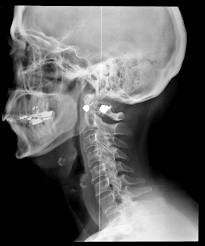
Medical X-Rays: Understanding the Risks and Making Informed Choices
A Conversation We Need to Have
Medical imaging has transformed modern healthcare.
X-rays, CT scans, and other radiologic tools allow physicians to detect fractures, infections, tumors, and internal injuries that would otherwise go unseen.
But like all powerful technologies, radiation carries risk.
Understanding both the benefits and the biological costs of radiation exposure allows us to make informed, responsible decisions.
How Radiation Affects Cells
X-rays are a form of ionizing radiation.
Ionizing radiation has enough energy to:
-
Knock electrons out of atoms
-
Generate free radicals
-
Damage DNA
DNA damage is central to long-term health risk. When DNA is altered and not properly repaired, mutations can occur. Over time, accumulated mutations may contribute to chronic diseases, including cancer.
Our bodies possess remarkable DNA repair systems but these systems are not unlimited. The greater the oxidative burden, the more stress is placed on repair mechanisms.
Cancer and Radiation Exposure
Radiation exposure has long been associated with increased cancer risk. The connection is well documented in populations exposed to high levels of radiation.
Medical imaging contributes a smaller but still measurable portion of cumulative lifetime radiation exposure. CT scans, in particular, deliver significantly higher doses than standard dental or chest x-rays.
The key issue is not panic it is dose and frequency.
Radiation risk is cumulative.
What About Heart Disease?
Some researchers, including Dr. John Gofman, proposed that radiation exposure may also contribute to vascular damage.
The theory suggests that radiation can injure smooth muscle cells within arteries, potentially influencing inflammatory processes involved in atherosclerosis.
While mainstream cardiology does not classify routine diagnostic imaging as a primary driver of heart disease, radiation’s biological effects on vascular tissue continue to be studied.
The broader takeaway remains consistent:
Oxidative damage and inflammation are central to chronic disease and radiation increases oxidative stress.
Are X-Rays Overused?
Medical imaging has increased dramatically over the past several decades.
Some analyses suggest that a meaningful percentage of imaging studies may not change clinical management.
However, it is important to distinguish between:
-
Unnecessary imaging
-
Appropriate diagnostic use
When imaging is clearly indicated such as after trauma, for suspected fractures, infections, or life-threatening conditions the benefits often far outweigh the risks.
The goal is not avoidance at all costs.
The goal is thoughtful use.
How to Be a Smart Healthcare Consumer
Before undergoing imaging, consider asking:
-
Is this test essential for diagnosis or treatment decisions?
-
Are there non-radiation alternatives (e.g., ultrasound or MRI)?
-
What is the radiation dose?
-
Have I had similar imaging recently?
Maintaining a personal record of imaging history is wise.
Informed consent begins with informed questions.
Supporting DNA Repair and Antioxidant Defense
While we cannot eliminate all radiation exposure, we can strengthen cellular resilience.
Radiation generates free radicals unstable molecules that damage tissues. A robust antioxidant system helps neutralize them.
Support your antioxidant defenses with:
-
A nutrient-dense diet rich in colorful fruits and vegetables
-
Adequate vitamins A, C, D, and E
-
Zinc and selenium
-
Phytonutrients such as curcumin and quercetin
-
Sufficient sleep
-
Regular exercise
-
Stress reduction practices
Optimizing DNA repair pathways also requires adequate B vitamins (B3, B6, B12, folate) and essential nutrients.
Health resilience is cumulative.
Balance, Not Fear
Medical imaging has saved countless lives.
But unnecessary exposure to ionizing radiation is not benign.
The prudent approach is:
-
Use imaging when medically justified
-
Avoid routine or repetitive scans without clear benefit
-
Strengthen cellular defenses through foundational health practices
Health is not passive.
It is a series of informed choices.
The Bottom Line
Radiation can damage DNA.
DNA damage, if unrepaired, can contribute to chronic disease.
But the solution is not rejection of modern medicine.
It is discernment.
Ask questions.
Limit unnecessary exposure.
Support your body’s repair systems.
That is intelligent prevention.