null G-5DLXE7JB0V

Your Cart

Your cart is empty

Continue shopping
Skip to main content
Fluoride and Hypothyroidism

Nov 3rd 2025

Fluoride and Hypothyroidism

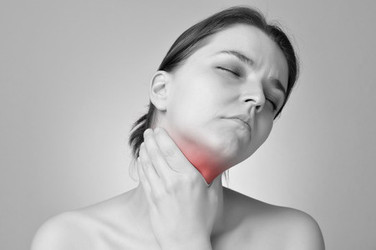
Feeling tired all the time? Cold intolerant? Depressed? Constipated? Losing your hair? Do you gain weight easily, or have muscle or joint pain, or are you forgetful and unable to concentrate? These are some of the major symptoms of hypothyroidism, a condition in which your thyroid gland is not producing enough thyroid hormone or not enough hormone is getting into your cells to do its job. If hypothyroidism is a problem for you, you may be surprised to learn that fluoride, which is dumped by the ton into much of our public water, was once used as a medication for deliberately suppressing thyroid function in cases of overactive thyroid. Why are we dumping a thyroid-suppressing drug into our public water?  Good question! Even the government’s National Research Council voiced concern about fluoride’s effects on the thyroid in a 2006 report. They found “clear evidence” that amounts of fluoride at or near levels added to US water present potential risks to the thyroid gland.…

read more
Beyond Health―Our Story―The Book

Nov 3rd 2025

Beyond Health―Our Story―The Book

When people get sick, their first concern is generally getting well so they can “get back to their lives.” But sometimes a serious illness catapults you into a whole new life you never could have imagined. Such was the case with our company founder and president, Raymond Francis. Three decades ago, Raymond had parlayed his MIT-education in engineering and chemistry into a career many would envy. As a corporate turnaround consultant and an expert in industrial quality and productivity, who was called in to make failing businesses profitable again, Raymond had established an impressive record of international success. He had even been called in to advise the governments of China and Fiji. However, a life-threatening illness changed all that. When doctors not only failed to help him, but only made things worse, he saw that getting well was going to be his greatest challenge yet. It would require digging deep into his reservoirs of strength and hope and working simultaneously on eve…

read more
Cleveland Clinic MD Says Daily Multi is a Must

Nov 3rd 2025

Cleveland Clinic MD Says Daily Multi is a Must

High-quality supplements are a pivotal part of Raymond Francis’s approach to getting well and staying well, and supplying them is a cornerstone of our business at Beyond Health. We believe that even if you eat an exceptionally healthy diet, high-quality supplements, especially a multivitamin, essential fatty acids extra vitamin C, and vitamin D if levels are tested and found to be low, are essential to maintaining optimal health. (For the many reasons why, see Raymond’s free report, The Roadmap to Supplements.) So we were pleased to read that Mark Hyman, MD, Director of the prestigious Cleveland Clinic’s Center for Functional Medicine, wholeheartedly agrees. The Cleveland Clinic is an academic medical center and a leader in research, education and health information in Cleveland, Ohio. It is rated the second best hospital in the country by US News & World Report, and #1 for heart care. Dr. Hyman himself is well-known for his best-selling books and many appearances on public te…

read more
Nature:  Try It. You’ll Like It!

Nov 3rd 2025

Nature: Try It. You’ll Like It!

"Forget not that the earth delights to feel your bare feet, and the winds long to play with your hair." -- Khalil Gibran Before reading any further, if you want to laugh and feel good about life for a few minutes, please click on this great video produced by nature-rx.org. The video tells us what scientists have recently started to document, and what we’ve known intuitively all along: Our relationship with nature is fundamental to our well-being. Nature heals and restores us, mentally, physically and spiritually. Without adequate “vitamin N,” we are somehow lost, disconnected from life and from ourselves, and this impacts us on every level, including having negative effects on our physical and emotional health. In fact, some doctors are beginning to prescribe “nature” to their patients, and some researchers are trying to determine what exact “dose” of time spent in nature would be optimal! So, as we look this month at re-creating ourselves through rest and recreation, it is…

read more
Fish Oil and Nicotine Addiction

Nov 3rd 2025

Fish Oil and Nicotine Addiction

We’ve been singing the praises of fish oil for years now. That’s because fish oil provides certain fats that are sorely lacking in the average diet: the omega-3 fatty acids EPA and DHA. In fact, if you’re not going out of your way to get omega-3 fatty acids, you are almost certainly not getting enough. Our bodies synthesize about one trillion new cells every day. Each cell requires the right kinds of fats for its cell membrane. If you aren’t getting enough omega-3s in your diet, you are creating malfunctioning cell membranes and hence malfunctioning cells. Over time, this will have disastrous effects, especially in the brain (which is mostly fat) and nervous system. Now it seems that fish oil may take some of the pain out of nicotine withdrawal. Israeli researchers asked 48 smokers who were not trying to quit to take capsules containing 2,710 milligrams of EPA and 2,040 milligrams of DHA daily or a placebo for one month. At the end of the month, nicotine cravings were down sub…

read more
Reduce Inflammation by Improving Your  Omega-3:Omega-6 Ratio

Nov 3rd 2025

Reduce Inflammation by Improving Your Omega-3:Omega-6 Ratio

Inflammation is a major factor in pain and in all kinds of disease from arthritis to allergies, heart disease, obesity, neurodegenerative brain disease and more (see Inflammation: a Common Denominator of Disease).  And one of the primary causes of inflammation is an imbalance in the modern diet between two types of fats called omega-3s and omega-6s. These two fats are sometimes referred to together as the “essential fatty acids.” They are “essential” because our bodies can’t make them, so it’s essential that we get them from either food or supplements.  Omega-3s are anti-inflammatory, while most omega-6s are pro-inflammatory. The typical modern diet provides far too few omega-3s and way too many inflammatory omega-6s.  To make matters worse, those omega-6s are usually from toxic, processed vegetable oils.  Processing these omega-6 oils damages them, often converting them into dangerous trans fats, while contaminating them with added toxins. …

read more

Nov 3rd 2025

MSM -- How Much to Take? What About Side Effects?

Addressing Frequent MSM QuestionsThere are some compelling reasons to add MSM to your supplement protocol, especially if you're dealing with pain and/or inflammation. MSM is also an excellent source of sulfur, known as the "beauty mineral." Sulfur provides support for strong, thick, lustrous hair; a complexion free from blemishes and wrinkles; and nails that are strong without being brittle. In addition, MSM promotes detoxification.But how much should you take? And what about the possibility of adverse reactions?One 500 mg capsule a day is good insurance for most people to prevent sulfur deficiency and support construction of healthy connective tissues, detoxification, and beautiful, strong hair, skin and nails.Treating specific health problems can require anywhere from 1,000-6,000 mg a day (and higher doses under professional supervision) depending on body size, age and severity of symptoms. MSM is particularly good for symptom-relief related to allergies, asthma, athletic injuries, a…

read more
Want More Energy?  Detox Your Liver!

Nov 3rd 2025

Want More Energy? Detox Your Liver!

A major reason we slow down as we age is that we’re carrying around a lifetime’s accumulation of toxins. When toxins coming in exceed our ability to detoxify and eliminate them, they get stored in our fat cells and in our liver. Toxins can remain for years—often a lifetime. These stored toxins constitute a “toxic load,” stealing our energy, compromising liver and immune functions, damaging DNA, and exerting other harmful effects. Lightening your toxic load will make you feel a lot younger, more energetic and just BETTER. In addition, toxicity is one of the two causes of disease (the other being nutritional deficiency). So the more you detoxify, not only the better you’ll feel today, the more disease you’ll prevent in your future! Of course, it’s best to avoid toxins as much as you can in the first place . Raymond Francis, Beyond Health’s founder, wrote at length in his books about how to avoid toxins in food, water, supplements, medications, h…

read more

Nov 3rd 2025

Prevent Heart Attacks and Strokes by Lowering Your Oxidized LDL

If you’re someone who thinks you don’t have to worry about getting a heart attack because your cholesterol levels are within the desired range, think again. Half of those who’ve had a heart attack had exemplary cholesterol levels at the time! A much more meaningful number to be aware of and to control is your level of oxidized LDL cholesterol, and a new test can tell you that all-important number.     LDL (low-density lipoprotein), sometimes referred to as the “bad” cholesterol, can’t cause heart attacks or strokes unless it becomes oxidized.  While doctors have been measuring LDL for a long time, it’s only been recently that a test that measures oxidized LDL has become widely available.  Chemically, oxidation occurs when an electron is stolen from a molecule by a “pro-oxidant.” Oxidation can become quite damaging in our bodies if it isn’t balanced by the presence of compounds called “antioxidants,” which supply missing electrons and protect molecules…

read more

Nov 3rd 2025

Nutrients that Protect Against BPA

Bisphenol A (BPA) could be a poster child for the Precautionary Principle—the principle that synthetic chemicals should be proved safe before they are allowed to come into commercial use. Now that BPA is found just about everywhere and in everyone (see above article), it has been implicated in a host of dysfunctions and diseases.But there’s some good news. Scientists have been exploring various nutrients which may be able to limit BPA’s harmful biological effects and/or assist the body in breaking down and excreting this estrogenic compound. Fortunately these include many of the nutritional “good guys” Beyond Health has been recommending for years.Green and Black TeaOne way in which BPA harms body tissues is through oxidative stress—it reportedly has effects similar to hydrogen peroxide (H2O2). However in two laboratory studies, extracts from both green tea and black tea were able to mitigate these effects and protect cells from oxidative damage. Green tea also stimulates glucuronidat…

read more
Quercetin:  Protection from Estrogenic Chemicals

Nov 3rd 2025

Quercetin: Protection from Estrogenic Chemicals

Like bisphenol A (BPA), many endocrine disruptors are estrogen mimics, also known as xenoestrogens. These copycat estrogens add to your body’s estrogen load and lead to an increasingly common problem in women called “estrogen dominance.” Estrogen dominance is situation in which you have too much estrogen, particularly in relation to the hormone progesterone. Many women’s health issues, including fibrocystic breasts, uterine fibroids, ovarian cysts and hormone-related cancers are associated with estrogen dominance.Our main xenoestrogen exposure comes from pesticides (in produce, in the fat of conventionally raised animals, and in drinking water contaminated with pesticides) and plastics. A recent study found that almost all commercially available plastic products they sampled, including those advertised as BPA-free, leached chemicals having estrogenic activity.It is known that quercetin, a phytonutrient found in high amounts in onions (especially the outer layers) and cranberries; in le…

read more
Calcium and Osteoporosis

Nov 3rd 2025

Calcium and Osteoporosis

The biggest misconception about osteoporosis is that it can be prevented simply by getting enough calcium in the diet or through supplements. At Beyond Health we often get questions about “what’s the best calcium for building good bones?” On the other hand, many people tell us they’ve heard that supplemental calcium can be dangerous (we’ll get to that later).But first, while we’re glad that more and more women (and men!) of all ages are taking proactive steps to build bones that will last a lifetime, building healthy bone is a little more complicated than just getting enough calcium. Calcium plays many vital roles in our bodies—in energy production, nerve transmission, muscle contraction, blood clotting and more—but it is certainly most well known as the major component of bone (it makes up about 65% of our bones). But like the star player on a football team, calcium can’t “win the game” by itself. It needs a complete team of vitamins and minerals backing it up.For examp…

read more

Nov 3rd 2025

Quercetin Resolves Arthritic Pain by Repairing Joints

The only thing that is constant is change ― Heraclitus We may not feel that different from day to day, but our bodies are constantly changing, breaking down old cells and tissues and replacing them with new cells and tissues.  Part of this constant change is self-repair. Have you ever marveled at how a cut or bruise heals, usually leaving no trace of injury, without your having to do a thing? But our bodies need two things from us to perform these miracles—good nutrition to supply the right raw materials, and protection from toxins. Lacking either, repairs can’t be made properly and instead of healing, the body begins to break down.   Inflammation is part of the repair process, and when repairs are complete, inflammation disappears.  But when repairs are incomplete, inflammation becomes chronic. It then causes chronic pain and further damage that elicits more inflammation in a vicious cycle. This is what happens in arthritic joints.  It isn’t “old a…

read more

Nov 3rd 2025

Boost Your Immunity with Fiber!

You probably associate getting enough fiber—the non-digestible “roughage” we get from plant foods—with good elimination. You may also know that fiber helps maintain a healthy weight by filling you up so you eat fewer calories, or even that fiber helps to maintain good cholesterol levels. But how can eating fiber strengthen your immunity?The answer is that fiber nourishes the trillions of beneficial bacteria (probiotics) that live in our intestines, where they are a crucial part of our immune systems. Anywhere from 60-80% of immune system activity takes place in the intestines, where probiotics attack pathogens with powerful antimicrobial substances. These substances are often as powerful as the strongest antibiotic medications, but they don’t kill off good gut bacteria as is done by antibiotic drugs.According to Rachel Begun, MS, RDN, quoted in a recent issue of Environmental Nutrition, various aspects of modern life have altered gut microflora, damaging immunity and leading to signifi…

read more
An End to Heart Disease?

Nov 3rd 2025

An End to Heart Disease?

Now I’ve got to the point where I think we can get almost complete control of cardiovascular disease, heart attacks and strokes by the proper use of vitamin C and lysine. If you are at risk of heart disease or if there is a history of heart disease in your family . . . or if you have had a mild heart attack yourself, then you had better be taking vitamin C and lysine. – Linus PaulingIn the US, heart disease causes 700,000 deaths each year—more than all forms of cancer combined.  Atherosclerosis, or “hardening of the arteries” causes most heart attacks and strokes and is found to some degree in almost everyone today, even babies. It doesn’t have to be this way.Dr. Linus Pauling proposed a solution: vitamin C . . .Thirty years ago, chemist Linus Pauling, two-time Nobel Prize winner and one of the great scientific minds of the 20th century, proposed that vitamin C deficiency is the major cause of atherosclerosis.Among its more than 300 functions in the human body, vitamin C helps the…

read more
Vitamin B6 and Other Levodopa-Related Deficiencies

Nov 3rd 2025

Vitamin B6 and Other Levodopa-Related Deficiencies

Patients living with Parkinson's disease (PD) may be steered toward levodopa to manage symptoms. Presently, levodopa remains the most common PD drug. However, as with many medications, levodopa can create nutrient deficiencies with serious side effects when taken over time, with decreasing amounts of vitamin B6 and vitamin B12 being among the concerns. What Is Parkinson's Disease? PD is a progressive neurological disease in which brain cells that produce the neurotransmitter dopamine gradually die off. Low levels of dopamine cause various movement and non-movement related dysfunctions. The drugs that treat PD either replace or enhance dopamine, and central among these drugs is levodopa. What Is Levodopa? Considered the strongest medication available for managing PD and Parkinson's-like symptoms, levodopa was introduced in the 1960s and is currently classified as a central nervous system agent. Once taken, levodopa is converted into dopamine in your body. It is usually combin…

read more
Sugar and Depression

Nov 3rd 2025

Sugar and Depression

Gloria Swanson is known for playing the delusional Norma Desmond in the movie “Sunset Boulevard.” But in real life, she was a very sane and smart woman, and an early convert to the natural health movement. In the 1970s she toured the US helping her husband William Duffy to promote a book he authored that became a dietary classic, Sugar Blues. Sugar Blues is an indictment of refined sugar as a dangerous and addictive toxin with disastrous effects on the brain and mental health (both Linus Pauling and psychiatrist Thomas Szasz, who agreed with Duffy about sugar, are cited in the book). Although Duffy’s book has had a significant impact on a health-conscious minority, sugar consumption continues to ravage the mental health of millions of Americans in minor and major ways. It has been linked with all kinds of mental distress, from depression to schizophrenia, while sugar and a high-glycemic diet have been linked specifically with depression. As noted in a recent Newsclips article,…

read more

Nov 3rd 2025

Berberine and Weight Loss

Gut HealthOne good thing about getting older is that we generally become more self-accepting, warts and all.  And if we’re getting a little paunchier in our mid-sections, in the broad scheme of things it’s just not the big deal it would have been in our greener years. Besides, as my good friend Alice says, “everybody’s fat now.” But cosmetic issues aside, gaining fat is an indication that our cells are in trouble. The fact that we’re hardly alone in this predicament doesn’t mean it’s not something to be concerned about. A spreading middle means we’re headed in the wrong direction—the direction of premature aging and chronic disease. Fat cells produce inflammatory chemicals, and chronic inflammation is a common denominator of chronic disease. Being overweight increases your risk of high blood sugar and is the single best predictor of developing type 2 diabetes. High blood sugar causes glycation—a “sugar-coating” of proteins, and since our bodies are made of protein, gly…

read more

Nov 3rd 2025

Feed Your Helpful Tummy Bugs!

You know that fresh fruits and vegetables are good for you, but when you feed yourself you’re also feeding trillions of guests. These “guests” are the bacteria (aka microbiota, or tummy bugs) that inhabit your intestines. And according to Justin Sonnenburg, PhD, Assistant Professor of Microbiology and Immunology at Stanford School of Medicine, diet is one of the most powerful impacts on gut microbiota, who feed on fiber-rich carbohydrates found in whole plant foods. Why would you want to treat your tummy bugs as honored guests? Because we have an age-old deal with these guys. We provide them with food and a warm place to live; they help us to digest and absorb food, to synthesize vitamins, to produce amino acids, to secrete mucus, to prevent constipation by increasing motility, to create food for intestinal cells, and, perhaps most importantly, to partner with our immune system (more than 2/3 of which is located in the intestines) by degrading toxins and competing with and killi…

read more
Vitamin D and Green Tea Reduce Uterine Fibroids

Nov 3rd 2025

Vitamin D and Green Tea Reduce Uterine Fibroids

Uterine fibroids (UFs) are non-cancerous tumors that grow in the uterus. About 70% of the female population will get one or more during their reproductive years. Sometimes, but not always, they shrink after menopause. Many women don’t even realize they have them, but about a third of women with UFs seek medical help for problems they cause.If UFs grow too big, and/or are in the wrong place, they can interfere with urinary or gastrointestinal systems, putting pressure on the bladder or rectum and causing frequent urination, constipation and/or rectal pain. They can also cause reproductive problems: infertility, miscarriage, difficult deliveries, irregular periods, mild tosevere menstrual cramping and pain, heavy bleeding sometimes leading to anemia and pain during sex. UFs can cause lower back or abdominal pain. Finally, a large fibroid can just be uncomfortable and make you look pregnant.It isn’t known exactly why UFs develop and grow—estrogen, progesterone, stress, diet and toxins se…

read more
Berberine Outperforms Metformin

Nov 3rd 2025

Berberine Outperforms Metformin

Uncontrolled diabetes increases risk for severe illness with COVID-19. If you are diabetic, or pre-diabetic, your doctor may have recommended taking metformin to lower your blood sugar.There is almost always a better natural alternative to pharmaceutical medications, and metformin is no exception. According to renowned alternative doctor Jonathan W. Wright, MD, berberine, a botanical found in plants like goldenseal, barberry and Oregon grape, can do everything metformin can do with far fewer side effects.Like many pharmaceuticals, metformin has its origins in botanical medicine; it is derived from goat’s rue, also known as French lilac. Like berberine, metformin activates AMPk (5' adenosine monophosphate-activated protein kinase), an extremely powerful enzyme in every cell in the body that’s been called the “youthinizing enzyme.” AMPk is a “master regulating switch” for energy metabolism. Want more energy? Boost your AMPk! Want to reduce body fat, especially belly fat? Boost your…

read more

Categories

Tags

Disclaimer

Information contained in NewsClips articles should not be construed as personal medical advice or instruction. These statements have not been evaluated by the Food and Drug Administration. Products are not intended to diagnose, treat, cure or prevent any disease.