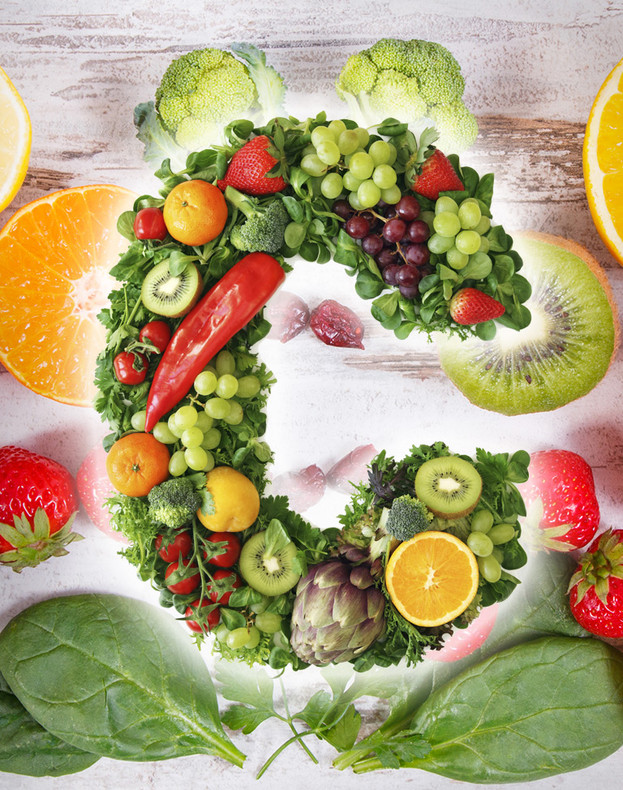
Vitamin C and Viral Illness: A History Worth Understanding
For decades, physicians practicing orthomolecular and integrative medicine have explored the use of high-dose vitamin C in severe viral illnesses—particularly in situations where conventional therapies offered limited benefit.
This work often involved much higher doses than those used in studies intended to evaluate vitamin C for everyday immune support. In some historical reports, clinicians administered very large intravenous (IV) doses, sometimes recording outcomes in medical journals. Despite this documentation, much of the work remained outside mainstream clinical practice and was largely dismissed by conventional medicine.
Renewed Scientific Interest During COVID-19
During the early stages of the COVID-19 pandemic, clinicians worldwide urgently sought supportive strategies to reduce complications associated with severe respiratory illness.
In China, physicians explored intravenous vitamin C as supportive care in hospitalized patients. In early 2020, the Shanghai Municipal Health Commission issued guidance allowing IV vitamin C as part of clinical management protocols, with dosing adjusted for body weight and illness severity.
Importantly, this was not presented as a cure, but as supportive therapy within a broader medical framework.
Clinical Observations from Frontline Physicians
According to reports summarized by Andrew Saul, editor of the Orthomolecular Medicine News Service, Dr. Enqiang Mao, chief of emergency medicine at Ruijin Hospital in Shanghai, described the use of IV vitamin C in approximately 50 hospitalized patients with moderate to severe COVID-19.
In these reports:
-
Vitamin C was administered intravenously over several days
-
Patients showed clinical improvement
-
No serious adverse effects were reported
These observations helped spark global interest in vitamin C’s supportive role in critical illness.
Parallel Use in the United States
During the same period, some U.S. clinicians also explored IV vitamin C as adjunctive support. A New York City pulmonologist told the New York Post that vitamin C was being administered intravenously to ICU patients in divided doses, alongside other standard medical interventions.
While dosing and protocols varied, these efforts reflected a growing recognition of vitamin C’s biological importance in immune and respiratory function.
Why Vitamin C Matters to the Immune System
Vitamin C is not optional for immune health.
-
Immune cells require vitamin C to function effectively
-
Infections rapidly deplete vitamin C stores
-
Stress, inflammation, and oxidative burden dramatically increase requirements
This explains why vitamin C needs may rise substantially during illness—even when daily intake appears adequate under normal conditions.
Oral Vitamin C and “Bowel Tolerance”
When taken orally, vitamin C absorption is limited by the digestive tract. As intake increases, the body signals excess through:
-
Intestinal rumbling
-
Gas
-
Loose stools or diarrhea
This point is known as bowel tolerance, and it varies widely between individuals depending on health status, stress, and infection burden.
Understanding bowel tolerance allows individuals to personalize intake without exceeding what the body can use.
Quality Matters at Higher Intakes
When vitamin C intake increases, purity becomes critical.
Low-quality or contaminated forms may cause unnecessary digestive distress or oxidative stress. For this reason, Beyond Health emphasizes:
-
Buffered vitamin C to reduce acidity
-
High purity, pharmaceutical-grade raw materials
-
Powdered or tablet forms that allow flexible dosing
Beyond Health’s Buffered Vitamin C Formula is designed for individuals who require higher or more frequent dosing while minimizing gastrointestinal irritation.
A Shift in Perspective
While IV vitamin C remains a medical decision requiring physician oversight, the renewed interest during COVID-19 represents a broader shift:
? Recognition that nutritional status matters profoundly in critical illness
? Acknowledgment that immune support is not limited to pharmaceuticals
? Greater openness to adjunctive, biology-based interventions
Vitamin C is not a drug. It is a biological necessity—one the body cannot manufacture and rapidly exhausts under stress.
Key Takeaway
You don’t need to be critically ill to support your immune system intelligently.
Maintaining adequate daily vitamin C intake, increasing it during periods of stress or illness, and choosing high-quality formulations are practical steps within everyone’s control.
History, biology, and emerging clinical experience all point in the same direction:
When the body has what it needs, it performs better.
References
Saul AW. Nutritional treatment of coronavirus. Orthomolecular Medicine News Service. January 30, 2020.
Saul AW. Shanghai government officially recommends vitamin C for COVID-19. Orthomolecular Medicine News Service. March 3, 2020.
Mongelli L. New York hospitals treating coronavirus patients with vitamin C. New York Post. March 24, 2020.