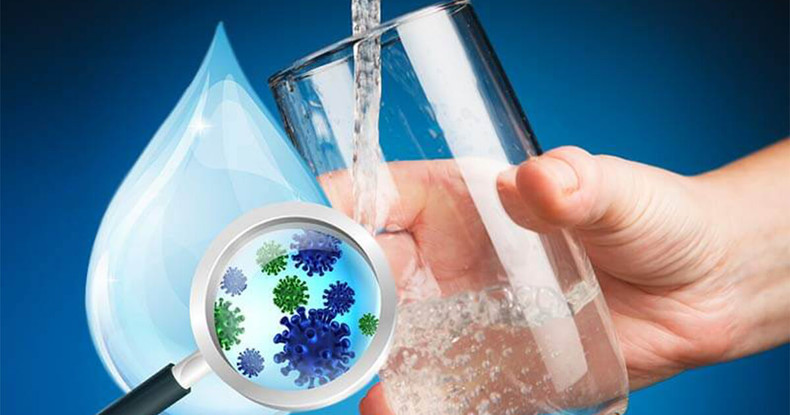
Why Clean Water Matters for Immune Health
A strong immune system depends on many factors — nutrient sufficiency, hydration, and a low toxic burden. While most people focus on supplements and diet, one of the most overlooked foundations of immune health is the quality of the water you drink every day.
Hydration supports circulation, detoxification, and cellular communication. But when water is contaminated, it can quietly undermine immune resilience rather than support it.
The Hidden Problem With Tap Water
Many people assume their tap water is safe because it meets government standards. Local water departments publish annual reports showing low levels of certain contaminants, which can be reassuring.
However, these reports only tell part of the story.
The U.S. Environmental Protection Agency (EPA) has established safety standards for just a small fraction of the thousands of chemical compounds that have been detected in public water supplies. Many contaminants simply aren’t monitored or regulated at all.
What Can End Up in Public Water?
Despite the best efforts of local water authorities, modern water systems are not equipped to handle the full chemical load introduced into the environment. Common sources of contamination include:
-
Pesticides and herbicides
-
Fertilizers and agricultural runoff
-
Industrial waste and chemical spills
-
Toxic heavy metals
-
Petrochemicals and organic solvents
-
Pharmaceutical drug residues
-
Sewage treatment byproducts
These compounds can enter waterways through runoff, landfills, atmospheric deposition, and aging infrastructure.
Disinfection Comes With Tradeoffs
To control microbial growth, municipalities commonly add chlorine or chloramines to drinking water. While effective for killing pathogens, these compounds are pro-oxidants, meaning they can contribute to oxidative stress in the body.
Oxidative stress is widely recognized as a factor in aging and chronic disease processes. Excess exposure has also been associated in the scientific literature with immune disruption and other health concerns.
Fluoride: An Ongoing Debate
Water fluoridation was introduced in the United States in the mid-20th century to reduce tooth decay and is still practiced in over 70% of public water systems.
However, both its effectiveness and safety have been increasingly questioned. In 2015, a comprehensive Cochrane Review concluded that there was insufficient high-quality evidence to confirm that water fluoridation significantly prevents cavities in modern populations.
At the same time, research has raised concerns about fluoride’s potential effects on:
-
Immune function
-
Thyroid health
-
Neurological development
-
Cognitive performance in children
An additional concern is that much of the fluoride used in public water does not come from pharmaceutical sources, but from industrial byproducts, which may contain trace contaminants.
Why Filtration Matters
Because avoiding tap water entirely isn’t realistic for most households, effective filtration becomes essential.
According to Beyond Health’s standards, only two filtration methods reliably remove the full spectrum of contaminants:
-
Distillation
-
Reverse Osmosis (RO)
Reverse osmosis systems are preferred for daily use due to efficiency, taste, and practicality. Raymond Francis has evaluated available options and identified what he considers the most effective RO systems for home use.
Don’t Forget Minerals
One important consideration: RO systems remove beneficial minerals along with contaminants.
For this reason, Beyond Health recommends pairing purified water with a high-quality multivitamin-mineral supplement to ensure continued mineral sufficiency and cellular balance.
A Long-Term Investment in Health
While a home filtration system requires an upfront investment, the ongoing cost is minimal — often just pennies per gallon. In return, you gain consistent access to clean, great-tasting water that supports hydration, detoxification, and immune resilience.
When it comes to foundational health choices, few investments offer a greater return.
References
Mann CC. Is there a good case for water fluoridation? The Atlantic, April 2020.
Ejiofor ZI. Water fluoridation for the prevention of dental caries. Cochrane Database of Systematic Reviews, June 18, 2015.
Hirzy JW, Caton RJ. Comparison of hydrofluorosilicic acid and pharmaceutical sodium fluoride as fluoridating agents. Environmental Science & Policy, 2013.